
Last updated October 31, 2026
 Home additions & ADU
 Kitchen remodeling
 Bathroom remodeling
 Roofing
 Windows & doors
 Driveway & pavers
 Fence
Free written scope consultation - allowances, timeline, and change-order rules on paper before a single trade is scheduled
Seasonal Construction Care for San Mateo: Year-Round Homeowner’s Guide
In San Mateo, the rainy season doesn’t create problems, it reveals them. Every roof leak, every failed caulk joint, every improperly flashed window was already failing in August; November just made it visible. What surprises most homeowners here is that our supposedly mild climate is actually harder on houses than places with dramatic winters, because damage accumulates silently. Fog moisture sits against siding for months without ever drying out. UV exposure degrades sealants that look fine from the ground. And because San Mateo never gets a hard freeze, there’s no annual cycle of obvious expansion and contraction to remind you that materials are aging. This guide walks through what actually needs attention each season in San Mateo, which materials hold up in our coastal microclimate, and when a problem genuinely requires professional help. For a deeper dive, see our The Complete Guide to Construction in San Mateo.
Quick Answer
The most important seasonal construction care for San Mateo homes is a pre-rain exterior check in September or early October: clean and inspect gutters, reseal roof penetrations, re-caulk window perimeters, and clear crawl space vents. For more on finding qualified help, read Choosing the Right Construction Brand: A Buyer’s Guide for San Mateo. Summer fog moisture, not rain, is the year’s biggest hidden threat to paint, siding, and attic ventilation. Homes within a mile of the bay need different material choices than homes in the hills, especially for windows, roofing underlayment, and exterior trim.
Styles & brands we work with
Table of Contents
- Winter: The Reveal Season (December – February)
- Spring: Repair and Prepare (March – May)
- Summer: Fog, UV, and the Slow Bake (June – August)
- Fall: The Pre-Rain Sequence (September – November)
- El Niño and La Niña Years: How the Pattern Changes Your Priorities
- Coastal Microclimates: Why Location Changes Material Performance
- Attic Ventilation and the Summer Fog Problem
- Exterior Systems Worth Upgrading Before They Fail
Winter: The Reveal Season (December – February)
San Mateo receives the bulk of its roughly 20 to 25 inches of annual rainfall between December and February, and that’s when every latent defect in the building envelope announces itself. The first significant storm of the season is the diagnostic test you didn’t know you were running. If water is going to find a way in, it will be during a multi-day system where rain is driven horizontally by wind, not falling gently straight down.
What we’ve learned from years of walking through San Mateo homes after winter storms is that the failure points are remarkably consistent. Here’s the winter checklist we walk through with homeowners:
- Inspect ceilings and upper wall corners after the first heavy rain. Roof leaks rarely appear directly above where the water enters. Water travels along rafters and sheathing before finding a seam in the drywall. Stains near the exterior wall at the ceiling line often trace back to a flashing issue at the roof edge, not a hole in the roof itself.
- Check window sills and the drywall below windows for dampness. Failed perimeter caulk lets water run behind the stucco or siding, and it pools at the window’s bottom corners. By the time you see paint blistering, the leak has been active for weeks.
- Walk the crawl space after a storm. Look for standing water, damp insulation, or moisture on foundation walls. In San Mateo’s older homes, crawl space flooding is common, and it’s often a grading or drainage issue rather than a foundation problem.
- Listen for dripping inside wall cavities. Winter is quiet enough at night that you can sometimes hear water moving where it shouldn’t be. If you hear it, don’t wait to investigate.
For older San Mateo homes, winter is also when you’ll notice whether original single-pane windows are condensing badly. Condensation isn’t just cosmetic. Persistent moisture on window frames eventually rots wood sashes and encourages mold in the surrounding drywall. If you’re seeing condensation every winter morning, replacement windows with better thermal breaks, like the PGT or Therma-Tru lines we work with, are the permanent fix.
One more thing about winter: this is not the season to start major exterior work. Painting, stucco repair, roofing, and exterior caulking all need dry conditions to cure properly. Winter is for diagnosis. The repair window opens in spring.
Spring: Repair and Prepare (March – May)
Spring in San Mateo is the season when the weather finally cooperates with exterior work. Rain tapers off, temperatures stay moderate, and you’ve got roughly three to four months of reliable working conditions before the next wet season. This is when the winter damage list becomes a spring project list.
The sequence matters more than most homeowners realize. You don’t repaint before you fix the underlying leak, and you don’t replace windows before you’ve addressed any water intrusion in the surrounding framing. Here’s the order we follow on exterior repair projects:
- Roof and flashing first. Anything that sheds water has to be sound before anything else matters. A re-roof with GAF, CertainTeed, or Owens Corning materials is a spring project precisely because it needs consecutive dry days for proper installation.
- Structural repairs next. Rotted fascia, damaged siding, failed window framing. Cut out the rot, replace with properly primed material, and move on.
- Caulking and sealing. Every penetration, every window perimeter, every horizontal seam gets fresh sealant. This is relatively inexpensive and it’s what keeps the next winter from doing more damage.
- Paint last. Exterior paint is the final protective layer, not the first. Painting over failed caulk or compromised siding just hides the problem for another year.
Spring is also the right time for crawl space work. The ground has dried out enough that you can address drainage, vapor barriers, and insulation without fighting standing water. If you noticed moisture in the crawl space during the winter, schedule the fix now. In San Mateo’s older neighborhoods, like the area around Central Park, we regularly see crawl spaces that have never had a proper vapor barrier, and the result is years of silent moisture rising into floor framing.
For homeowners contemplating a larger home remodeling in San Mateo, spring is when planning should start. The lead time on windows, cabinetry, and specialty fixtures means that a project scoped in April can be underway by late summer.
Summer: Fog, UV, and the Slow Bake (June – August)
Summer in San Mateo looks benign on paper. Temperatures rarely crack 80 degrees. The marine layer rolls in most mornings and burns off by early afternoon. But that fog is doing more work against your house than most homeowners realize, and the damage is cumulative.
The fog problem works like this: overnight, moisture condenses on every exposed surface. North-facing walls and shaded areas may never fully dry out between fog events, especially if the home is within a mile of the bay. That persistent moisture becomes a slow-drip source of rot on wood siding, trim, and window sashes. Paint that would last ten years in Sacramento might fail in six on a fog-exposed San Mateo wall.
Summer is also the UV season, and the sun’s effect on exterior sealants is dramatic. Caulk around windows and doors dries out, shrinks, and pulls away from the surface. The joints look fine from ten feet away, but up close you’ll see hairline gaps that let water in during the first fall storm. This is why the pre-rain caulk check is so critical.
For homes with composition shingle roofs, summer heat and UV degrade the asphalt granules that protect the shingle from further breakdown. If you look closely at a valley or roof edge and see mostly gray where granules have washed away, the shingles are in the second half of their service life. A roof that’s granule-bare is one storm season away from leaking.
The smart summer move is an exterior inspection, not necessarily a repair. Walk the property. Check every window perimeter with your fingers, not just your eyes. You’re feeling for gaps, for crumbling caulk, for paint that’s lifting. Make a list. If you’d rather have professional eyes on it, that’s a service any qualified general contractor in San Mateo should offer, and it’s far cheaper than the repairs you’ll face if you skip it.
Fall: The Pre-Rain Sequence (September – November)
In San Mateo, the first real rain usually arrives in late October or early November. That means September and early October are the last reliable window for exterior preparation. By the time the forecast shows a week of storms, every contractor in the county is booked solid. The homeowners who scheduled their pre-rain work in September are the ones whose houses stay dry.
Here’s the sequence a contractor walks through before the rains start:
- Gutters and downspouts. Clean them, check the pitch, verify that downspouts discharge at least three feet from the foundation. Clogged gutters don’t just overflow; they put water against the fascia and into the soffit, which rots both. In San Mateo, where lots of mature trees drop leaves all fall, gutters need checking more than once a season.
- Roof penetration seals. Every vent pipe, every chimney flashing, every skylight curb. The sealant around these penetrations fails long before the roofing itself, and they’re the source of a huge percentage of roof leaks. A tube of roof sealant costs under $20. A water-damaged ceiling costs thousands.
- Window and door perimeter caulking. Remove failed caulk, clean the joint, apply fresh sealant rated for exterior use. This is the single highest-value pre-rain task on most San Mateo homes.
- Crawl space venting. Make sure vents are open and clear. A damp crawl space needs airflow even in winter, and blocked vents just hold the moisture in.
- Irrigation shutdown. Drain or blow out irrigation lines before the rains arrive. Water left in sprinkler lines doesn’t freeze here, but it does create standing moisture that can back up into the system.
If you’re planning any larger exterior work, fall is the season to sign the contract, not start the job. Roofing and painting need dry weather. A re-roof with CertainTeed or Owens Corning shingles scheduled for late September has a decent chance of finishing before the rains. A re-roof scheduled for November will likely get interrupted, and an interrupted roofing job is a liability you don’t want.
El Niño and La Niña Years: How the Pattern Changes Your Priorities
San Mateo’s rainfall varies dramatically depending on whether the Pacific is in an El Niño or La Niña pattern. El Niño winters tend to bring more frequent and more intense storms to Northern California, while La Niña years often mean drier conditions. The difference matters for home maintenance because it changes which systems are most likely to fail.
In a predicted El Niño year, which forecasts typically call by late summer or early fall, the pre-rain sequence becomes urgent. Multiple atmospheric river events in a single season stress roofs, gutters, and drainage in ways that a normal winter doesn’t. Water pools on flat sections. Gutters overflow at the corners. Crawl spaces flood because the surrounding soil is saturated and water has nowhere to go. If the long-range forecast calls for El Niño, move your roof inspection and gutter maintenance up by a month, and consider adding a drainage review to the list. The difference between a home that handles an El Niño winter and one that doesn’t is often just a few hours of preventive work in September.
La Niña years bring the opposite problem: extended dry stretches that let soil shrink and shift. In San Mateo’s hillside neighborhoods, dry soil movement can cause small foundation shifts that show up as sticking doors, drywall cracks, or gaps at window corners. These are usually cosmetic, but they’re worth noting because they’ll change when the rains return.
The smart approach is to check the seasonal outlook each August. If it’s an El Niño forecast, prioritize drainage and roof work. If it’s La Niña, watch for dry-soil movement and keep an eye on irrigation coverage so trees and ornamental landscaping don’t stress the foundation by pulling moisture from the soil.
Coastal Microclimates: Why Location Changes Material Performance
San Mateo spans multiple microclimates, and the material choices that work in one part of the city don’t always hold up in another. A home in the hills east of 101 deals with more sun and less fog. A home in the flats near the bay, like neighborhoods around Shoreview or Parkside, gets heavy morning fog and salt-tinged air. The difference is significant enough that it should drive material decisions.
Windows are the clearest example. Vinyl frames perform fine in a dry, inland climate, but near the bay, the constant moisture cycle combined with salt exposure degrades vinyl seals faster, and the frames themselves can warp. Fiberglass and aluminum-clad wood windows, like the PGT and Therma-Tru lines, hold up significantly better in fog-exposed locations. The same goes for exterior door hardware: cheap steel hardware rusts within a few years near the bay, while quality stainless or powder-coated hardware lasts decades.
Roofing underlayment matters more than shingles in coastal microclimates. The shingle sheds water, but the underlayment is what protects the decking from wind-driven moisture and condensation. Homes near the bay need a high-quality synthetic underlayment installed properly. It’s a small incremental cost on a re-roof and it’s the difference between a roof that lasts twenty-five years and one that shows decking rot at fifteen.
Siding is another coastal variable. James Hardie fiber cement siding outperforms wood in fog and salt conditions because it doesn’t absorb moisture the way cedar or redwood does. That’s not a knock on wood; it’s just that wood siding near the bay needs more aggressive maintenance, more frequent painting, and more attentive caulking. If you’re replacing siding on a fog-exposed home, fiber cement is the practical choice.
Attic Ventilation and the Summer Fog Problem
Attic ventilation is one of the most overlooked systems in San Mateo homes, and the summer fog makes it worse. Here’s the issue: during a typical summer, warm air rises into the attic and needs to escape. If the attic is under-ventilated, that warm air sits against the underside of the roof sheathing, accelerates shingle aging from below, and pushes heat down into the living space.
The fog complicates this. When the marine layer sits over the house for hours each night, the outside air is saturated with moisture. A properly vented attic is drawing that moisture-laden air in, and it condenses on any cool surface: the underside of sheathing, exposed nails, ductwork. Over time, that’s how you get mold on the sheathing, rust on the nails, and insulation that’s lost its loft and its R-value.
The fix isn’t to seal the attic; it’s to control the moisture. A vapor barrier on the attic floor helps, but the real solution is balanced ventilation: enough intake at the eaves and enough exhaust at or near the ridge to keep air moving continuously. If you can see mold or moisture stains on the roof sheathing when you peek into the attic, or if the insulation looks flattened and compressed, you have a ventilation problem. This is a fixable issue, and it’s not wildly expensive relative to the damage it prevents.
We see this condition constantly in San Mateo homes built before modern ventilation codes, and it’s one of the first things we look at when evaluating an attic for a home renovation in San Mateo that includes insulation or roofing work.
Exterior Systems Worth Upgrading Before They Fail
Some exterior systems give you warning signs; others just fail. Knowing which is which helps you plan upgrades on your schedule instead of during an emergency.
Roofing. Roofs are predictable if you inspect them. Granule loss, curling shingle edges, and visible wear at valleys are warning signs that show up years before active leaking starts. GAF and Owens Corning both make architectural shingles that hold up well in coastal conditions, and a re-roof is one of the highest-value exterior investments you can make.
Windows and doors. Windows usually warn you: condensation, drafts, sticking operation, visible daylight around the edges. PGT and Therma-Tru replacement windows and doors solve all of those problems permanently, and they pay for themselves in comfort and energy savings over a decade or so.
Siding. James Hardie fiber cement is the standard for coastal California, and for good reason. It doesn’t rot, it doesn’t warp, it takes paint well, and it looks appropriate on San Mateo’s architectural mix. If your wood siding is showing soft spots, peeling paint that won’t stay down, or visible rot at the bottom edges, start planning for replacement.
Fencing. Fencing is the quiet failure point. Wood fences rot at the post bases, especially in fog-exposed areas where the bottom of the post never dries out. Metal and composite fencing options from brands like Master Halco and Ameristar eliminate the rot problem entirely, and Barrette makes solid composite privacy panels that hold up well. If you’re replacing a fence that’s failed after ten or fifteen years, it’s worth considering materials that won’t need replacing again in another decade.
The pattern here is simple: materials matter, and the right material for San Mateo’s coastal climate isn’t always the cheapest option. It’s the one that doesn’t fail prematurely.
Common Mistakes to Avoid
- Ignoring a small leak because it’s “not that bad.” Water intrusion compounds. What starts as a ceiling stain becomes drywall replacement, then framing repair, then mold remediation. The small leak is the cheap fix.
- Painting over failed caulk or damaged siding. Paint is a protectant, not a structural repair. If the surface beneath the paint is compromised, the paint will fail too.
- Cleaning gutters only once a year. In San Mateo’s mature-tree neighborhoods, gutters can clog in a single storm. Check them monthly during fall, or install gutter guards.
- Assuming a new roof fixes all roof leaks. A re-roof doesn’t address failed flashing at chimneys, skylights, or wall intersections unless those areas are specifically included. Confirm flashing work is in the scope before signing.
- Waiting until the first rain to schedule exterior work. Contractors are booked solid by October. The right time to schedule pre-rain work is August or early September.
- Neglecting crawl space ventilation because “it’s just a crawl space.” Moisture in the crawl space doesn’t stay in the crawl space. It rises into floor framing and living spaces, and it invites mold.
- Choosing materials for a different climate. What works in San Jose or Sacramento doesn’t necessarily hold up in San Mateo’s fog belt. Choose materials for the microclimate you actually live in.
See the difference
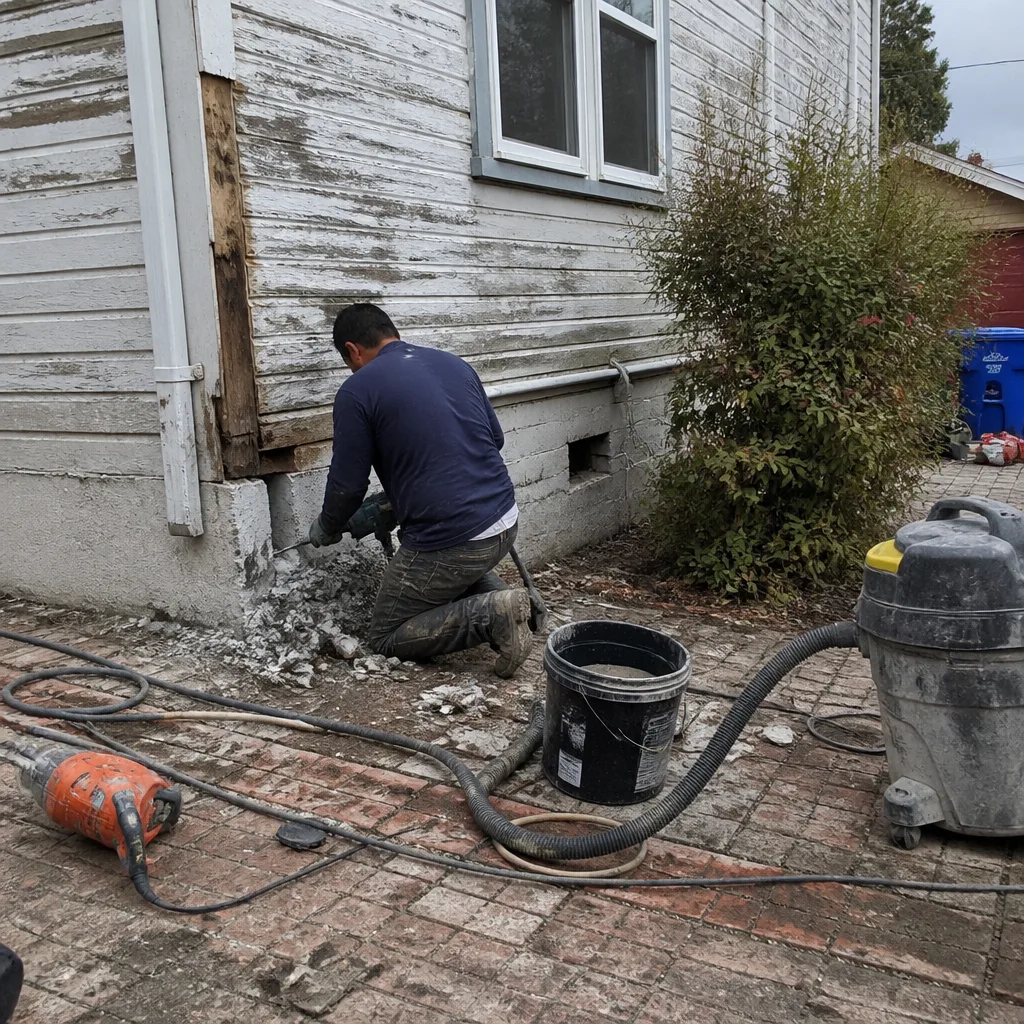 Before
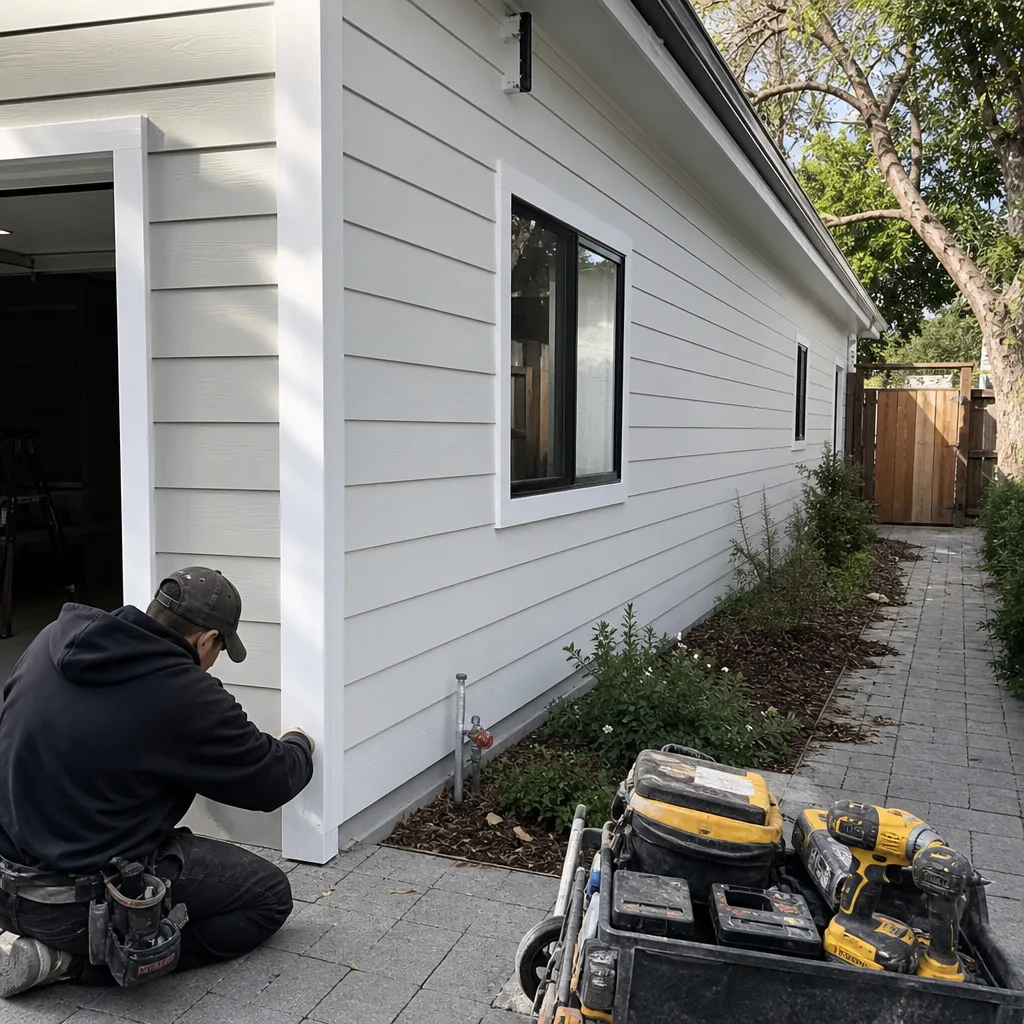 After
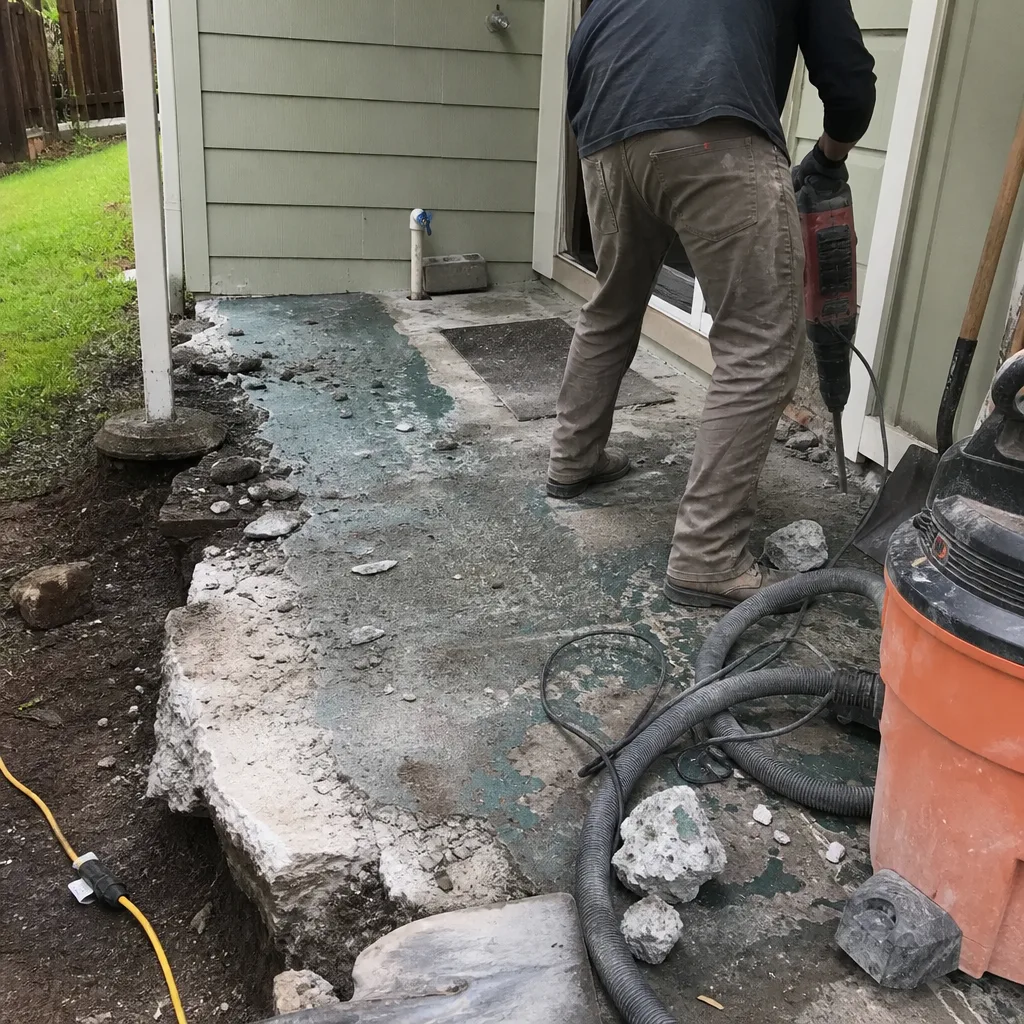 Before
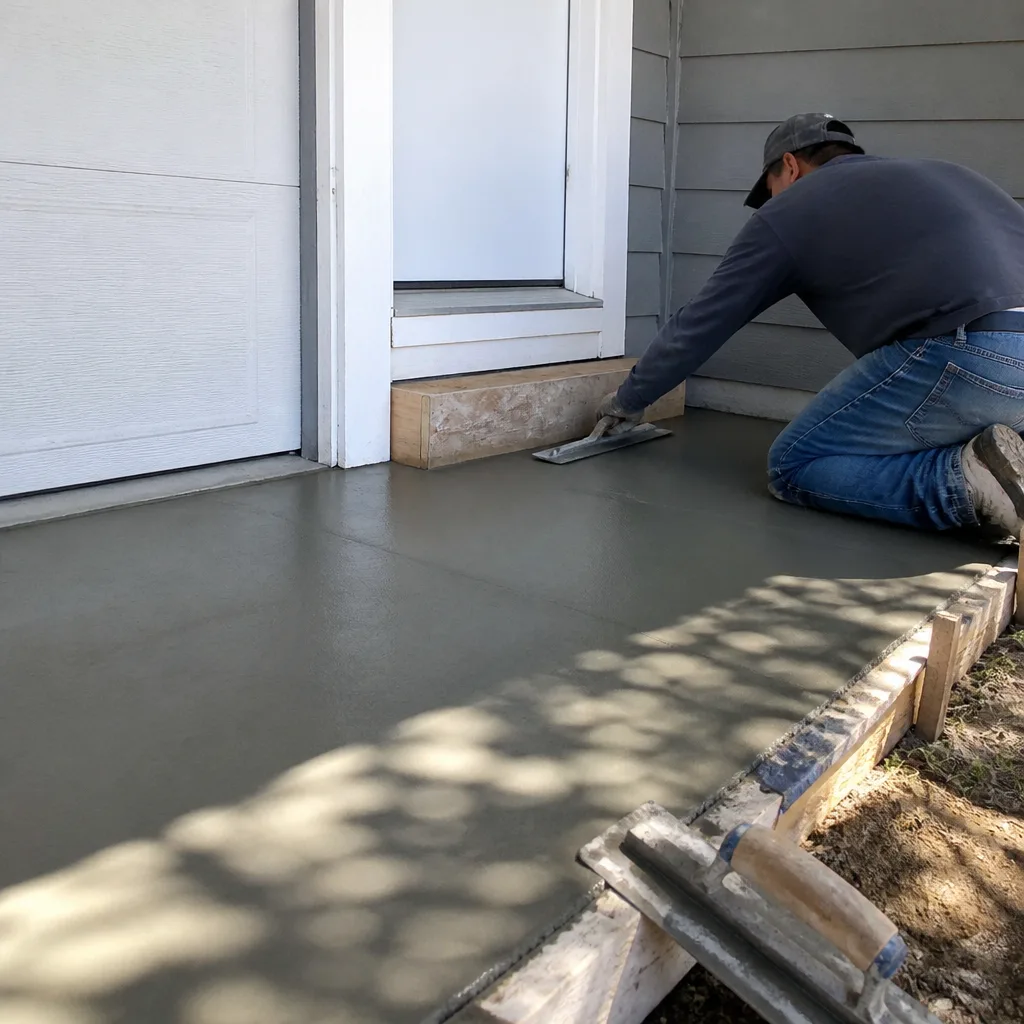 After
 Before
 After
When to Call a Professional
Some seasonal maintenance is DIY-friendly: gutter cleaning, visual inspections, checking caulk joints. Other things need professional equipment and judgment. Roof inspections on anything steeper than a gentle slope are safer left to someone with proper fall protection. Attic mold, especially anything beyond surface discoloration, needs professional remediation. Any signs of water intrusion that you can’t trace to an obvious source are worth a professional diagnosis before the damage spreads. And exterior work that requires ladders, specialized tools, or working at heights is never a good DIY project. San Mateo Construction offers free estimates in San Mateo, and we’re happy to walk your property and tell you what needs attention and what can wait. You can also explore more guides & resources on our blog. Call (855) 901-7266 to schedule yours.
Frequently Asked Questions
Seasonal maintenance costs vary widely depending on scope. A gutter cleaning runs $150 to $300. A full exterior caulk and seal job on a typical single-story San Mateo home runs $800 to $2,000 depending on linear footage. A roof inspection is often free or under $200. Annual maintenance is far cheaper than deferred repairs. Call (855) 901-7266 for an exact quote, estimates are free.
Schedule roof inspections and any necessary repairs for August through early October, before the rainy season starts. Roofing work needs consecutive dry days, and the long dry stretch of late summer and early fall is the most reliable working window.
Yes, persistent fog and marine layer moisture accelerates rot on wood siding and trim, degrades exterior paint faster, and contributes to attic mold when ventilation is poor. Homes within a mile of the bay are most affected.
They matter a lot. Vinyl frames break down faster in fog and salt conditions, while aluminum-clad wood and fiberglass frames like PGT and Therma-Tru hold up far better. If you’re replacing windows on a bay-side home, choose materials rated for coastal exposure.
Inspect caulk every fall before the rains, and plan to re-caulk every five to seven years in fog-exposed locations. Hairline gaps are enough to let water in during wind-driven rain. Call (855) 901-7266 if you’d like professional eyes on your window perimeters.
Failed sealant at penetrations: vent pipes, chimneys, skylights, and roof edges. The shingles themselves are rarely the first failure point. Sealant degrades from UV exposure and temperature cycling, and it’s the thing to check before every rainy season.
The Bottom Line
San Mateo’s climate is easy on people and hard on houses. The damage here is slow and quiet: fog moisture sitting against siding, UV degrading sealants, rain exposing defects that have been building all summer. The practical takeaway is simple. Check your roof and gutters before the rains. Re-caulk windows every few years. Watch for moisture in the attic and crawl space. Choose materials for the microclimate you actually live in. And if you’re not sure what your house needs, get professional eyes on it before the season forces the issue. The homes that stay dry through a San Mateo winter are the ones that got their pre-rain work done in September.
Ready to get your home ready for the next season? San Mateo Construction home is your single point of contact for everything from exterior repair to full home remodeling, and we’ve helped homeowners across San Mateo stay ahead of the weather for years. Call (855) 901-7266 to schedule a free estimate. Whether it’s a re-roof before the rains, a window replacement, or a full exterior upgrade, we’ll walk your property and give you an honest assessment, no pressure, no obligation.
Written by the team at San Mateo Construction, serving San Mateo since 2018.