
Last updated October 31, 2026
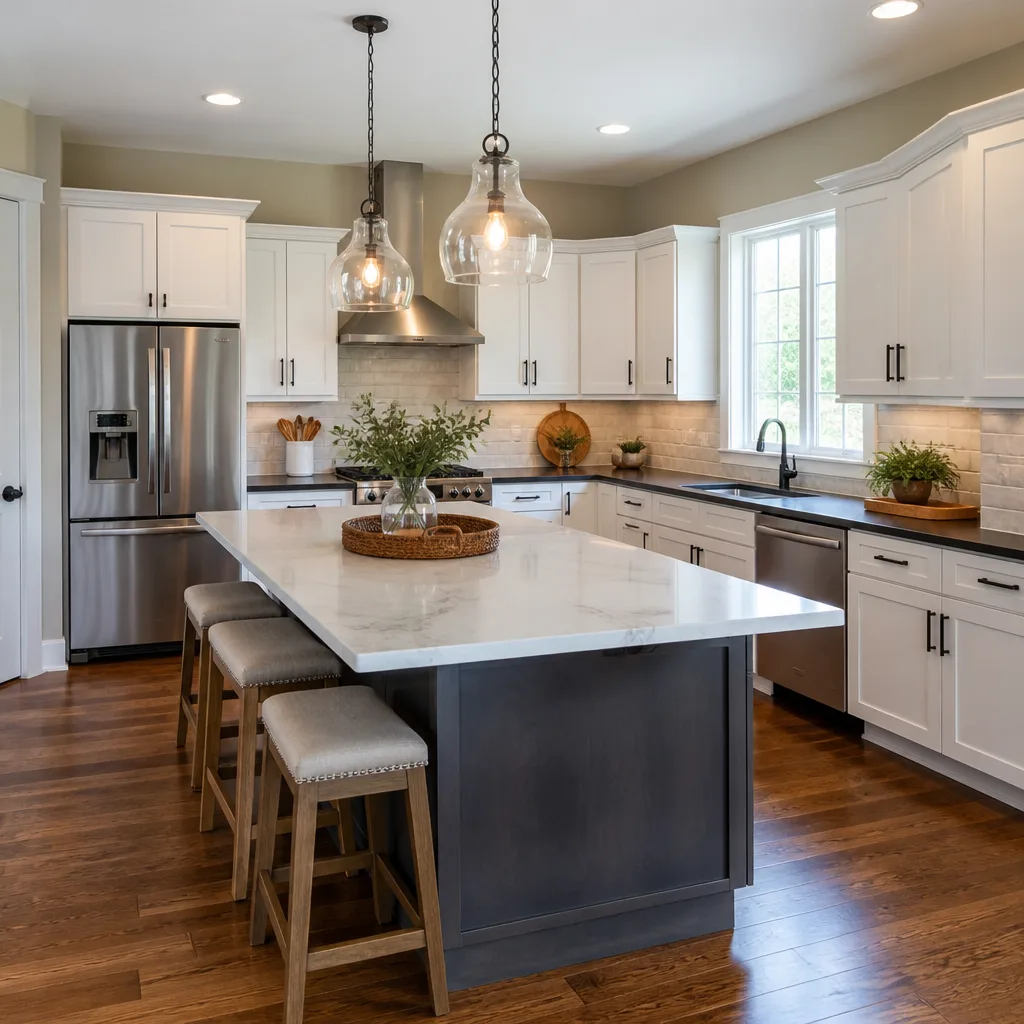 Kitchen remodeling
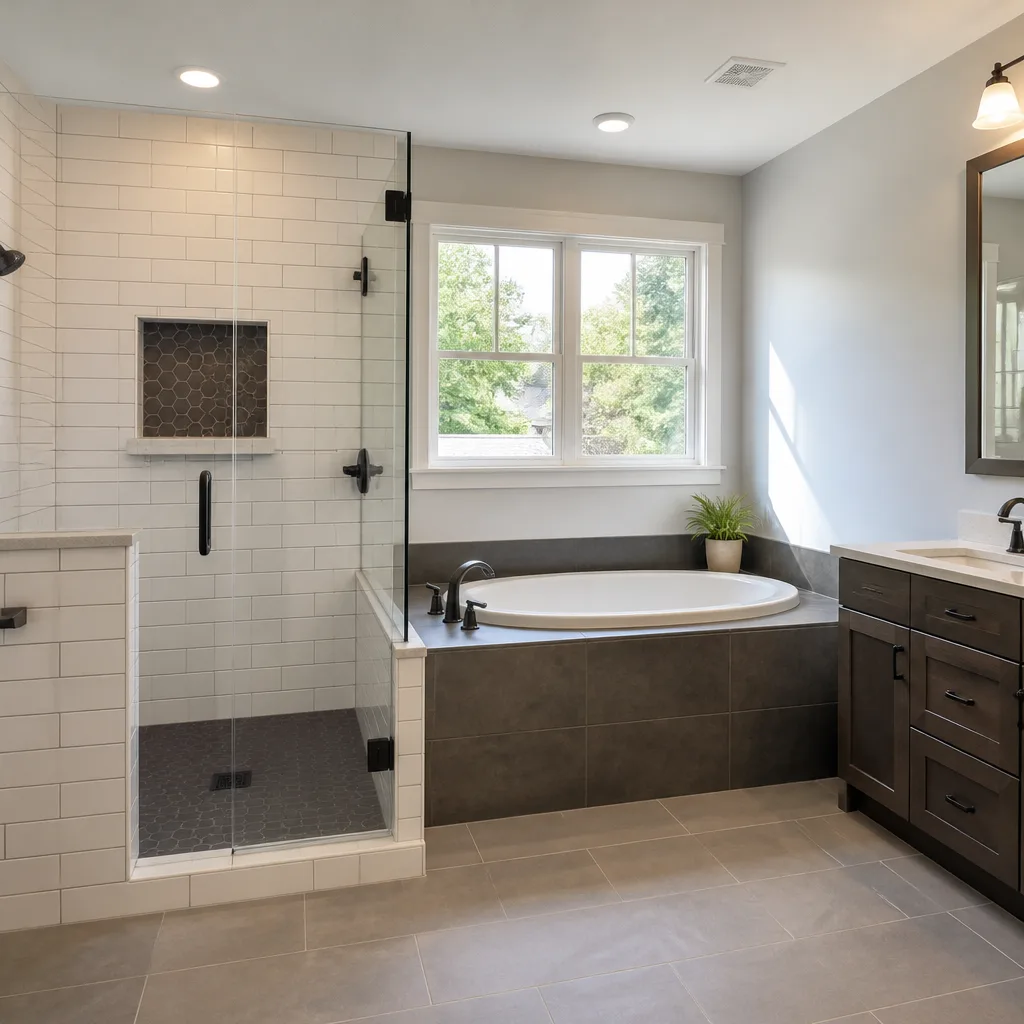 Bathroom remodeling
 Home additions & ADU
 Roofing
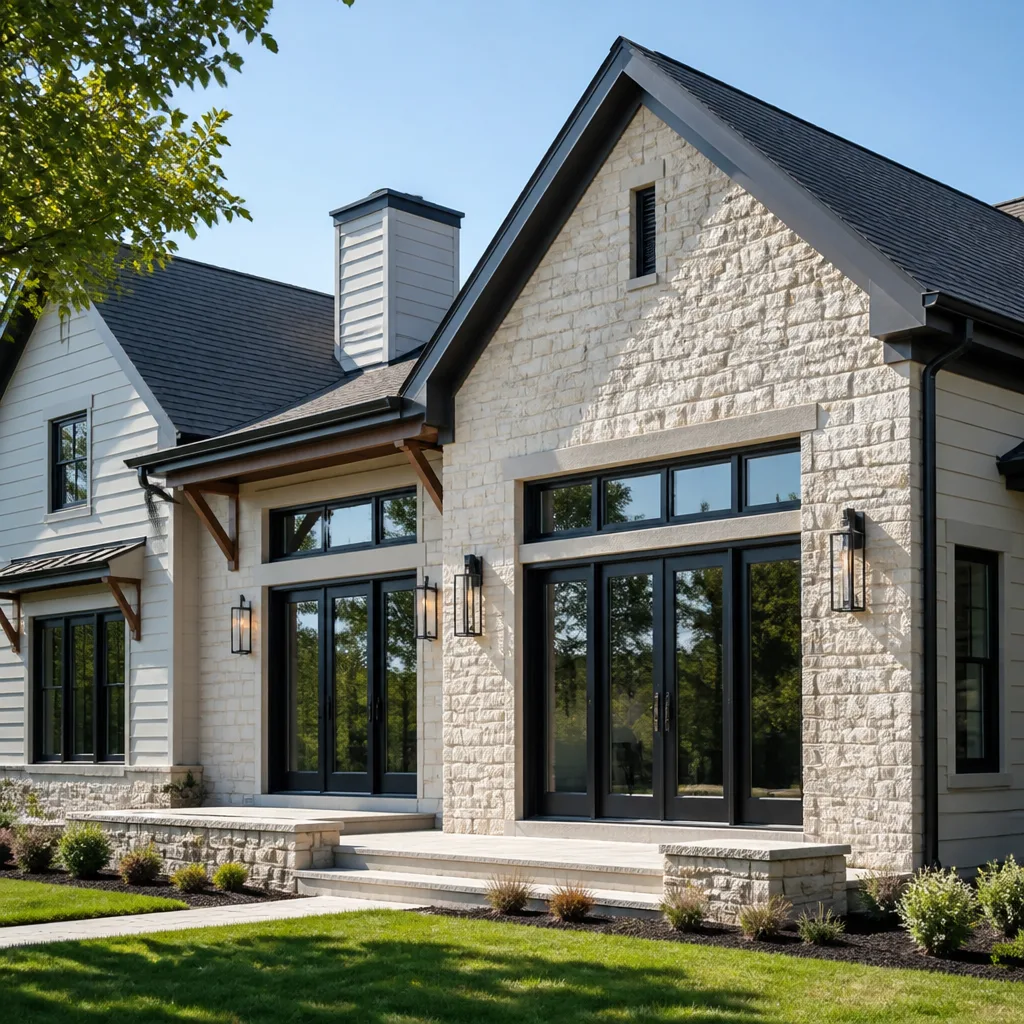 Windows & doors
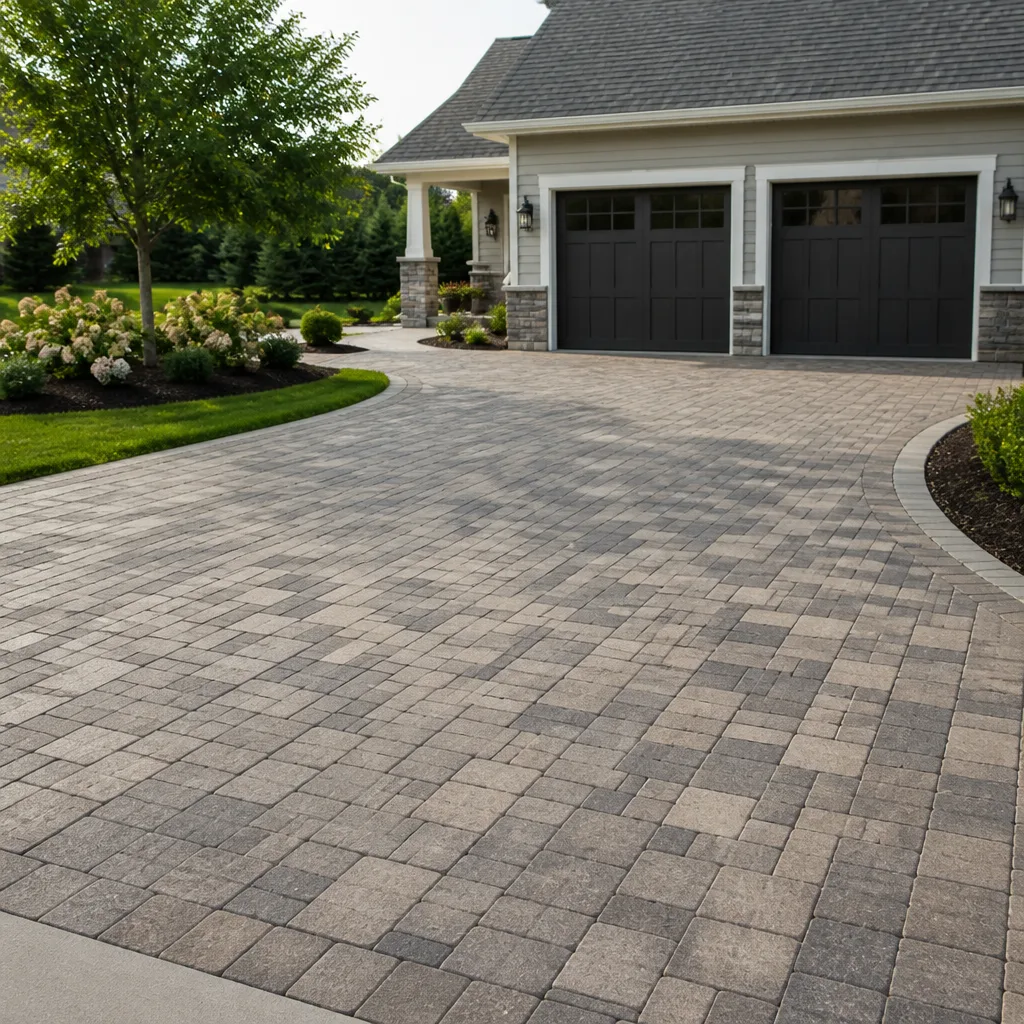 Driveway & pavers
 Fence
Free written scope consultation - allowances, timeline, and change-order rules on paper before a single trade is scheduled
Choosing the Right Construction Brand: A Buyer’s Guide for San Mateo
Most homeowners spend weeks comparing window brands, roofing shingle lines, and cabinet manufacturers before they ever ask the one question that actually determines whether their investment will hold up: does my contractor have a real, documented relationship with the manufacturer? A premium brand warranty is only as good as the authorized installer relationship behind it, and most homeowners don’t discover the gap until they file a claim and find out their contractor was never a certified installer for that product. In San Mateo, where coastal air accelerates material failures and local building codes impose specific requirements, that gap costs real money. This guide explains how construction brands actually work, which distinctions matter for your project, and how to evaluate a contractor’s brand portfolio before you sign anything. For more detail on the full process, see The Complete Guide to Construction in San Mateo.
Styles & brands we work with
Quick Answer
The best construction brand for your San Mateo project depends less on the logo and more on three factors: whether the product line is engineered for coastal climates, whether your contractor holds manufacturer certification for that specific brand, and whether the brand tier matches where the material sits in your home. A contractor with genuine relationships across 50+ manufacturers can recommend honestly across tiers, while a shop tied to one or two brands has every incentive to steer you toward whatever earns them the highest margin.
Table of Contents
- How Manufacturer Warranties and Certification Programs Actually Work
- A Framework for Comparing Brands Across Home Systems
- San Mateo’s Coastal Climate and What It Means for Exterior Brands
- Why Installation Quality Matters More Than the Brand Tier
- How to Evaluate a Contractor’s Brand Portfolio as a Credibility Signal
- Material Tiers: Premium vs. Value Brands Within the Same Category
- Single-Source Contracting: What Changes When One Contractor Manages Every System
- Common Mistakes to Avoid
- When to Call a Professional
- Frequently Asked Questions
- The Bottom Line
How Manufacturer Warranties and Certification Programs Actually Work
When a roofing manufacturer says their shingles carry a 50-year warranty, that warranty has fine print that most homeowners never read. The document almost always ties coverage to installation by a contractor who holds an active certification with that manufacturer. GAF, for example, runs the GAF Master Elite program, which requires contractors to meet training, insurance, and creditworthiness standards. CertainTeed has its SELECT ShingleMaster credential. Owens Corning has the Owens Corning Roofing Preferred Contractor program. If your roofer is not in one of these programs, the full warranty on the product gets downgraded to a basic limited warranty that covers far less.
That distinction matters in practice. Let’s say a GAF shingle fails five years into a 50-year warranty. A homeowner whose contractor was Master Elite certified can file through the contractor, who has direct access to GAF technical representatives and a documented escalation path. A homeowner whose contractor was not certified will often get a pro-rated payout that covers a fraction of the replacement cost, and the claim process moves slowly. In San Mateo, where we see storm-driven wind damage and salt-air corrosion along the coastal corridor, this difference can translate to thousands of dollars out of pocket.
The same structure applies to windows. PGT and Therma-Tru both run certification programs for installers. A certified installer’s workmanship warranty often gets extended by the manufacturer, and the manufacturer will send a representative out to inspect a failed unit without the homeowner having to fight for it. An uncertified installer’s work carries whatever warranty the contractor feels like honoring, which in the worst cases means none at all.
Cabinetry runs a little differently. KraftMaid and Wellborn both sell through authorized dealer networks, but the warranty claim path goes through the dealer, not an installer certification. What matters there is purchase volume and relationship. A contractor who buys cabinetry from the same supplier fifty times a year gets priority service on a mis-shipped door panel. A homeowner buying once does not.
The lesson here is straightforward: before you select a brand, ask your contractor what manufacturer certifications they hold and whether they can produce them in writing. A contractor who hesitates, hedges, or says certification doesn’t matter is telling you something important about how your warranty will actually function.
A Framework for Comparing Brands Across Home Systems
Ranking construction brands against each other is a trap. Cambria and Caesarstone both make quartz countertops, but they occupy different positions in the market, and the right one for your kitchen depends on your budget, your slab selection priorities, and how the countertop will be fabricated. The more useful framework is to evaluate each product category on three questions: where the material lives in the home, how much abuse it will take, and whether the premium tier buys meaningful performance gains or just marketing.
Roofing is the clearest example. GAF, CertainTeed, and Owens Corning all produce asphalt shingles at three performance tiers. The economy tier is a basic three-tab shingle. The mid tier is an architectural shingle with better wind ratings. The premium tier often adds impact resistance, longer warranties, and better algae resistance. In San Mateo’s coastal climate, the mid tier is usually the smart buy for most homes: the wind rating matters on exposed ridgelines, and the price gap between mid and premium often buys features like impact resistance that matter more in hail country than on the Peninsula. Premium shingles are not a waste for San Mateo homeowners with significant tree cover or complex roof geometry, but the decision should be based on your specific exposure, not on a default belief that more expensive is more durable. For a full breakdown of where your budget goes, see our Construction Cost Breakdown: The San Mateo Homeowner’s Reference for 2026.
Windows work differently. PGT’s value lines and Therma-Tru’s entry-level doors both meet energy code, but the premium tiers add real functional benefits: lower U-factors, better sound attenuation, stronger frames for larger openings, and coastal-rated hardware that resists corrosion. In San Mateo, where many homes sit within a few miles of the Bay, the hardware is where salt air does its damage. A builder-grade window with standard hardware will show visible corrosion on the locks and hinges within three to five years. A premium window with stainless or coated hardware will not. That is a performance gap, not a marketing gap.
Cabinetry is where the premium tier often buys aesthetics and durability simultaneously. KraftMaid’s plywood box construction and soft-close hardware hold up measurably better than particleboard builder-grade boxes over a 15-year life. Wellborn’s framed construction produces a sturdier feel. The price gap is real, and for a heavily used kitchen the durability difference pays for itself. For a guest bathroom vanity that gets used twice a month, a value tier from the same manufacturer makes more sense.
The framework, applied consistently, helps you avoid the two most common mistakes: overpaying for premium features that do not matter in your application, and underbuying on components where the performance gap is real and local conditions make it worse.
San Mateo’s Coastal Climate and What It Means for Exterior Brands
San Mateo sits in a marine climate band that runs from the Pacific through the Golden Gate and down the Peninsula. The practical effects are consistent: persistent morning fog, salt-laden air near the water, and afternoon winds that accelerate in the gaps between hills. Those three factors should drive your exterior product decisions more than any brand advertisement.
For roofing, salt air does not directly attack asphalt shingles the way it attacks metal, but it does attack the flashing, fasteners, and any exposed metal component of the roof assembly. High-salt-air warranty exclusions exist in some premium shingle warranties, and a contractor familiar with coastal installations will spec stainless or coated fasteners and heavy-gauge flashing that a standard inland roofer might skip. Owens Corning and CertainTeed both publish coastal application guidelines, and GAF’s Master Elite training includes specific coastal installation requirements. A contractor who has installed in San Mateo’s coastal neighborhoods knows that a roof on a house in Baywood or Aragon faces different conditions than one in Hillsdale closer to the bay.
Windows get hit hardest. PGT’s coastal product lines include stainless steel hardware and composite frames engineered for salt air. Standard aluminum windows from any manufacturer will pit and corrode within a few years of exposure to San Mateo’s marine layer. If your home sits west of El Camino Real and within sight of the water, this is not an upgrade discussion; it is a requirement for avoiding premature failure.
Siding is similarly exposed. James Hardie fiber cement does not rot and is not eaten by termites, which makes it a strong default for San Mateo homes in the fog belt. Wood siding, by contrast, requires consistent maintenance in this climate, and wood siding that goes unpainted or unsealed for even one wet season will show damage quickly. Hardie’s product line includes specific installation requirements for coastal zones, including joint flashing details that a certified installer should know.
The pattern across all exterior systems is the same: the brand matters less than whether the product line has a coastal-rated variant and whether the installer knows how to apply it. In our experience working in San Mateo, we regularly see premature exterior failures that trace back to inland installation practices applied to a marine environment, not to a defective product.
Why Installation Quality Matters More Than the Brand Tier
Every product category has an installation error rate that dwarfs the defect rate on the product itself. Roofing is the best documented: manufacturer studies consistently show that the vast majority of roofing failures are installation-related rather than material defects. A mid-tier architectural shingle installed correctly will outperform a premium shingle installed wrong. Nail placement, nail count, starter strip installation, valley flashing details, ventilation balance: these determine whether a roof reaches 20 years or gets torn off at 12.
Tile is similar. Schluter waterproofing systems, which San Mateo homeowners encounter in showers and wet areas, rely on precise membrane installation. A premium tile over a poorly installed substrate will crack and leak within a few years. A basic porcelain tile over a properly installed Schluter system will last decades. The brand on the tile box is almost irrelevant compared to what is under it.
Cabinetry installation error rates are lower but the cost of error is high. A cabinet line that costs 15% more than the alternative will not save you from a misleveled run of uppers or a countertop joint that opens within two years. The fabricator and installer drive that outcome, not the manufacturer.
What does this mean for brand selection? It means you should weight your contractor’s demonstrated familiarity with a product line as heavily as you weight the product line itself. A contractor who has installed 200 kitchens worth of KraftMaid cabinets knows the hardware adjustment quirks, the filler strip details, and the punch-list items that a contractor touching the line for the first time will learn on your job. In San Mateo, where remodel costs run high, paying a little more for a contractor who knows the product cold is cheaper than paying to fix installation errors later.
How to Evaluate a Contractor’s Brand Portfolio as a Credibility Signal
A contractor’s brand portfolio tells you more about how they operate than any review site ever will. The reason is structural: manufacturers do not extend dealer agreements, certification programs, or preferred pricing tiers to contractors who do not buy volume, pay on time, and install correctly. Every brand relationship is an ongoing vetting process. A contractor with active relationships across 20-plus manufacturers, including brands like GAF, CertainTeed, PGT, Therma-Tru, James Hardie, Cambria, Silestone, Kohler, Grohe, and Schluter, has passed dozens of independent credibility checks that a single-brand shop never took.
Here is how to evaluate that portfolio when you interview a contractor:
- Ask for the brand list in writing. A contractor who maintains real supplier relationships can produce a current list of the manufacturers they buy from, organized by category. If they cannot, the relationships are not deep.
- Ask which brands they buy most often and why. Volume purchasing skews toward the mid tiers of each category, because most projects fall in that range. A contractor who can explain why they default to CertainTeed for most roofs but spec Owens Corning in specific coastal exposures understands the products, not just the logos.
- Ask what they do not carry and why. Every contractor has brands they stopped buying. The answer tells you what happened: quality problems, warranty disputes, or supply chain issues. A contractor with no stopped-buying stories is either brand new or not telling the truth.
- Ask to see a recent invoice or delivery ticket. This verifies the buying relationship is current. Manufacturers rescind certifications for inactivity.
- Ask who handles warranty claims if a product fails. The wrong answer is the homeowner. The right answer is the contractor, with a written process.
At San Mateo Construction, we maintain relationships across more than 50 manufacturers in every major home system, which means we can recommend honestly across tiers without a financial stake in pushing one brand over another. You can find more guides & resources on our blog. That breadth is the point: if we only carried two cabinet lines, you would get one of those two lines whether it fit your budget or not. With the full portfolio, the conversation starts with your needs and works backward to the product.
Material Tiers: Premium vs. Value Brands Within the Same Category
One of the least understood aspects of construction branding is that most manufacturers operate multiple tiers under separate brand names, and those tiers often share engineering, tooling, or parent ownership. Homeowners who compare brands in isolation miss the structure. Kohler owns Sterling. CertainTeed is a Saint-Gobain company. Cambria and Silestone compete directly, but both offer entry, mid, and premium slab collections. Understanding the tier structure helps you avoid overpaying for marketing.
In plumbing fixtures, the tier gap is most visible. Grohe and Toto occupy the premium tier: tighter manufacturing tolerances, better ceramic valve mechanisms, longer replacement part availability. Delta and American Standard occupy the proven value tier: solid performance, fewer finish options, simpler internals. For a primary bathroom that gets used daily, the premium tier earns its price through durability and part support. For a powder room that gets used occasionally, a value fixture from Delta performs identically in practical terms. The smart specification selects by usage, not by blanket upgrade.
In countertops, Cambria’s premium positioning rests partly on its American manufacturing and its slab consistency, while Silestone and Caesarstone compete on value and breadth of color options. All three produce quartz slabs that perform similarly in daily use. The decision usually comes down to the specific color and pattern the homeowner wants, not a measurable quality gap. That is the honest answer, and a contractor with access to all three can say it out loud.
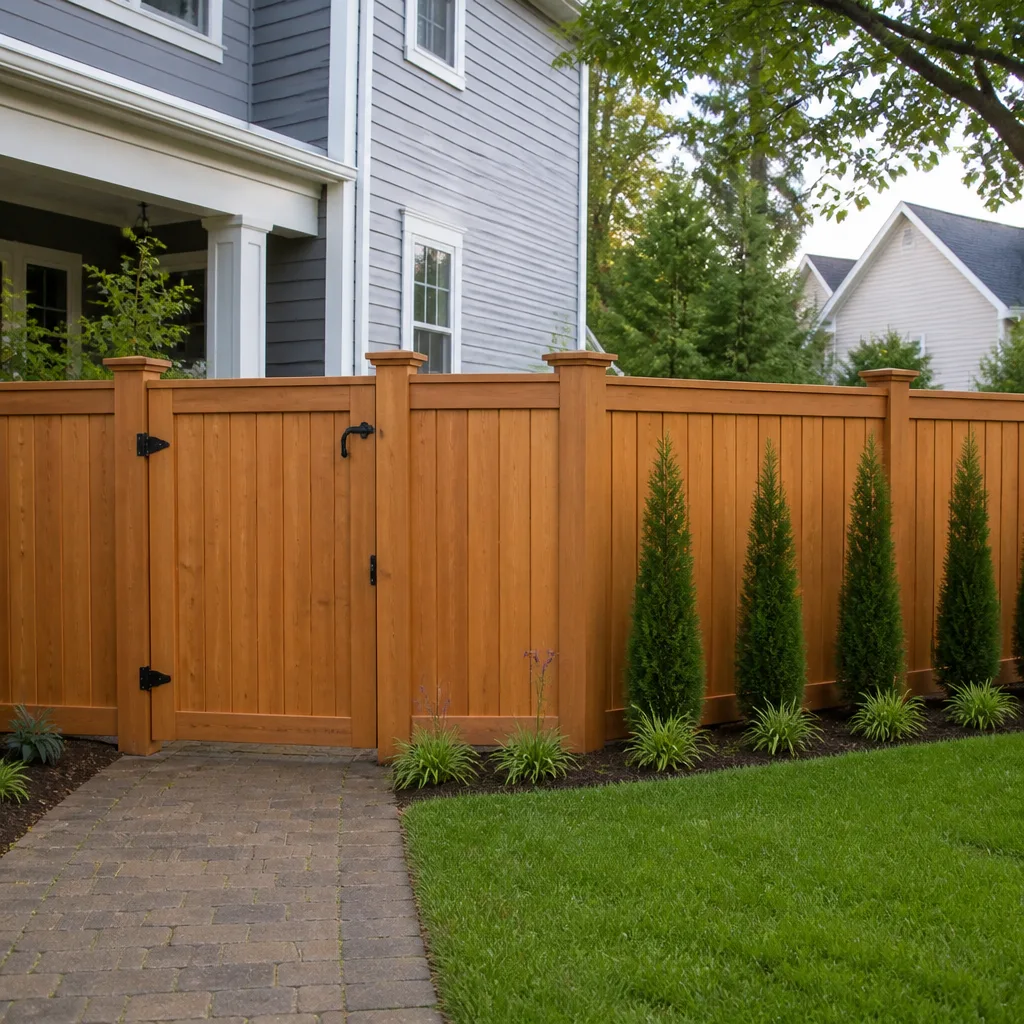
Hardscaping follows the same pattern. Belgard and Techo-Bloc occupy the premium design tier with more sophisticated paver shapes and texture options, while Unilock offers strong mid-tier options. For a front walkway that guests see daily, the premium design language may be worth it. For a utility path at the side of the house, it probably is not. The same logic applies to fencing: Master Halco and Ameristar both produce quality lines, with Ameristar’s ornamental steel sitting at the premium end and Master Halco’s wood and vinyl lines covering the value end. Jerith produces aluminum fencing that performs well in coastal environments but carries a premium price.
The takeaway is not that premium brands are a rip-off. It is that premium pricing buys specific things: tighter tolerances, better hardware, more design options, longer parts support. Whether those things matter for your specific application is a question your contractor should be able to answer honestly, with the product in front of them and no incentive to push you up or down the tier ladder.
Single-Source Contracting: What Changes When One Contractor Manages Every System
Most San Mateo remodels and renovations involve multiple trade disciplines. A kitchen remodel touches plumbing, electrical, cabinetry, countertops, flooring, and often structural work. A full exterior renovation adds roofing, siding, windows, and hardscaping. In the traditional model, the homeowner coordinates a separate roofer, a separate window contractor, a separate kitchen remodeler, and a separate hardscaper. Each of those contractors brings their own brand relationships, their own scheduling constraints, and their own warranty responsibilities.
The coordination cost is real and mostly invisible. When a roofer finishes before the siding contractor starts, who handles the flashing interface between roof and wall? When the window contractor’s frames don’t align with the new siding thickness, who eats the rework? When a leak appears at the intersection of roof, window, and siding after a winter storm, which of the three contractors takes the call?
A single-source general contractor absorbs those coordination problems internally. One contract, one schedule, one accountable party. The same contractor who re-roofs the house can also remodel the kitchen, replace the windows, and install a paver driveway. The Complete General Contractor Guide for San Mateo Homeowners explains how the right GC overseeing the project has a direct relationship with each brand manufacturer and manages subcontractors under a unified quality standard. That structure eliminates the finger-pointing that defines multi-contractor projects.
For homeowners considering an ADU, the single-source model extends further. San Mateo Construction builds ADUs through prefab manufacturer partnerships with Abodu, Dvele, Mighty Buildings, Plant Prefab, and Boxabl, in addition to traditional stick-built ADU construction. A Home Remodeling in San Mateo project that includes an ADU requires coordination between the prefab factory schedule, the site preparation crew, the utility connections, and the finishing trades. One accountable contractor manages all of it, which is why the model works where multi-vendor approaches fail.
The trade-off is straightforward: you exchange the illusion of price savings from bidding each trade separately for the reality of a coordinated build. In high-cost markets like San Mateo, the coordination savings usually outweigh the slight premium a full-service general contractor charges. Delays, rework, and finger-pointing cost more than a good GC ever will.
Common Mistakes to Avoid
- Selecting the brand before selecting the contractor. Homeowners who decide on a specific window or cabinet brand before vetting contractors often end up hiring the only contractor who carries it, even when that contractor is unqualified. Vet the contractor first, then work through their brand portfolio.
- Assuming a warranty covers installation. Manufacturer warranties cover the product, not the labor to install it. A shingle that fails under warranty gets replaced for free, but the contractor charges to install the replacement unless the contractor’s own workmanship warranty covers the labor. Verify what the workmanship warranty actually says.
- Ignoring coastal-specific requirements. San Mateo homes within the marine influence zone experience salt-air corrosion that inland homes never see. Exterior products specified without coastal-rated hardware, fasteners, or flashing will fail early, and the failure is usually excluded from warranty coverage.
- Buying premium brands for low-wear applications. A premium cabinet line in a guest bathroom or a premium window in a garage wall adds cost without adding value. Match the tier to the usage, not to the showroom impression.
- Assuming builder-grade is good enough everywhere. The reverse mistake is just as common. Builder-grade windows with standard hardware will corrode within a few years in San Mateo’s coastal air. Builder-grade cabinets in a heavily used kitchen will show wear within five years. Some applications genuinely need the upgrade.
- Failing to verify manufacturer certification in writing. A contractor who claims to be a certified installer should produce documentation. Verbal claims mean nothing when a warranty claim is denied because the paperwork never existed.
When to Call a Professional
Brand selection matters most when the project involves structural or envelope work: roofing, windows, siding, waterproofing, and any component where a failure creates water intrusion. A roofline-to-foundation scope also benefits from professional coordination, because the interfaces between systems are where problems concentrate. If you are planning a Home Renovation in San Mateo that touches multiple systems, or considering an ADU build, the brand conversation should happen with a contractor who carries the full portfolio, not with a showroom salesperson who represents one manufacturer. San Mateo Construction offers free estimates in San Mateo. Call (855) 901-7266 to schedule yours.
Frequently Asked Questions
The best brands for a San Mateo home depend on the system and the specific exposure. For roofing in coastal areas, GAF, CertainTeed, and Owens Corning all produce mid-tier architectural shingles with coastal application guidelines, and the right choice comes down to wind exposure and roof geometry. For windows west of El Camino Real, PGT’s coastal lines with stainless hardware outperform standard aluminum options. James Hardie fiber cement is a strong siding choice for the fog belt, avoiding the maintenance burden of wood. For cabinetry and countertops, KraftMaid, Wellborn, Cambria, Silestone, and Caesarstone all occupy legitimate positions, and the selection should follow usage patterns rather than blanket prestige. Call (855) 901-7266 to discuss what fits your project.
Brand-name materials typically add 10 to 25 percent to the line-item cost compared to builder-grade equivalents, but the spread varies widely by category. In plumbing, the gap between Delta and Grohe can be 30 percent or more on fixtures. In countertops, the spread between Silestone and Cambria often comes down to slab selection rather than inherent product quality. For a full Home Remodeling in San Mateo, brand selections across all systems might shift the total budget by 8 to 15 percent. The honest advice is to spend the premium where usage and exposure are highest, and hold back on low-wear applications. Call (855) 901-7266 for a detailed material breakdown.
If your home is within a few miles of the Pacific or the Bay, yes, coastal-rated hardware and finishes will measurably extend the life of exterior components. Salt-laden air corrodes standard window hardware, door hinges, and exposed fasteners within three to five years. PGT’s coastal product lines and Therma-Tru’s coastal door series both address this exposure directly. Homes further inland, such as parts of Hillsdale or the San Mateo Highlands, still experience marine influence but with less intensity. A contractor who knows San Mateo’s microclimates can specify accordingly.
A manufacturer warranty covers defects in the product itself, such as a shingle that fails prematurely or a cabinet door that delaminates. A contractor workmanship warranty covers defects in the installation, such as a roof leak caused by improper flashing or misaligned cabinets. The two warranties often interact: many manufacturers extend or downgrade their product warranty based on whether the installer was certified. Both documents should be reviewed before work begins, and both should name specific obligations and timeframes.
Manufacturer relationships determine three things: whether the full product warranty is in effect, whether warranty claims get expedited, and whether the contractor has installed enough of the product to know its installation quirks. A contractor with active buying history and certification status can handle a warranty claim without the homeowner having to navigate the process alone. In San Mateo, where coastal conditions create more warranty claims than inland areas, that support structure is worth verifying before you sign.
Yes, and this is what sets a full-service general contractor apart from trade-specific remodelers. San Mateo Construction carries brand relationships across every major home system, from GAF and CertainTeed roofing to PGT windows, James Hardie siding, KraftMaid and Wellborn cabinetry, Cambria and Silestone countertops, and Schluter waterproofing. One contract covers all of it, which means one accountable party for scheduling, quality, and warranty follow-through. Browse the San Mateo Construction home page for the full scope of services.
The Bottom Line
Choosing the right construction brand for a San Mateo project comes down to five decisions: match the brand tier to the usage, verify manufacturer certification in writing, account for coastal exposure on every exterior system, weight installation quality above brand prestige, and hire a contractor whose brand portfolio is broad enough to support honest recommendations. A premium brand installed by an uncertified contractor will underperform a mid-tier brand installed by a certified one, every time. The goal is not to collect logos; it is to put the right product in the right place with the right installation behind it. If you are planning a renovation in San Mateo and want a single accountable team from roofline to foundation, call (855) 901-7266 for a free estimate.
Written by the team at San Mateo Construction, serving San Mateo since 2018.
See the difference
 Before
 After
 Before
 After
 Before
 After