
Last updated October 31, 2026
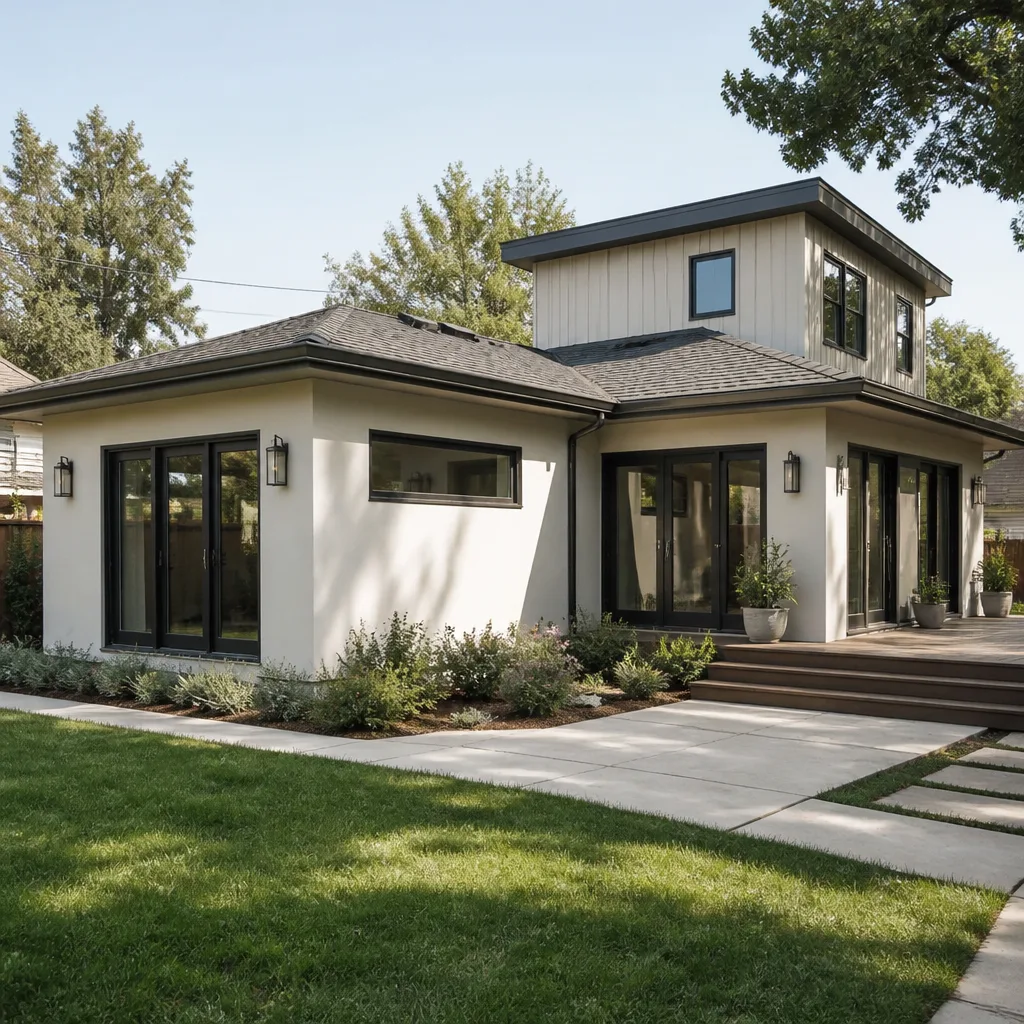 Home additions & ADU
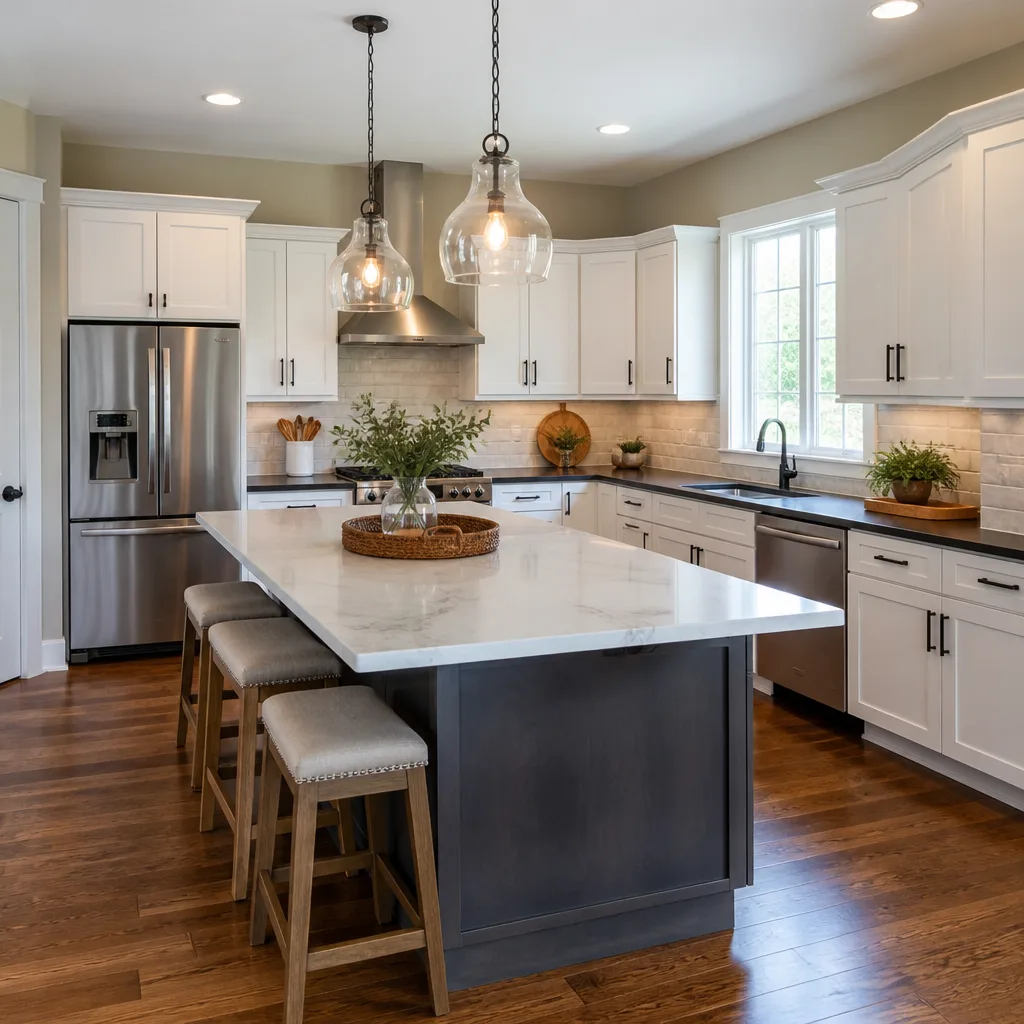 Kitchen remodeling
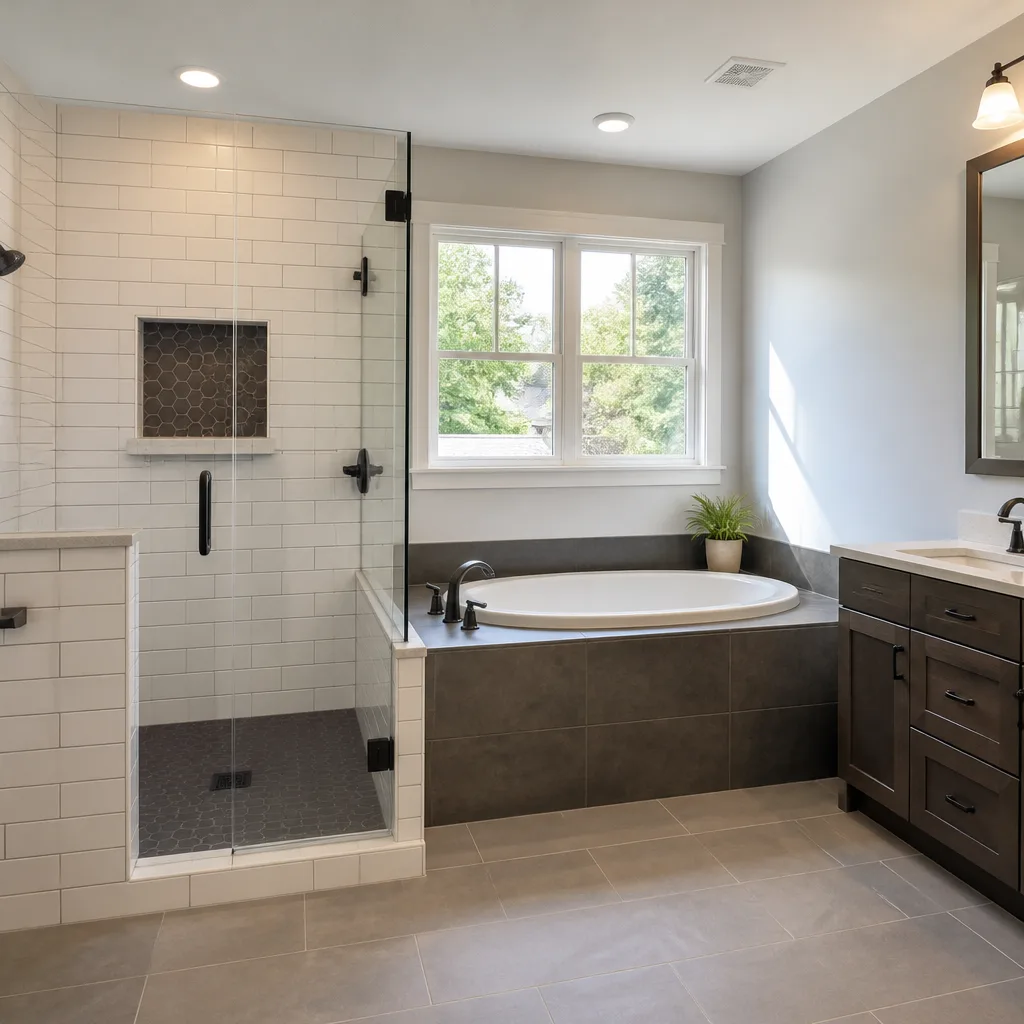 Bathroom remodeling
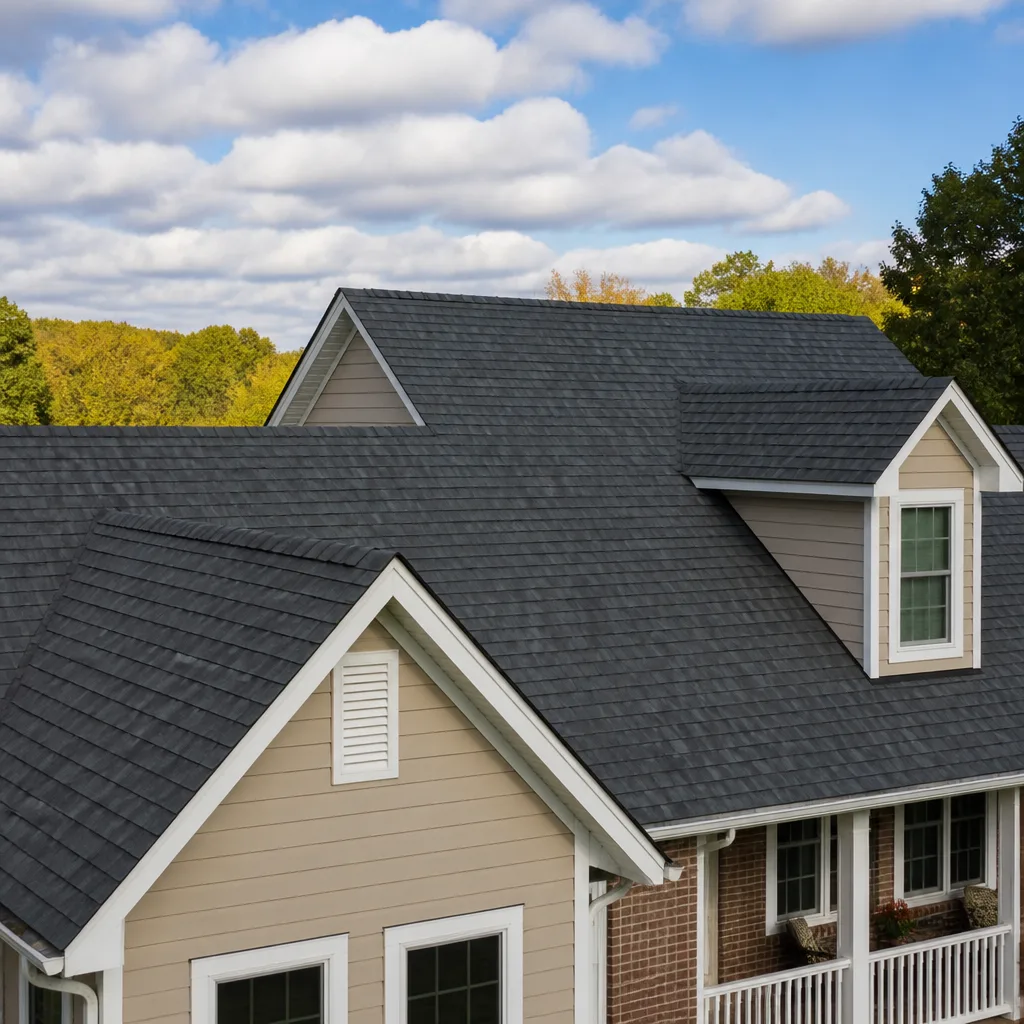 Roofing
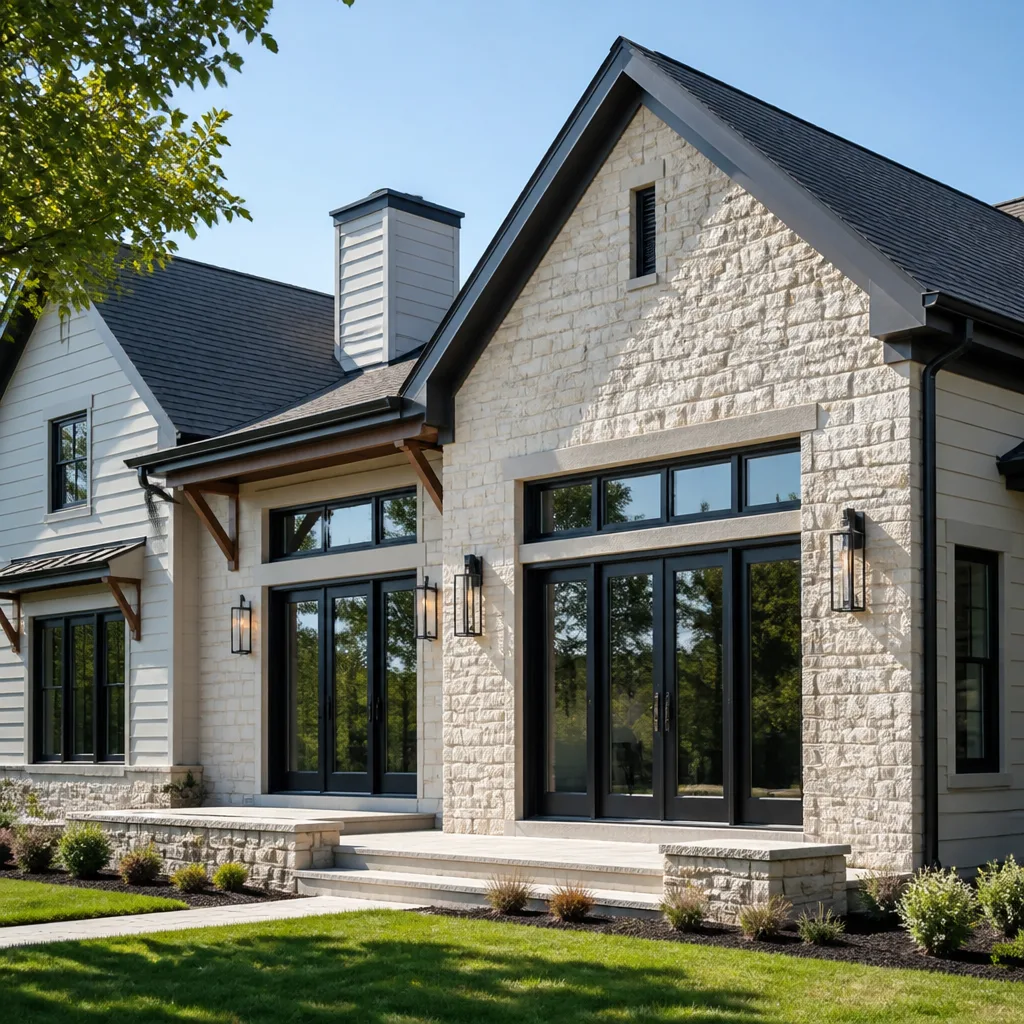 Windows & doors
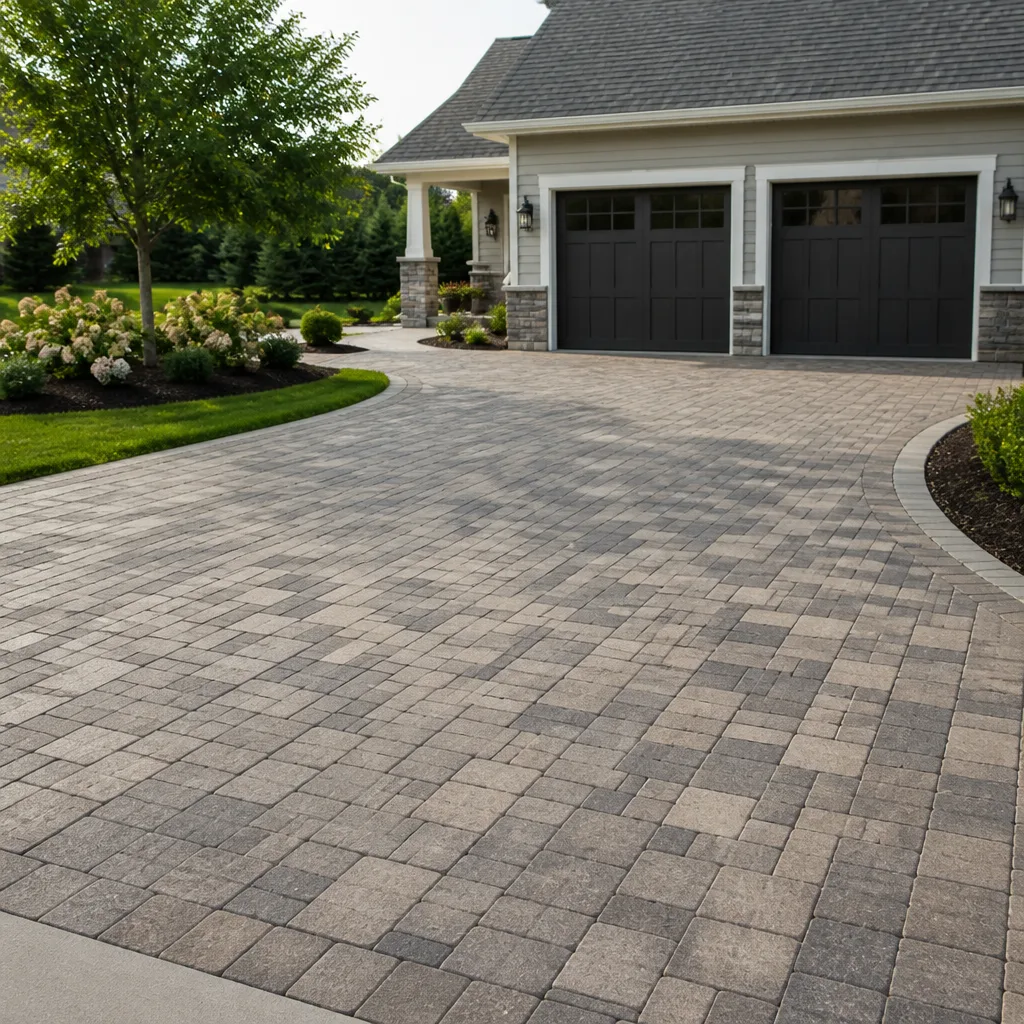 Driveway & pavers
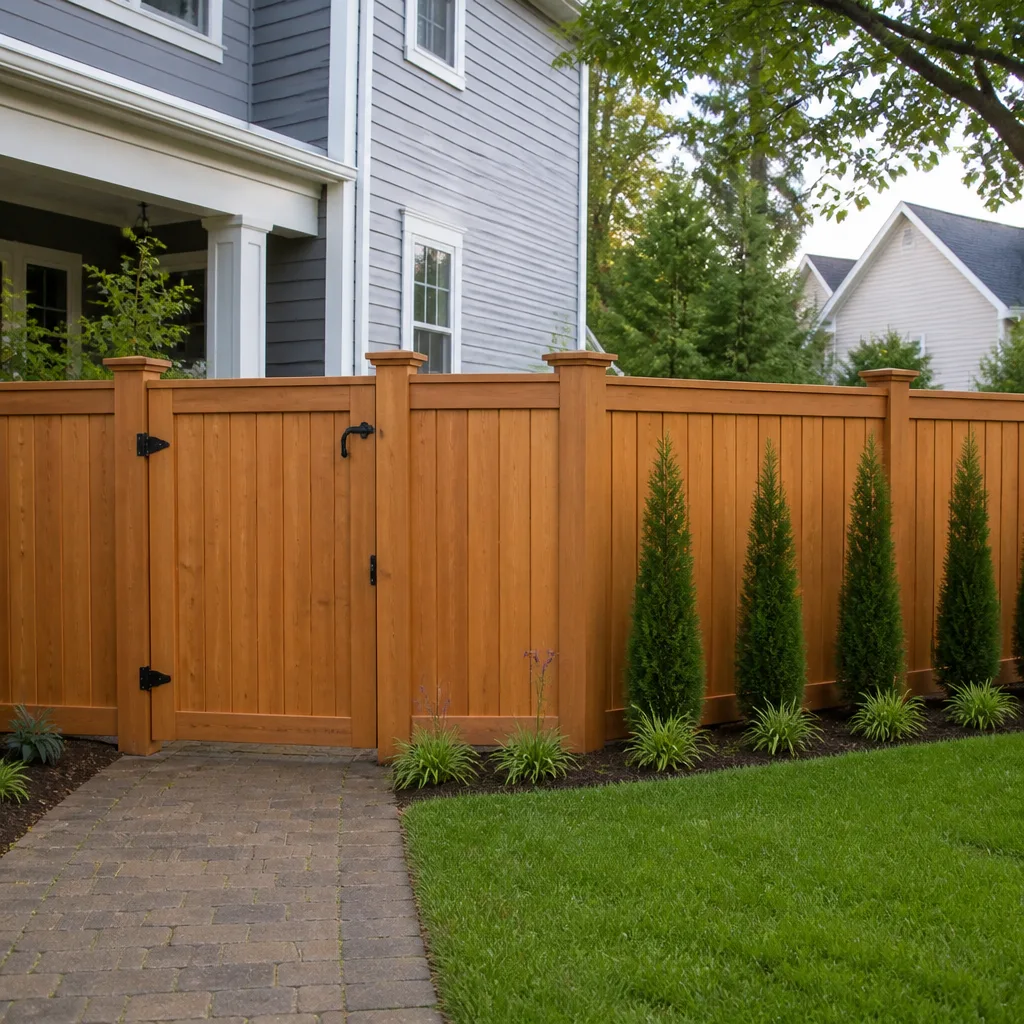 Fence
Free written scope consultation - allowances, timeline, and change-order rules on paper before a single trade is scheduled
Construction Cost Breakdown: The San Mateo Homeowner’s Reference for 2026
Here’s the number that catches most San Mateo homeowners off guard: it isn’t the $45,000 kitchen or the $28,000 roof. It’s the soft costs. Permit fees, plan check, engineering, school impact fees on ADUs, and inspection charges routinely add 12 to 18 percent to a project total before anyone swings a hammer. In San Mateo, where the building department runs on a fee schedule that scales with valuation and hillside lots trigger additional geotechnical review, that line item can reach five figures on a mid-size remodel. This guide breaks down what construction actually costs in San Mateo in 2026, line by line, so you can budget from real numbers instead of national averages that don’t reflect this market. For related reading, see our Construction Warning Signs: A San Mateo Homeowner’s Reference Guide.
Styles & brands we work with
Quick Answer
Construction costs in San Mateo, CA in 2026 run roughly $350 to $650 per square foot for interior remodeling, $850 to $1,200 per square foot for new ADU construction, and $18,000 to $65,000 for a typical kitchen remodel depending on material tier. Add 12 to 18 percent for soft costs including permits, engineering, and inspections. Hillside lots, restricted street access, and mid-century home conditions all push costs toward the upper end of those ranges. If you’re planning a project, budget from San Mateo-specific numbers, not Bay Area averages, and get a written line-item estimate before committing.
Table of Contents
- What Construction Costs in San Mateo in 2026: Real Numbers by Project Type
- San Mateo County Permit Fees: What You’ll Actually Pay
- Hillside Lots and Street Access: The Hidden San Mateo Premium
- Labor Rates vs. Materials: Where Your Money Goes
- How to Read a Proposal: Legitimate Markup vs. Cost Inflation
- Cost Per Square Foot: What It Captures and What It Hides
- Material Tiers: What Premium vs. Value Really Buys You
- Common Mistakes to Avoid
- When to Call a Professional
- Frequently Asked Questions
- The Bottom Line
What Construction Costs in San Mateo in 2026: Real Numbers by Project Type
San Mateo sits at its own price point. We’ve seen homeowners budget from Bay Area cost guides and come up 20 to 30 percent short because their numbers were weighted toward San Jose or Hayward, where labor and permit structures differ. The figures below reflect what we see on actual San Mateo projects in 2026, including labor, mid-grade materials, contractor overhead, and standard site conditions. Flat lots in Shoreview or Aragon run toward the lower end. Hillside work in Baywood Knolls or San Mateo Park runs higher.
Kitchen Remodel
A full kitchen remodel in San Mateo in 2026 runs $45,000 to $85,000 for a mid-range project with semi-custom cabinetry, quartz countertops, and mid-tier appliances. Smaller refreshes that keep the existing footprint and plumbing locations can land around $28,000 to $40,000. At the high end, with custom cabinetry, premium stone, and appliance upgrades, you’re looking at $90,000 to $140,000. The spread comes down to three things: cabinet construction, countertop material, and whether you move plumbing or gas lines. Moving a sink or range adds $3,000 to $8,000 before you’ve chosen a single finish.
Bathroom Remodel
A hall bathroom remodel in San Mateo typically runs $22,000 to $40,000. A primary bathroom with a curbless shower, custom vanity, and heated floor lands between $35,000 and $65,000. Labor dominates here: waterproofing, tile setting, and plumbing rough-in account for roughly 60 percent of the total. If you’re in an older San Mateo home with galvanized supply lines or a failing cast iron waste line, add $4,000 to $7,000 for repiping the bathroom run. A Schluter waterproofing system adds $1,500 to $3,000 over a basic mortar bed, but it’s the difference between a shower that stays dry and one that fails behind the tile in ten years.
Roof Replacement
A roof replacement on a typical 1,800 to 2,200 square foot San Mateo home runs $18,000 to $32,000 for architectural asphalt shingles. Standing seam metal runs $35,000 to $60,000. The San Mateo variable here is two-fold: most homes built before 1980 need sheathing replacement once the old roof comes off because the plywood has delaminated from decades of fog and coastal moisture. That adds $3,000 to $6,000. And if your roof has a steep pitch or multiple valleys, common on mid-century ranches in the San Mateo hills, labor goes up by 15 to 25 percent because roofing crews move slower and set more safety equipment.
Window Replacement
Replacing all windows on a 1,800 square foot San Mateo home runs $18,000 to $35,000 installed, depending on window count, frame material, and glass package. Vinyl frames from PGT run at the lower end, premium fiberglass or wood-clad at the upper end. If you’re in an older San Mateo home with original single-pane wood sashes, expect lead paint remediation requirements on the exterior trim, which adds $1,500 to $4,000 depending on scope. Double-pane low-E glass is standard now; triple-pane adds about 20 percent and pays off mainly on homes that get direct afternoon sun exposure.
ADU Build
A detached ADU in San Mateo runs $350,000 to $500,000 for a 600 to 800 square foot unit built traditionally, or $250,000 to $350,000 for a prefab unit from manufacturers like Abodu, Dvele, or Boxabl. The spread reflects San Mateo’s permit costs, which include school impact fees that we cover in the next section. Attached garage conversions run $180,000 to $280,000. The single largest variable is your sewer connection: tying into the main line is straightforward on a flat lot, but on a hillside property you may need a pump system that adds $15,000 to $25,000.
San Mateo County Permit Fees: What You’ll Actually Pay
San Mateo calculates permit fees as a percentage of project valuation, plus flat fees for plan check and inspections. For a deeper look at requirements, see our Construction Permits, Codes & Inspections in CA: What You Need to Know. The city uses its own fee schedule, separate from the county, and the two don’t match. For a $50,000 remodel, the building permit itself typically runs $1,800 to $2,800. Plan check adds another $1,000 to $1,500. Electrical, plumbing, and mechanical permits are separate line items and run $300 to $900 each depending on scope. In total, a mid-size remodel pays $4,000 to $7,000 in fees before construction starts.
ADUs carry an additional line item that surprises people: school impact fees. Under state law, ADUs under 750 square feet are exempt from school fees, but over that threshold San Mateo assesses fees that run $3 to $5 per square foot. A 1,000 square foot ADU can owe $4,000 to $5,500 just for school district impact. Add sewer connection charges, which are flat fees regardless of unit size, and ADU-specific permits plus plan check routinely total $12,000 to $20,000 before you count any construction.
Here is a typical permit fee breakdown for a $50,000 San Mateo remodel:
- Building permit: $2,300
- Plan check: $1,200
- Electrical permit: $600
- Plumbing permit: $500
- Mechanical permit: $400
- Inspection fees (built into permit): $0 additional, but re-inspections run $150 per visit
If you’re working with a general contractor in San Mateo, they handle the permit submission and fee payment as part of the contract. But you should see those fees itemized. A contractor who lumps permits into a single “miscellaneous” line item isn’t doing you a favor, they’re hiding cost structure.
Hillside Lots and Street Access: The Hidden San Mateo Premium
San Mateo is a city of flatlands and hills, and the cost difference between the two is real. Homes in Baywood, San Mateo Park, the Knolls, and parts of Shoreview sit on slopes that trigger additional engineering requirements under San Mateo’s municipal code. A flat lot in the Hayward Park neighborhood can be remodeled without a soils report. A hillside lot in the Knolls almost always requires geotechnical review before a foundation can be touched, and that report runs $3,000 to $6,000. If the report finds expansive soil or fill, foundation work goes up by $10,000 to $30,000.
Street access compounds this. San Mateo’s older neighborhoods have narrow winding streets, and some hillside homes have driveways that can’t accommodate a full-size delivery truck. When a roofing crew can’t park within hose reach or a lumber delivery has to be shuttled from a staging area, the contractor pays for extra labor hours and passes that cost through. We’ve seen hillside projects add 8 to 15 percent compared to an identical scope on a flat street in the same city. That’s not markup, it’s logistics.
If you’re evaluating bids from contractors who haven’t visited the site, the quote you’re getting is likely based on a flat-lot assumption. A written estimate that includes a site visit is the only way to capture these variables accurately. Our team does exactly that for every home remodeling project in San Mateo because the numbers change on site in ways no listing photo shows.
Labor Rates vs. Materials: Where Your Money Goes
In San Mateo in 2026, labor is the dominant cost on most interior projects. Union-adjacent wage pressure from the broader Bay Area construction market, scarcity of skilled finish carpenters, and the cost of living that tradespeople face in San Mateo County all push hourly rates higher than national figures. Licensed electricians bill $120 to $180 per hour. Plumbers run $100 to $160. General carpentry runs $70 to $110 per hour. A tile setter doing work that justifies the rate charges $80 to $140 per hour.
On a $50,000 kitchen remodel, here is a typical split:
- Labor (demo, rough-in, finish carpentry, electrical, plumbing, tile, paint): $26,000 to $32,000
- Materials (cabinetry, countertops, fixtures, appliances, tile, lighting): $16,000 to $20,000
- Contractor overhead and profit (project management, scheduling, insurance, warranty accrual): $6,000 to $10,000
If a bid comes in significantly lower than these ranges, something is missing. Either the contractor is planning to use unlicensed labor, the material allowance is unrealistically low, or you’re going to see change orders once the project starts. None of those outcomes save you money in the end. If you’re planning a larger home renovation in San Mateo, expect the labor percentage to hold steady while material costs scale with your finish selections.
How to Read a Proposal: Legitimate Markup vs. Cost Inflation
Every contractor marks up materials. The question isn’t whether, it’s how much and whether it’s transparent. A legitimate material markup covers procurement time, delivery coordination, warranty administration, and the risk the contractor carries if a material arrives damaged or a finish is defective. On most San Mateo projects, that markup runs 15 to 35 percent over the contractor’s direct cost. You can ask to see supplier invoices. A contractor running a legitimate operation will show them. A contractor inflating material costs to hide margin will deflect.
Here is how to read a proposal line by line:
- Look for specific quantities. “Kitchen cabinets: $18,500” is fine. “Cabinets + whatever else: $18,500” is not.
- Check the allowance lines. Fixture allowances should name a brand or at least a tier. “Faucet allowance: $400” without specifying Kohler versus big-box generic leaves you exposed to an upgrade charge later.
- Ask about the change order policy. A written policy that change orders require your signature before work proceeds is standard. A contractor who discourages written change orders is telling you something.
- Compare overhead and profit lines. 15 to 25 percent total overhead and profit on a mid-size project is reasonable in San Mateo. 40 percent is a premium that should be delivering premium project management.
- Separate supply chain costs from contractor markup. If the proposal says freight is included, fine. If it says “freight + 15%,” ask why you’re paying markup on a pass-through cost.
Material selection gets simpler when you’re choosing from a curated portfolio. We help homeowners pick between tiers: a Cambria countertop versus a Caesarstone, a Grohe shower system versus a Moen. You’re choosing between name-brand options, not between a brand and whatever the subcontractor found at a discount supplier. That curation is part of what a full-service San Mateo Construction home agreement delivers, and it shows up in the proposal as specific, identifiable line items rather than vague allowances.
Cost Per Square Foot: What It Captures and What It Hides
Cost per square foot is the most cited construction number and the least understood. In San Mateo, interior remodeling runs $350 to $650 per square foot, and both numbers are true on different projects. The metric captures total project cost divided by the area being worked on, but it hides everything that drives cost aside from area: the condition of the underlying structure, the complexity of the plumbing and electrical scope, the material tier, and the site access.
Here is how to pressure-test a bid using cost per square foot:
- Ask what footage the number uses. A contractor calculating cost per square foot on a kitchen remodel using the kitchen’s floor area gets a different number than one using the entire affected area. Make sure you’re comparing the same denominator.
- Check what is excluded. Some bids exclude appliances, or permits, or finish plumbing fixtures. Exclusions lower the cost per square foot without lowering your actual spend.
- Compare against a similar project, not a similar square footage. A 200 square foot bathroom remodel at $500 per square foot is one thing. A 200 square foot kitchen at $500 per square foot is something else entirely. The trades involved are different.
- Ask what the number would be if you changed one variable. “What does this drop to if I keep the existing window?” A contractor who can answer that quickly is working from a real estimate, not a formula.
Cost per square foot is useful as a triage tool to spot bids that are wildly out of range. It’s not useful as a budgeting tool on its own. The real budget comes from a written, line-item estimate specific to your home and your neighborhood.
Material Tiers: What Premium vs. Value Really Buys You
Most San Mateo homeowners fall into one of two camps: they want the premium option and want to know it’s genuinely better, or they want a sensible mid-range choice and want to know they’re not compromising on anything structural. The honest answer is that both positions are valid, and the difference between tiers matters more in some categories than others.
Countertops are a clean example. Cambria quartz runs $85 to $130 per square foot installed. Caesarstone or Silestone run $60 to $90. The difference isn’t structural; all three are engineered quartz with similar stain and scratch resistance. You’re paying for the Cambria brand, the warranty structure, and availability of certain edge profiles and colors. Both are defensible choices.
Plumbing fixtures show a bigger functional spread. A Grohe or Toto fixture carries a 10-year or lifetime warranty and replacement parts that stay available for decades. A Moen fixture is reliable, well-supported, and costs 40 to 60 percent less at the fixture level. The labor to install either is identical. So the premium on plumbing is buying longevity and parts availability; the savings on Moen is buying a proven product that just has a simpler mechanism.
The categories where we tell homeowners not to value-engineer are waterproofing, roofing, and structural elements. A Schluter waterproofing system under tile, a GAF or Owens Corning roofing system, and proper shear wall installation are not the places to save money. The failure cost is an order of magnitude higher than the material savings. Where we tell people to consider value tiers is on finishes: a Blanco sink performs as well as a Kohler, a mid-range faucet works as well as a premium one, and a Caesarstone countertop is indistinguishable from Cambria to anyone not reading the warranty card. We help homeowners choose between these because choosing well is what keeps a project at budget without cutting corners where it matters.
Common Mistakes to Avoid
- Budgeting from Bay Area averages. San Mateo labor rates and permit fees run above regional averages. If your budget is based on a San Jose cost guide, you’ll be short by 20 percent or more before design finishes.
- Ignoring soft costs. Permits, engineering, plan check, and inspection fees add 12 to 18 percent to San Mateo projects. Budget for them as a separate line item from day one.
- Skipping the site visit. A bid prepared without a site visit assumes flat access, standard framing, and functional utilities. None of those are safe assumptions on a 1960s San Mateo hillside home.
- Comparing bids by total price alone. A lower total that omits permits, uses vague allowances, or excludes fixture costs will cost more once change orders begin. Compare line items, not bottom lines.
- Value-engineering the wrong categories. Saving $2,000 on waterproofing or roofing materials can create a $20,000 repair later. Save on finishes, not on systems.
- Choosing materials before understanding the labor implications. A $5,000 slab backsplash costs the home owner once and the installer twice if the wall isn’t properly prepared. Talk to someone who knows how materials install before finalizing a purchase decision.
When to Call a Professional
You need a professional when the project touches structure, waterproofing, or permits. If you’re removing walls, moving plumbing, replacing a roof, adding square footage, or building an ADU, the permitting process and inspection requirements make a licensed contractor non-negotiable. You also want a professional when the scope spans multiple trades: a project that involves roofing, windows, and a kitchen remodel is one you want under a single contract so the scheduling and warranty accountability don’t fragment. If you’re in the planning phase and want real numbers for your specific San Mateo home, San Mateo Construction offers free estimates in San Mateo. Call (855) 901-7266 to schedule a site visit and a written, line-item proposal.
Frequently Asked Questions
A full kitchen remodel in San Mateo runs $45,000 to $85,000 for a mid-range project, with smaller refreshes starting around $28,000 and high-end remodels reaching $140,000 or more depending on cabinetry and appliances. Call (855) 901-7266 for an exact quote on your kitchen; estimates are free.
Permits, plan check, and inspection fees typically add 12 to 18 percent to a San Mateo project total, with a $50,000 remodel paying roughly $4,000 to $7,000 in fees and ADUs paying significantly more due to school impact and sewer connection charges.
Hillside lots in neighborhoods like Baywood and the Knolls require geotechnical review, sometimes need foundation reinforcement, and often have street access constraints that complicate deliveries and staging, adding 8 to 15 percent compared to an identical flat-lot project.
A markup of 15 to 35 percent over direct material cost is standard in San Mateo and covers procurement, delivery coordination, and warranty administration. Ask to see supplier invoices; a contractor with nothing to hide will show them.
Interior remodeling in San Mateo in 2026 runs $350 to $650 per square foot, with the spread driven by material tier, structural condition, and site access. ADU construction runs $850 to $1,200 per square foot. Use cost per square foot as a red-flag detector, not a budget tool.
The price should not change unless you change the scope. A written contract with specified material allowances and a signed change order policy is the protection against surprise costs. If a contractor can’t explain how change orders will be handled in writing, that’s a warning sign worth taking seriously. Call (855) 901-7266 for a proposal with fixed line items and a transparent change order process.
The Bottom Line
San Mateo construction in 2026 is expensive, and the reasons are specific to this city: labor costs set by the Bay Area market, permit fees on a locally calibrated schedule, and a housing stock that includes plenty of hillside lots and mid-century construction that requires more prep work than newer builds. Budget from San Mateo-specific numbers, read proposals line by line, and treat cost per square foot as a diagnostic rather than a plan. Choose materials deliberately, pay attention to soft costs, and get a written estimate before you commit. The planning you do now determines whether the project stays on budget. Call (855) 901-7266 to get San Mateo-specific numbers for your home.
Written by the team at San Mateo Construction, serving San Mateo since 2018.
See the difference
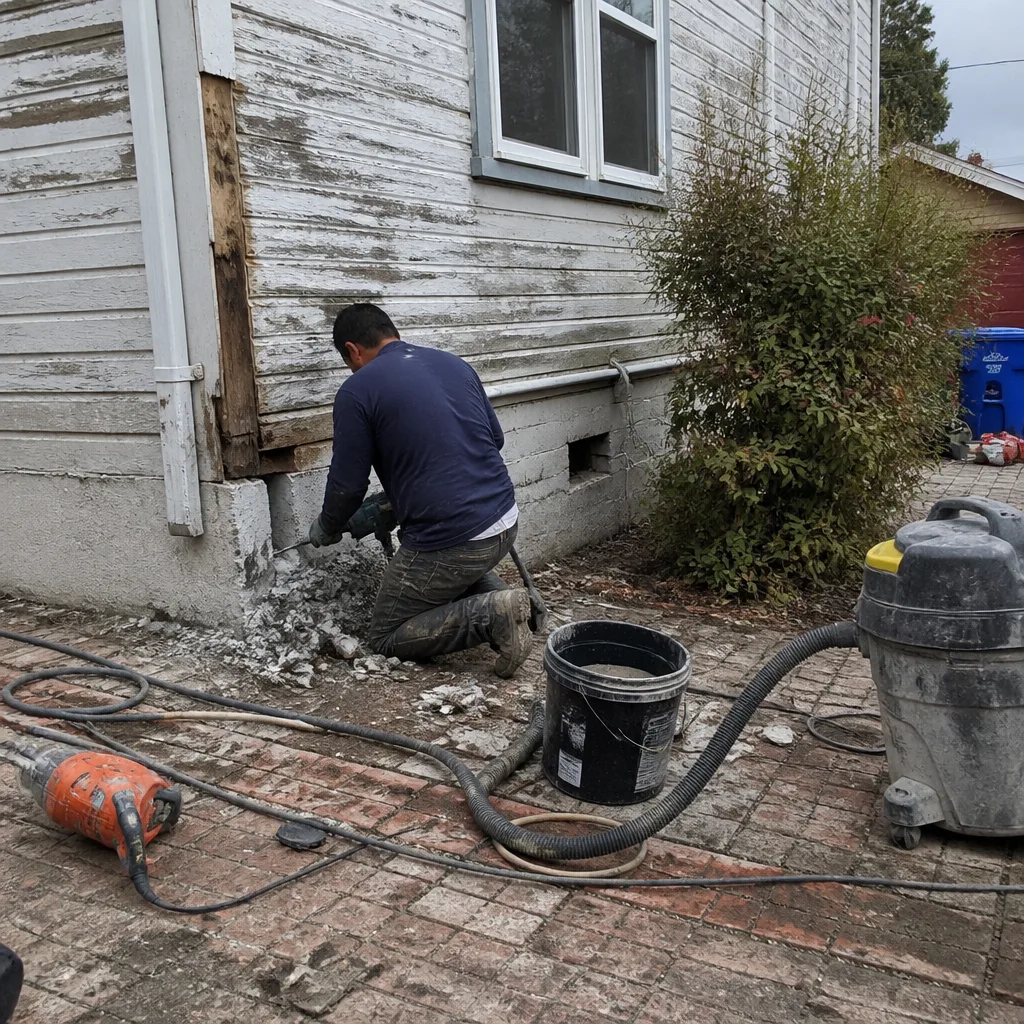 Before
 After
 Before
 After
 Before
 After