
Last updated October 31, 2026
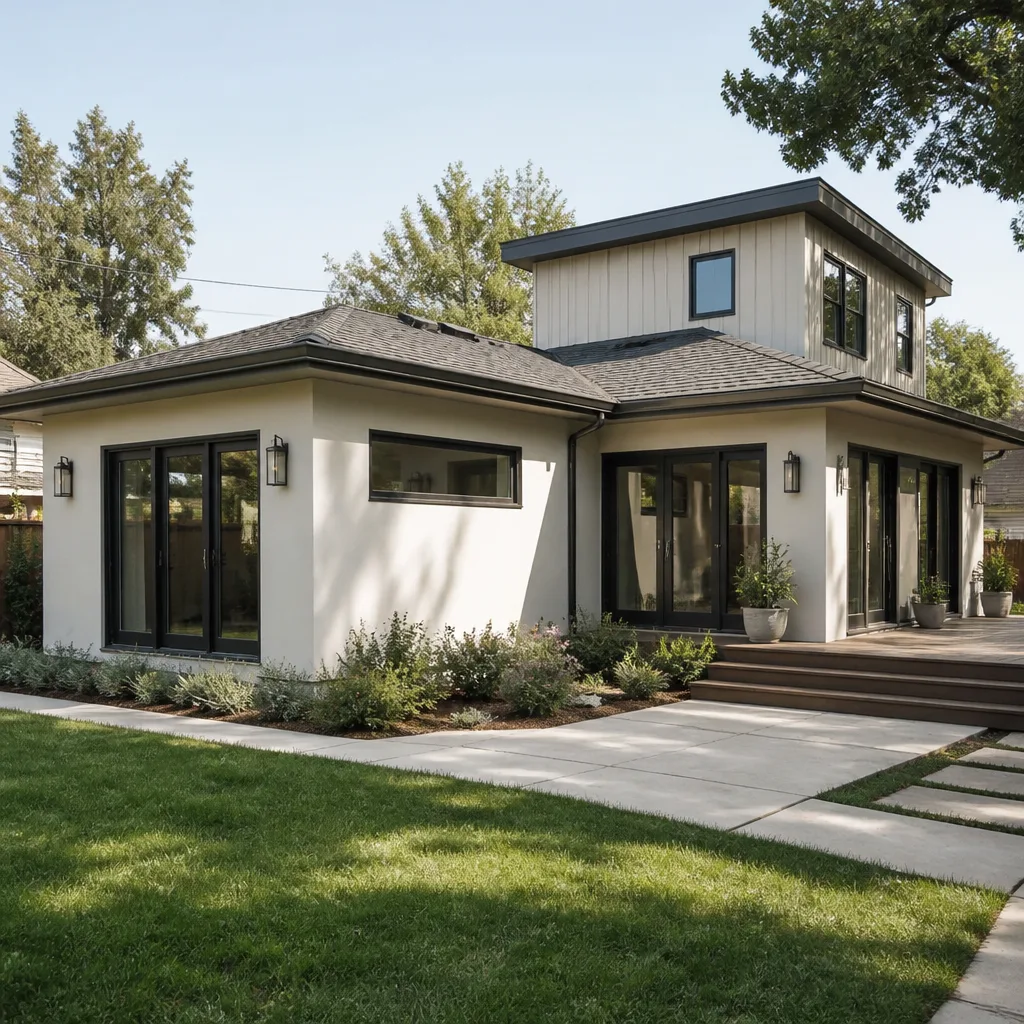 Home additions & ADU
 Kitchen remodeling
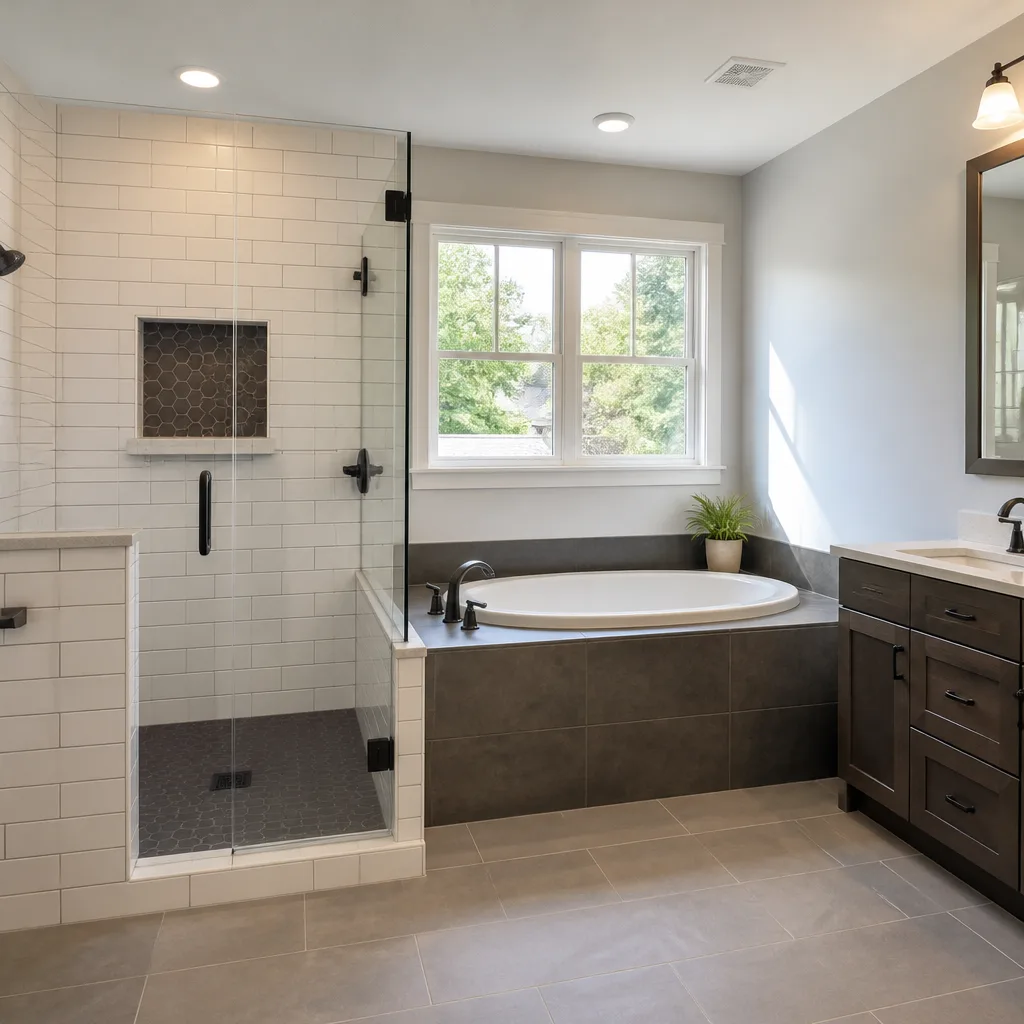 Bathroom remodeling
 Roofing
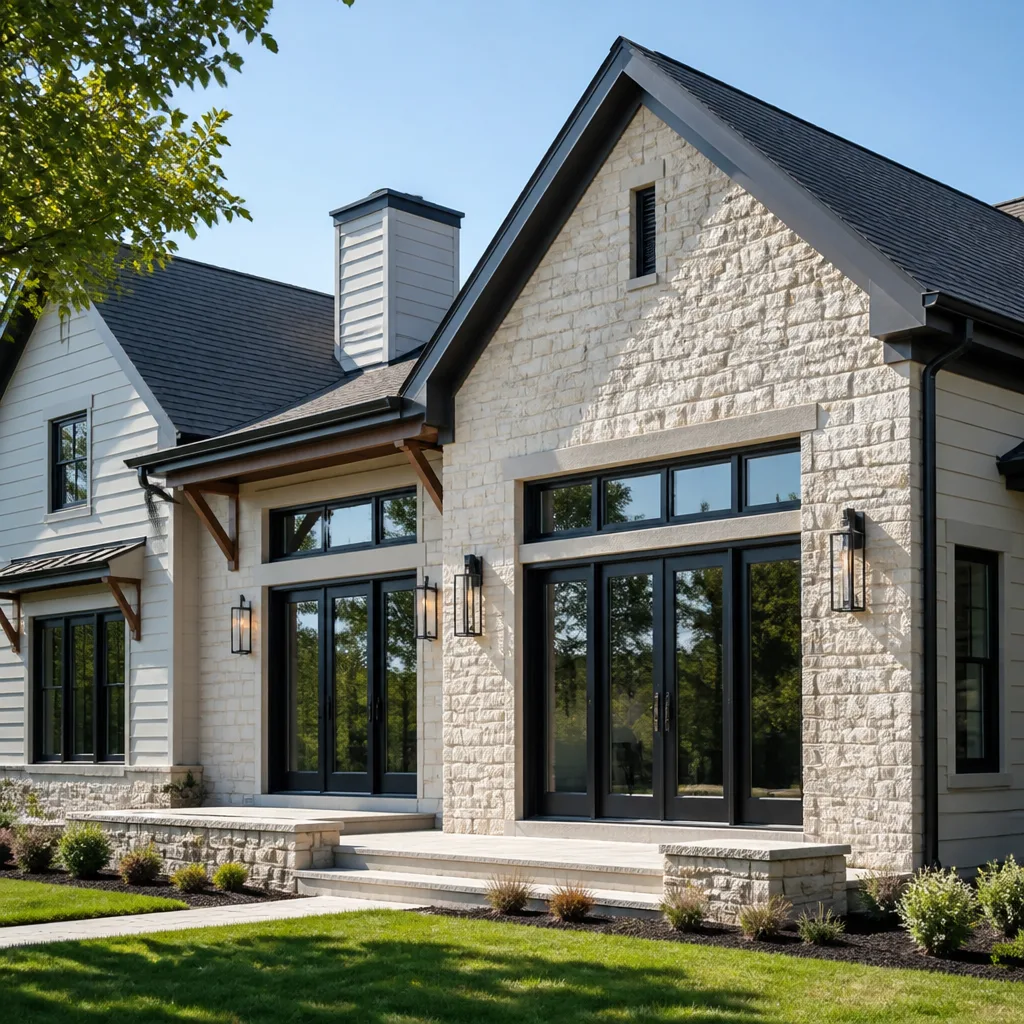 Windows & doors
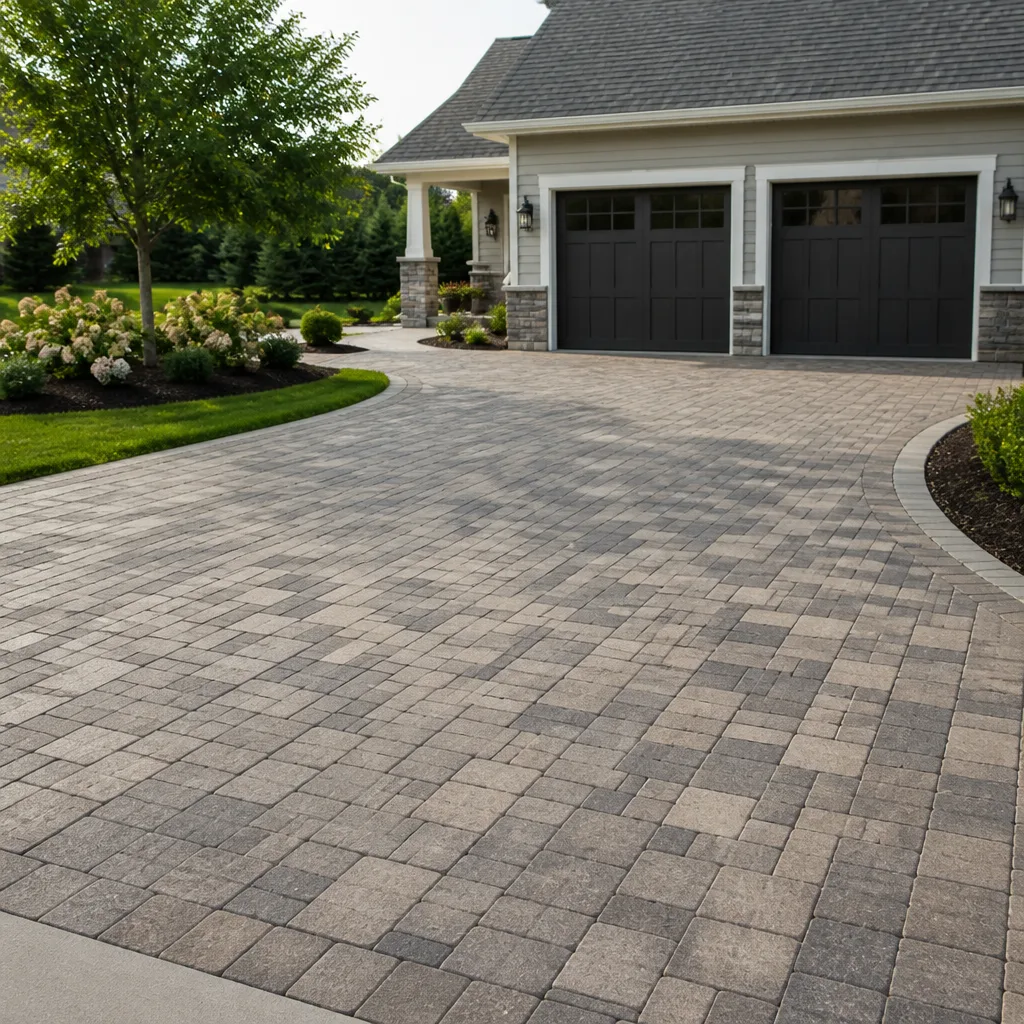 Driveway & pavers
 Fence
Free written scope consultation - allowances, timeline, and change-order rules on paper before a single trade is scheduled
The Complete General Contractor Guide for San Mateo Homeowners
California’s Contractor State License Board divides construction work into 44 distinct license classifications, and a “C” specialty license exists for almost everything you can imagine: roofing, plumbing, electrical, HVAC, concrete, tile, framing, and even fencing. A General Building Contractor (the “B” license) can legally contract for and oversee all of these trades, but the B-license holder cannot physically perform every specialty task without also holding that specialty credential. Most San Mateo homeowners never learn this distinction until a dispute arises over who was actually on-site doing the work. This guide—along with The Complete Guide to Construction in San Mateo—maps the full accountability chain on a San Mateo remodel, from the permit counter to the final inspection, so you know exactly who owns each decision before you sign a contract.
Styles & brands we work with
Quick Answer
Our General Contractor services in San Mateo provide your single point of contractual accountability for an entire remodeling or renovation project. They hold a California General Building Contractor license (class B), which authorizes them to manage projects spanning multiple trades, pull permits for the overall scope, and hire specialized subcontractors for work that requires separate C-class licenses, like electrical or plumbing. The right San Mateo GC brings deep familiarity with local permit processes, San Mateo County’s older housing stock, and hillside soil conditions, and they coordinate every trade, material, inspection, and schedule from the first walkthrough through final sign-off.
Table of Contents
- How the California B-License Actually Works
- San Mateo County Permit Process: What Triggers Full Plan Review
- Single-Source Accountability: What It Means in Contract Language
- How to Read a GC’s Subcontractor Roster
- Walkthrough Questions That Reveal Local Experience
- Material Selection: Brand Access vs. Brand Availability
- Why Scope Breadth Matters More Than Bid Price
- Common Mistakes to Avoid
- When to Call a Professional
- Frequently Asked Questions
- The Bottom Line
How the California B-License Actually Works
The General Building Contractor license, issued by the California Contractors State License Board (CSLB), is the broadest contracting credential in the state. A B-license holder can contract for and supervise projects involving any number of trades on either residential or commercial structures. That’s the legal foundation. But here’s where San Mateo homeowners get tripped up: the B-license does not authorize the license holder to perform electrical work. It does not authorize them to perform plumbing work. Those are C-10 and C-36 specialty licenses, respectively. Same goes for HVAC (C-20), roofing (C-39), and a dozen other trades.
What this means in practice: when you hire a General Contractor in San Mateo, you are hiring a company that manages the project and may self-perform certain trades where they hold the appropriate credential or where no specialty license is required, like finish carpentry, demolition, or general framing. For licensed specialty work, the GC pulls the permits under the overall project scope and then brings in a licensed subcontractor. The GC remains accountable for that sub’s work under the master contract. The sub’s license is on file with the CSLB, and the GC’s contract should name the subs or at least commit to using licensed professionals for every required specialty.
Why does this matter for your San Mateo project? Because when a problem arises, the chain of responsibility matters. If a subcontractor installs a water heater incorrectly and it leaks, you don’t chase the plumber. You hold the GC accountable. That’s the value of the B-license structure. It concentrates liability and responsibility in one place. We’ve seen enough San Mateo projects to know that homeowners who understand this structure ask better questions during the bidding phase and avoid a lot of grief later.
San Mateo County Permit Process: What Triggers Full Plan Review
If you’re planning a home remodeling project in San Mateo, you’ll almost certainly touch the San Mateo County Building Division. The county processes permits for unincorporated areas, while incorporated cities like the City of San Mateo have their own building departments. Either way, the basic structure is similar: some projects get over-the-counter permits, and some trigger full plan review. Understanding which category your project falls into will save you weeks of frustration and thousands of dollars in avoidable delays.
Over-the-counter (OTC) permits are for straightforward, low-risk work. Typical OTC-eligible projects include:
- Window replacements with no structural changes to the opening
- Re-roofing with like-for-like materials when no structural repair is needed
- Minor electrical fixture swaps (when a licensed electrician handles the work)
- Water heater replacements in the same location
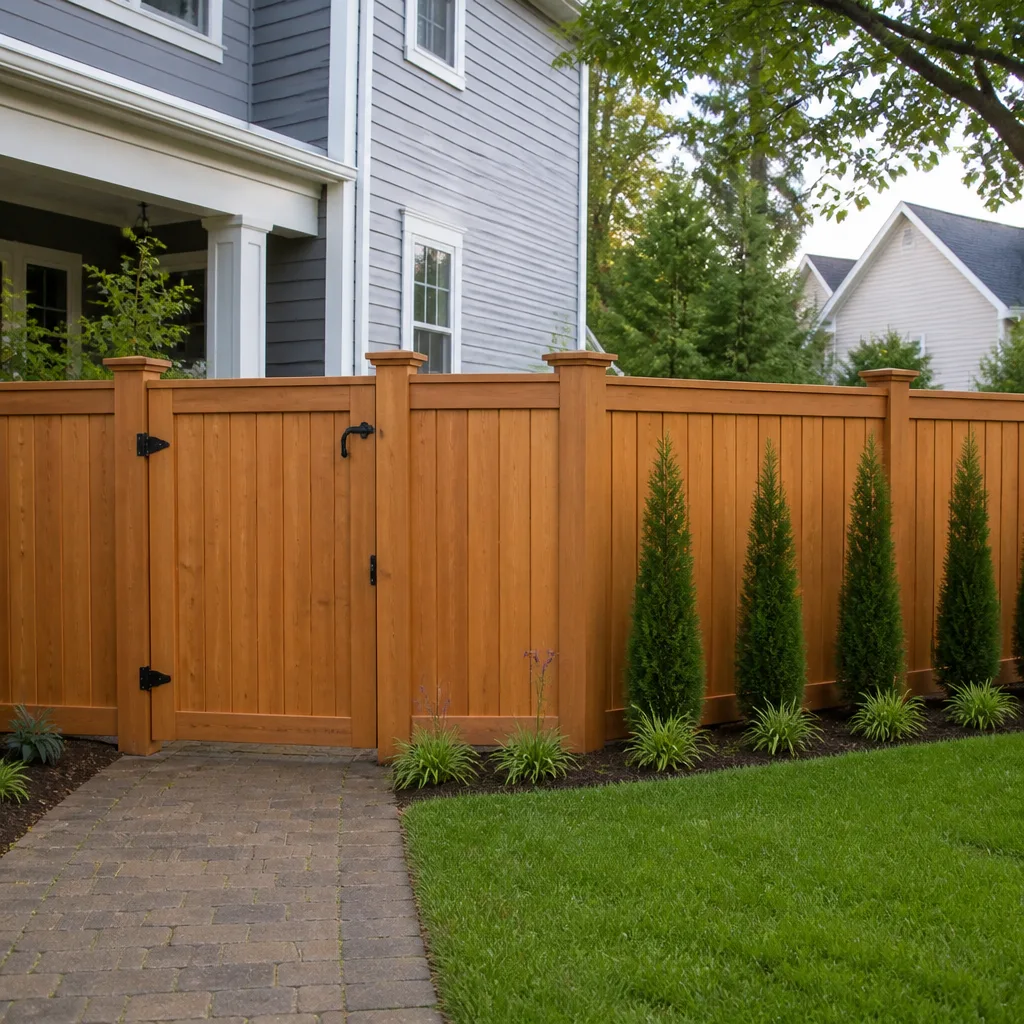
- Fence replacement under 7 feet in height
- Kitchen cabinet replacement with no changes to plumbing or electrical locations
Full plan review is triggered when the project changes the structure, the envelope penetration, or the use of the space. Common San Mateo triggers include:
- Additions or structural alterations that require engineering calculations and Title 24 energy compliance documentation
- ADU construction, which requires a complete permit package with site plan, structural drawings, and utility service confirmation
- Kitchen or bath remodels that move plumbing walls or alter load-bearing framing, which trigger structural review
- Re-roofing with material changes, like switching from asphalt shingle to tile, which triggers structural load verification
- Any hillside construction, including decks and retaining walls, due to San Mateo’s geotechnical conditions
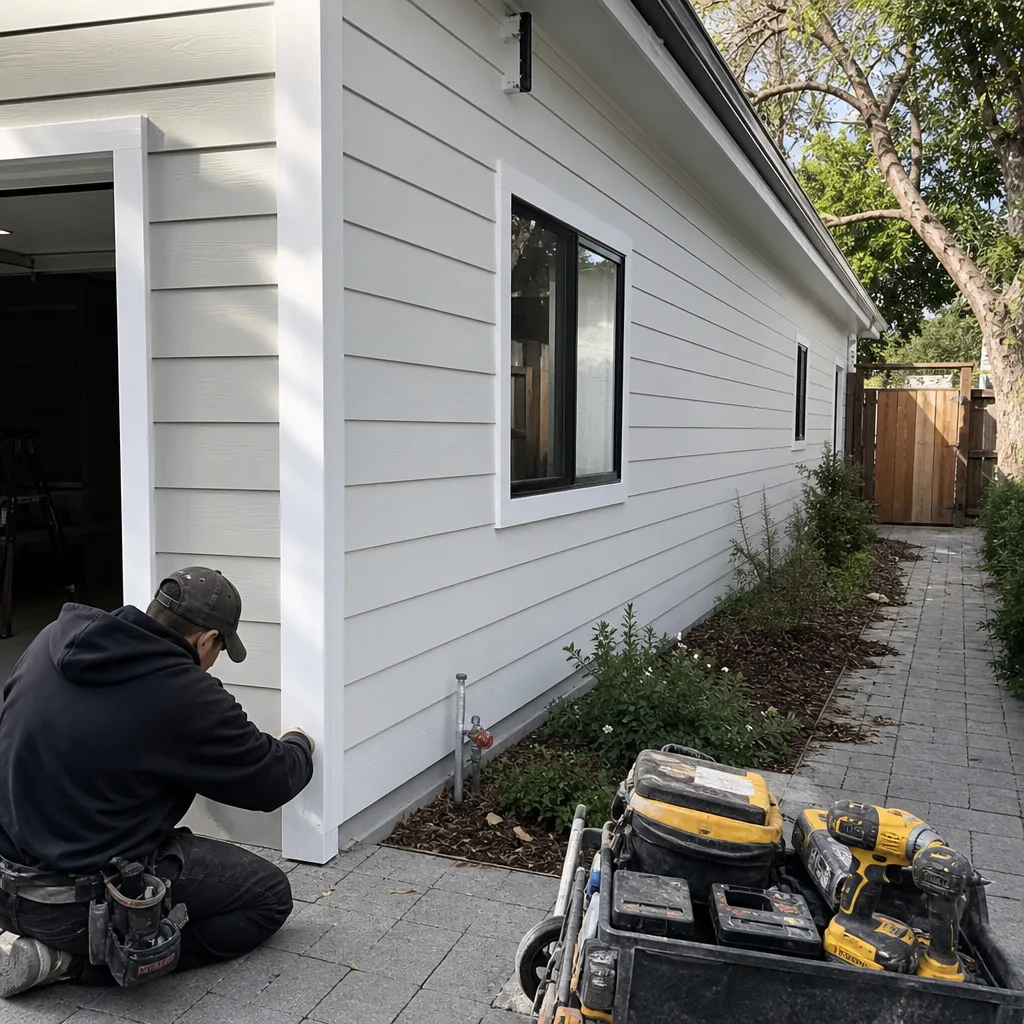
- Exterior cladding changes, like installing James Hardie siding over existing stucco, which may require a building envelope review
Timelines in San Mateo County as of 2025 generally run 2 to 5 business days for OTC permits and 4 to 8 weeks for full plan review. Hillside projects in areas like Baywood or San Mateo Park often add another 2 to 3 weeks for geotechnical review. An experienced San Mateo GC will know which projects can be fast-tracked and will prepare documents to move cleanly through review the first time, because every revision cycle adds days to your calendar.
Single-Source Accountability: What It Means in Contract Language
“Single-source accountability” is a term that gets used a lot in contractor marketing, but as a homeowner you should know exactly what it does not automatically mean. It does not mean one person physically performs every task on your job. As we covered, California law makes that practically impossible for larger remodels. It means one company holds the master contract, takes responsibility for all subcontractor work, schedules and coordinates every trade, manages material procurement, handles the permit process, and answers for the final result. The San Mateo Construction model is built on this structure: one San Mateo Construction home contract covering exterior, interior, and structural scope under a single accountable team.
When you read a contract, here’s what to look for in the language:
- Subcontractor disclosure: The contract should name the licensed specialty subcontractors or state that all subs will be CSLB-licensed in their respective trades. Vague language here is a red flag.
- Change order protocol: A clear written process for pricing and approving changes, with no verbal change orders. This protects you from the most common cause of budget overruns.
- Permit responsibility: Explicit language stating the GC pulls all required permits and is responsible for passing all inspections. If the contract pushes permit responsibility to you, walk away.
- Payment schedule tied to milestones: Progress payments tied to completed, inspected work, not upfront draws. California law caps the down payment on home improvement contracts at the lesser of $1,000 or 10%.
- Warranty terms in writing: A workmanship warranty of at least one year on labor, with manufacturer warranties on materials separately documented.
- Procedures for schedule changes: Language acknowledging that weather, inspections, and material lead times can affect the schedule, with a process for notifying you.
The contract is where marketing claims either become enforceable obligations or evaporate. “One contractor, every system” is only worth anything if the contract backs it up with clear responsibility language and licensed-sub language. We’ve helped San Mateo homeowners renegotiate contracts—drawing on Construction Cost Breakdown: The San Mateo Homeowner’s Reference for 2026 and other resources—where the GC promised “we handle everything” but the contract excluded permit management in fine print. Read the language.
How to Read a GC’s Subcontractor Roster
A general contractor is only as good as the subcontractors they maintain ongoing relationships with. Depth and breadth of a sub roster directly affect project continuity, scheduling reliability, and quality of finished work. San Mateo’s construction market is hot, and good specialty trades are booked out. A GC with shallow or transactional sub relationships will struggle to keep your project on schedule.
Here’s what we recommend looking at when evaluating a GC’s trade relationships:
- Roster breadth: How many specialty trades does the GC routinely work with? A full-scope GC should have established relationships with electricians, plumbers, roofers, HVAC techs, concrete contractors, tile setters, drywallers, painters, and carpenters. Short rosters mean more time hunting for available subs mid-project.
- Overlap depth: Does the GC have more than one option per trade? A single go-to electrician is a liability if that electrician is booked or walks off. Depth means two or three vetted options per trade.
- Licensing documentation: A professional GC will have CSLB license numbers on file for every sub and will provide them on request. If they hesitate, ask why.
- Brand familiarity: Does the GC’s trade network work with the material brands you care about? A tile setter who has never worked with large-format porcelain or Schluter waterproofing systems will struggle with modern wet-area standards. This is why San Mateo Construction maintains relationships with subs experienced in Schluter, James Hardie, and other specific material systems.
- Tenure: How long has the GC worked with their core subs? Long relationships indicate reliability and mutual accountability. Constant roster churn is a warning sign.
Why does roster breadth matter for you specifically? Because in San Mateo’s current market, a project can stall for weeks if a sub cancels and the GC has no backup. The broader the roster, the faster the recovery. Ask the question directly in your walkthrough: “Can I see your sub roster, and how many options per trade do you maintain?” The answer tells you a lot about how seriously they take scheduling.
Walkthrough Questions That Reveal Local Experience
San Mateo’s housing stock is not like the new-build tracts of the Central Valley. A large share of homes in this market were built before 1970, many on hillsides, with foundation types ranging from perimeter footings to post-and-pier to slab-on-grade depending on the neighborhood. Soil conditions vary from bay-fill areas near the water to clay-rich hillsides in the western hills. A general contractor who has only worked new construction in the suburbs may not recognize what they’re looking at when they walk through a 1940s San Mateo Park craftsman.
Here are questions to ask during a walkthrough that will quickly reveal whether the GC understands San Mateo’s older housing stock:
- “What do you see with this foundation type?” A GC who works San Mateo homes should be able to identify the foundation system and talk about what it means for the remodel. Post-and-pier foundations move differently than slab-on-grade. Pre-1970 perimeter footings have specific expansion and retrofit considerations.
- “How does this hillside lot affect the structural scope?” Hillside projects trigger geotechnical reviews, drainage requirements, and retaining wall considerations. A GC who has worked hillside lots in areas like Highlands or Baywood will answer with specifics about soil movement and drainage patterns, not generalities.
- “What’s your experience with this era of construction?” Pre-1970 homes in San Mateo often have knob-and-tube wiring remnants, galvanized plumbing, and framing that doesn’t match modern code. A GC who knows this will flag these issues during the walkthrough and budget for them. A GC who doesn’t will find them mid-project and hand you a change order.
- “How do you handle lead paint and asbestos testing on a project like this?” Any renovation of a pre-1978 home legally requires lead paint considerations. A professional GC will have a testing and abatement process ready. Silence here is disqualifying.
- “What’s been your experience with the San Mateo building department?” Every municipality has quirks. The City of San Mateo processes permits differently than the county for unincorporated areas. A GC who works this market should know the current timelines, the plan check process, and which inspectors review which scopes.
We’ve walked hundreds of San Mateo homes. The older stock, the hillsides, the bay-area soil, the local permit process: these all shape how a project runs. A GC who can speak to those specifics during the initial walkthrough is demonstrating the local experience you need.
Material Selection: Brand Access vs. Brand Availability
There’s a meaningful difference between a contractor who “can get” a brand and one who maintains an active relationship with a brand’s distribution network. Any contractor in San Mateo County can walk into a supply house and order a Kohler faucet. But a contractor with an established supplier relationship gets better pricing, faster lead times, and more reliable access when supply chains tighten. That’s the difference brand access makes on your project timeline and material budget.
When you’re evaluating a GC, ask about their material relationships in the same way you’d ask about their sub roster. A GC who has worked with 50-plus name-brand suppliers across roofing, windows, cabinetry, countertops, plumbing, and exterior systems brings a different level of procurement capability than a remodeler with three or four supplier relationships. Here’s what that looks like in practice across the scope of a whole-home project:
- Cabinetry: KraftMaid or Wellborn cabinetry with specified lead times and factory support for warranty issues
- Countertops: Cambria, Silestone, or Caesarstone with direct templating and fabrication coordination
- Plumbing fixtures: Kohler, Grohe, Toto for premium work, with Delta or American Standard where budget matters
- Roofing: GAF, CertainTeed, or Owens Corning with warranty registration and installer certification where applicable
- Windows and doors: PGT or Therma-Tru for coastal-zone rated products and proper flashing details
- Siding: James Hardie with trained installation practices for the San Mateo climate
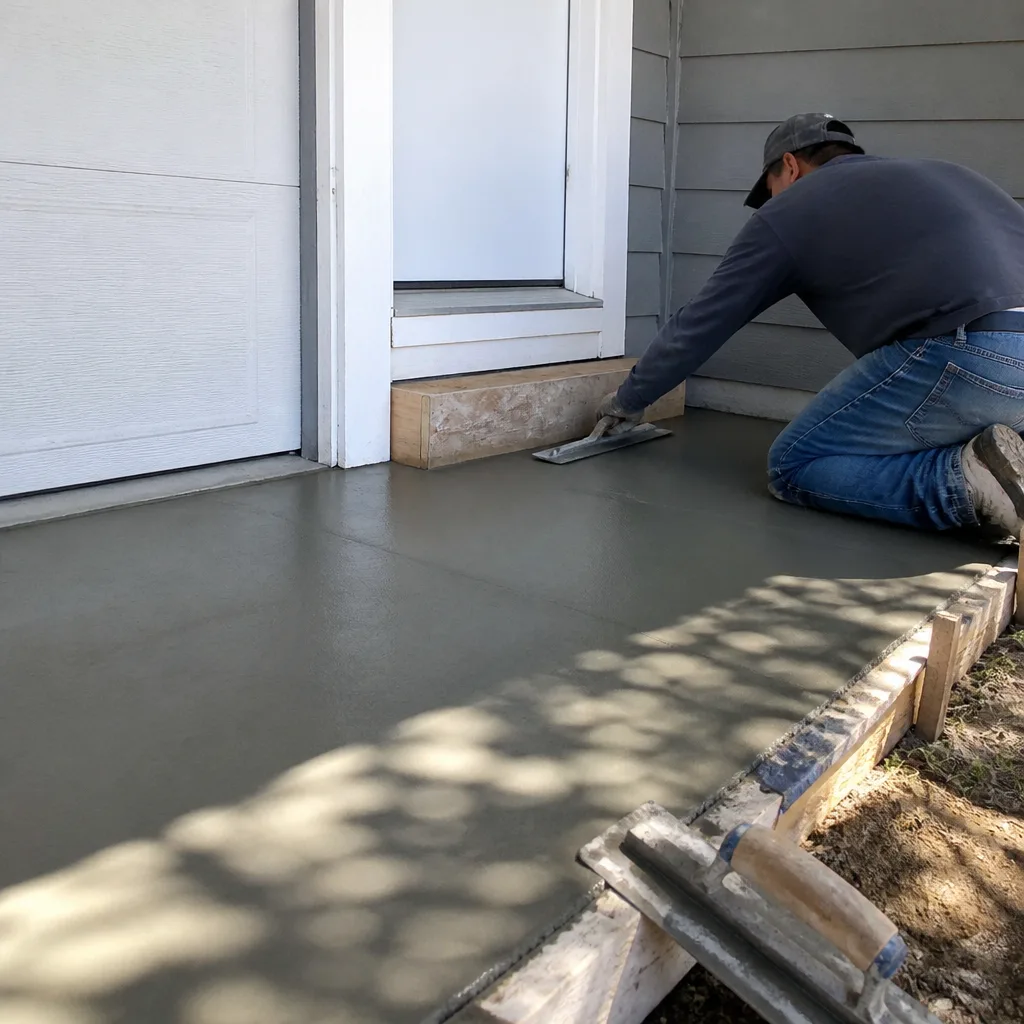
- Hardscaping: Techo-Bloc and Cambridge Pavers for paver driveways and walkways with Unilock as an additional option; Quikrete and Oldcastle products for retaining wall and concrete work
- Fencing: Master Halco or Ameristar for steel and wood fence systems with proper post specifications
Brand access also gives you an honest conversation about material tiers. Most San Mateo homeowners want a mix: premium in the kitchen, practical in the guest bath. A GC with flexible brand relationships can help you make those calls without pushing you toward whatever happens to be available in the warehouse that month. The goal is a curated selection process, not a sales pitch.
This applies to home renovation projects in San Mateo at every scale, from a single bath update to a full exterior-to-interior remodel. The materials you choose are the tangible output of the entire project. Brand breadth means you choose from options, not leftovers.
Why Scope Breadth Matters More Than Bid Price
Here’s a scenario we see regularly in San Mateo. A homeowner gets three bids on a full home remodel. One bid is materially lower. The homeowner chooses that bid. The project starts, and then the change orders begin. The exterior stucco wasn’t included in the original scope. The drainage work wasn’t included. The permit fees were estimated, not included. The homeowner ends up paying more than the higher bid would have cost, and the project took four months longer.
Scope breadth, meaning what is actually covered under one contract, is often the difference between an honest bid and a lowball. A true full-scope GC covers exterior systems, structural work, and interior finishes under one master contract. That includes roofing, windows, siding, hardscaping, fencing, kitchen, baths, flooring, and, where relevant, ADU construction. When one team manages from roofline to foundation, the sequencing is integrated, the trades are coordinated, and the permit set is complete.
This is why the San Mateo Construction model prioritizes scope breadth over bid-price competition. We’d rather lose a bid to a lower number than win a project where the scope is incomplete and the homeowner gets surprised later. The brand portfolio exists to support this breadth: when a homeowner wants a paver driveway with Techo-Bloc or Cambridge product, we can do it. When they want a James Hardie siding replacement tied into a re-roof with GAF or Owens Corning shingles, one contract covers both. When they want a kitchen remodel with Cambria countertops and KraftMaid cabinets, that’s in the same scope. These are not separate vendors. That’s the model.
Ask any GC you’re considering this question directly: “What’s in the scope, and what’s not?” Then read the answer against the contract. Breadth of scope in the bid means fewer surprises down the road.
Common Mistakes to Avoid
- Hiring a specialty contractor for a whole-home project. A roofer is not a general contractor, and neither is a kitchen remodeler. If your project spans multiple trades, hire a licensed B-license GC. Hiring specialists for a multi-system remodel means you become the project coordinator, and you take on the liability for coordination errors.
- Skipping the permit on a remodel in San Mateo. Unpermitted work is common in this market, and it comes back to bite you when you sell. San Mateo buyers and their inspectors know what to look for. Unpermitted work can delay or kill a sale.
- Signing a contract without a written scope of work. The contract should list every deliverable in detail. “Kitchen remodel” is not a scope. “Demolition of existing cabinets, installation of KraftMaid cabinetry, Cambria countertop fabrication and installation, plumbing fixture replacement with Delta or Kohler product, permits and inspections” is a scope.
- Accepting the lowest bid without understanding the scope gap. Low bids in San Mateo usually mean something is missing. Find out what it is before you sign.
- Ignoring drainage and geotechnical conditions on hillside lots. San Mateo’s hillside homes have specific drainage requirements that affect foundations, retaining walls, and exterior hardscaping. A GC who doesn’t address drainage up front is setting you up for water problems later.
- Assuming the GC’s “we handle everything” means they self-perform everything. As we covered at the top, specialty trades require licensed subs. What you want is a GC who manages everything, not one who illegally performs work outside their license.
- Choosing materials without considering San Mateo’s climate. Coastal fog and moisture mean specific material choices for siding, windows, and exterior trim. A GC who works this market will recommend materials appropriate for the microclimate in your specific neighborhood, not generic product picks.
When to Call a Professional
Any project that touches structure, envelope, or multiple trades warrants a professional general contractor. That includes additions, kitchen or bath remodels that move plumbing or load-bearing walls, re-roofing, window replacement, siding installation, deck construction, and any ADU build. Also call a pro when your project will require permits. San Mateo’s building departments process thousands of permit applications a year, and navigating plan review without experience will cost you time and money. San Mateo Construction offers free estimates in San Mateo and can walk your property to assess scope, identify permit requirements, and discuss material options from roofline to foundation. Call (855) 901-7266 to schedule.
Frequently Asked Questions
A general contractor manages the entire remodeling project: planning, permits, subcontractor hiring and coordination, material procurement, scheduling, inspections, and quality control. The GC holds the master contract and is accountable for the finished result, even when specialty trades like electrical or plumbing are performed by licensed subcontractors.
General contractor fees in San Mateo typically range from 15% to 25% of the total project cost, depending on scope complexity. For a full home remodel, total project budgets often run $150,000 to $400,000 or more. The GC’s fee covers project management, coordination, and risk. Call (855) 901-7266 for a free estimate tailored to your specific project.
A full home remodel in San Mateo typically takes 4 to 9 months, depending on scope, permit review timelines, and material lead times. Hillside projects and ADU additions add time because of geotechnical review. Projects that trigger full plan review at the San Mateo permit office take longer than over-the-counter permit scopes.
Yes, if you are moving plumbing or electrical, altering load-bearing walls, or changing the footprint of the space. A kitchen remodel that only replaces cabinets and countertops in the same locations may not require a permit, but any change to the underlying systems does. Your GC should verify permit requirements during the initial walkthrough.
A B-license (General Building Contractor) authorizes the holder to contract for and manage projects involving multiple trades. C-licenses (specialty contractors) authorize specific trades like electrical (C-10), plumbing (C-36), HVAC (C-20), or roofing (C-39). For whole-home projects in San Mateo, a B-license GC is the right choice, and they will bring in licensed C-class subs for specialty work.
Yes. ADU construction falls under a general contractor’s scope, and San Mateo County has specific ADU permit processes with expedited review timelines in some cases. A GC with prefab and ADU manufacturer relationships, like San Mateo Construction’s partnerships with Abodu, Dvele, and Plant Prefab, can offer options beyond traditional stick-built construction.
Ask about their San Mateo project experience, their sub roster (how many trades and how many options per trade), their material supplier relationships, their permit process, their change order protocol, and their references from similar projects in your neighborhood. The answers will tell you whether you’re talking to a true whole-home GC or a remodeler with a limited scope.
The Bottom Line
The general contractor you hire in San Mateo is either your single point of accountability for the entire project or a pass-through with limited control. The difference is in the license structure, the contract language, the sub roster, and the material relationships. A B-license GC with full-scope capability manages every trade from roofline to foundation under one contract. A shallow-roster remodeler leaves gaps that become your problem. When you’re comparing bids, compare scope, not just price. When you’re evaluating leads, ask about local experience with San Mateo’s older housing stock and hillside lots. For more guides & resources, visit our blog. And when you’re ready to talk specifics, call San Mateo Construction at (855) 901-7266 for a free estimate. We’ll walk the property, map the scope, and put the plan in writing.
Written by the team at San Mateo Construction, serving San Mateo since 2018.
See the difference
 Before
 After
 Before
 After
 Before
 After