
Last updated October 31, 2026
 Kitchen remodeling
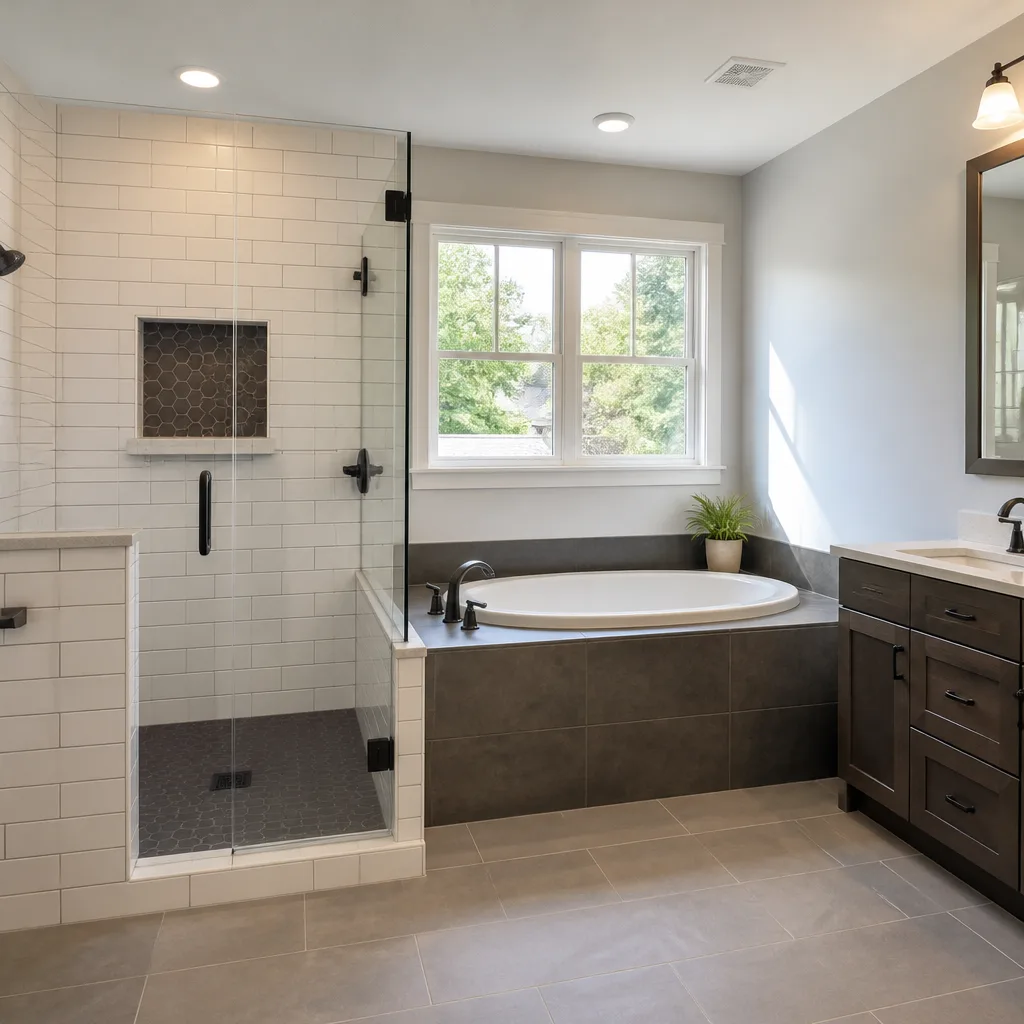 Bathroom remodeling
 Home additions & ADU
 Roofing
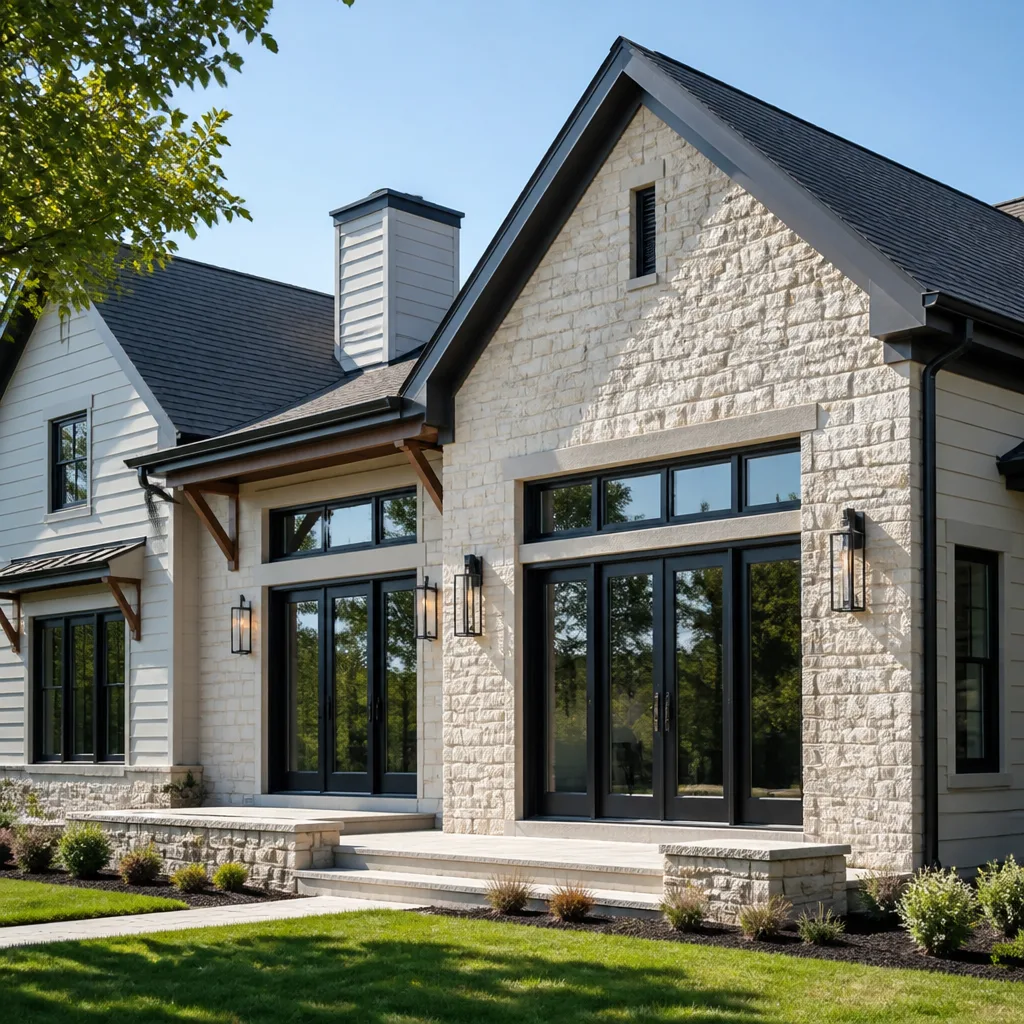 Windows & doors
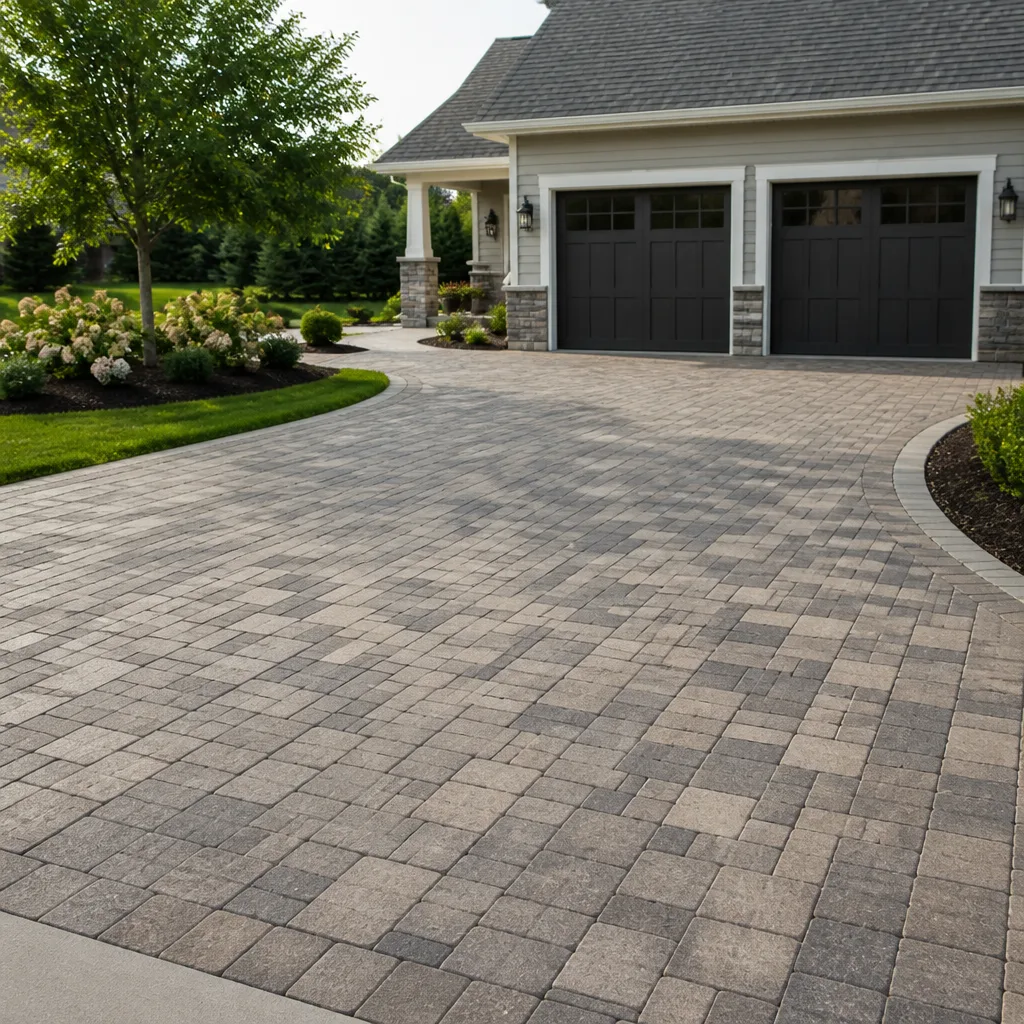 Driveway & pavers
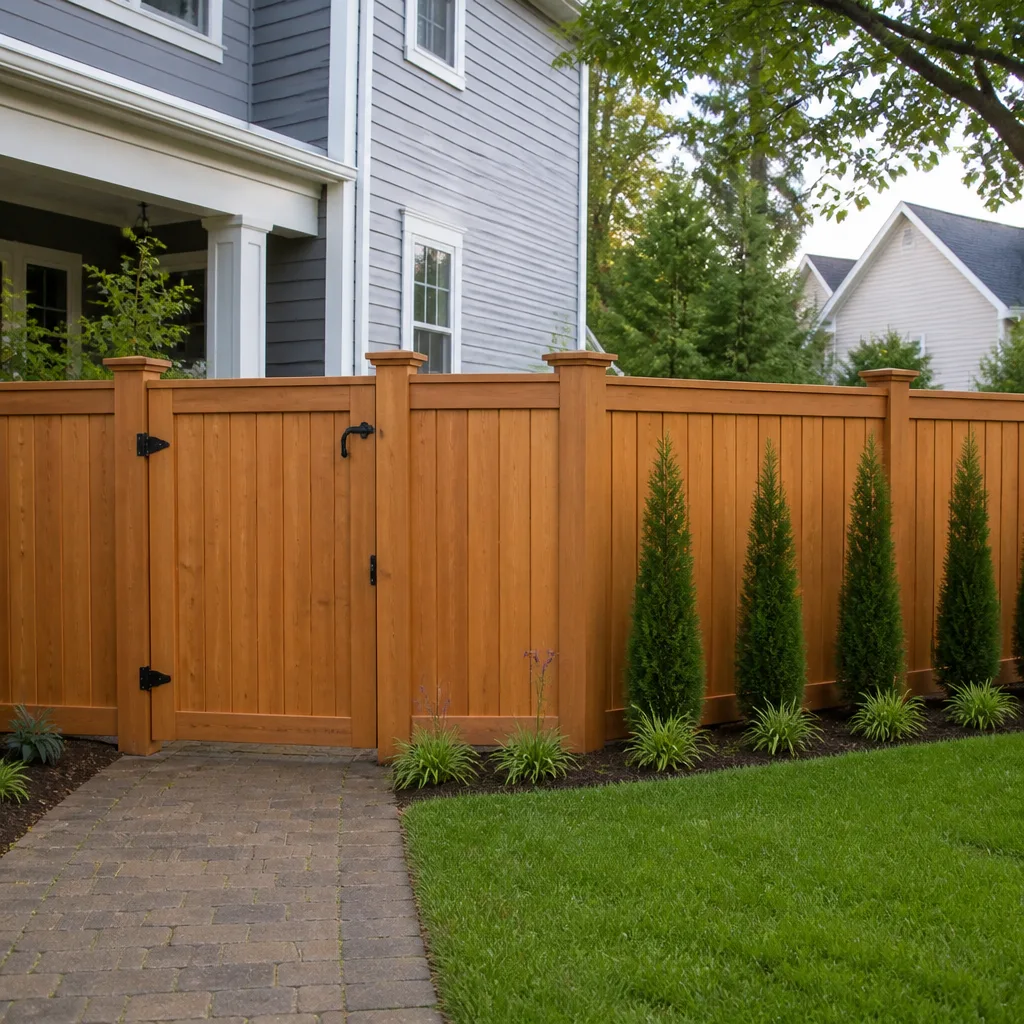 Fence
Free written scope consultation - allowances, timeline, and change-order rules on paper before a single trade is scheduled
How to Hire a Construction Contractor in San Mateo: A Step-by-Step Guide
Here’s a counterintuitive fact about San Mateo’s renovation market: the most expensive contractor mistake isn’t hiring a bad contractor. It’s hiring a perfectly good specialist for a scope that quietly touches three other systems. A roofing tear-off that reveals rotted fascia. A kitchen remodel that exposes substandard wiring from a 1970s addition. A window replacement that uncovers water intrusion behind the stucco. Suddenly the roofer can’t touch the framing, the cabinet installer won’t touch the electrical, and you’re three bids deep with no single person accountable. This complete general contractor guide for San Mateo homeowners walks through exactly how to hire the right kind of contractor, what to verify before you sign, and how to structure a contract that doesn’t fall apart when scopes overlap.
Quick Answer
To hire a construction contractor in San Mateo, first determine whether your project needs a B General Building license or a specialty C-classification, then verify the license on the CSLB website, get three itemized bids, check local references, and sign a contract with a clear payment schedule, permit responsibilities, and written change-order procedures. For multi-system work like a kitchen remodel or ADU, a single general contractor with brand-level material access and full exterior-to-interior scope is the most accountable path; see our guide to choosing the right construction brand in San Mateo for what that access means for your project.
Styles & brands we work with
Table of Contents
- Step 1: Understand Which Projects Require a Licensed General Contractor
- Step 2: Read the License Lookup Correctly
- Step 3: Shortlist and Interview Contractors in San Mateo
- Step 4: Ask Walkthrough Questions That Reveal How a Contractor Handles Scope Gaps
- Step 5: Structure a Multi-System Contract for Single-Point Accountability
- Step 6: Know What a Realistic Payment Schedule Looks Like in San Mateo
- Step 7: Understand San Mateo Permit and Code Reality
- Common Mistakes to Avoid
Step 1: Understand Which Projects Require a Licensed General Contractor
Not every project in San Mateo needs a B General Building contractor. And paying for coordination you don’t need is as wasteful as underpaying for coordination you do. The distinction matters because it determines who holds legal responsibility, who pulls permits, and who resolves disputes when two scopes conflict.
A General Contractor in San Mateo with a B license handles projects that span two or more unrelated trades. Think of a bathroom remodel that involves plumbing, electrical, tile, and carpentry. Or an ADU that requires foundation work, framing, roofing, electrical, and finishes. The B license is the broad authorization to coordinate and manage those separate scopes.
Specialty C-classification licenses cover single trades. Here’s where San Mateo homeowners get into trouble:
- C-39 Roofing: A roofer can replace shingles, underlayment, flashing, and decking directly beneath the roof. They cannot legally reframe a rotted rafter tail or replace structural fascia. If tear-off reveals framing damage, you need a separate framing contractor or a general contractor who can absorb the discovery.
- C-54 Tile: A tile contractor can set tile and backer board. They cannot legally move a drain line if the new shower pan doesn’t line up with the existing plumbing.
- C-36 Plumbing: A plumber can repipe, set fixtures, and move drains. They cannot cut structural studs to run the new line. That’s framing.
- C-17 Glazing: A window installer can replace windows. They cannot remediate water damage discovered behind the old frame. That’s a separate trade, and most window-only contractors won’t touch it.
In our experience in the San Mateo market, the projects that most often start specialty and end structural are exterior ones. Roofing, window replacement, and siding work on homes built before the 1980s frequently reveal conditions that require general contractor authority. That’s why we structure our home remodeling in San Mateo projects as full-scope engagements when the work touches building envelope: one contract, one accountable party, and the authority to address what’s found behind the wall without a separate contract negotiation.
The honest test: if your project touches more than one trade, or if discovery is likely, you need a B-licensed general contractor. If it’s genuinely one system with a clean scope, a specialty contractor is the correct hire.
Step 2: Read the License Lookup Correctly
Every licensed contractor in California appears in the Contractors State License Board (CSLB) lookup. But most San Mateo homeowners check the license number and stop. The classification line is where the real information lives, and misreading it is how people hire a roofer to do structural work or a painter to do waterproofing.
Here’s what to actually verify on a CSLB lookup before you invite anyone to walk your property:
- Classification matches the scope. A B General Building license is the correct authorization for any project spanning multiple trades. A C-39 is roofing only. A C-36 is plumbing only. If you tried to hire a C-39 for a full exterior remodel including siding and windows, the work would be outside their license.
- License status is Active, not Suspended or Expired. This is a two-second check that filters out a surprising number of bids.
- Bond is current. California requires a $25,000 contractor bond. If the bond is cancelled, the license is suspended even if it says Active. The CSLB lookup shows bond status.
- Workers’ compensation insurance is listed. If the contractor has employees, workers’ comp is mandatory in California. A contractor who shows “0 employees” but brings a crew of four to your site is a liability flag.
- The license has existed for at least a few renewal cycles without complaint patterns. The CSLB records judgments and license actions. Read them. A single dispute isn’t disqualifying; a pattern of unbilled work, abandonment, or deposit disputes is.
San Mateo sits in a high-demand market, which means the contractor pool includes plenty of legitimate operators and a steady supply of license-borrowing arrangements. One specific red flag: a bid that comes from a company whose license belongs to a person who isn’t the person standing in your kitchen. Ask directly: “Whose license is this work being performed under, and is that person the one managing my project?” If the answer is evasive, walk.
The classification question also exposes a subtle issue with “design-build” firms. Some San Mateo design-build companies hold only an architectural license and subcontract all construction. Others hold a B license and employ their own carpenters. Both models can work, but the contract structure is different. Confirm who holds the building permit as the responsible party before comparing their bid to a traditional general contractor’s.
Step 3: Shortlist and Interview Contractors in San Mateo
You want three bids, but not from three random names. The shortlist process in San Mateo should filter for two things before price ever enters the conversation: licensing alignment and project-type experience.
Here’s the sequence we recommend:
- Pull five names from three source types: personal referrals from neighbors whose projects you’ve seen, the CSLB license search for San Mateo-area B-licensed contractors, and local permit records (visible on San Mateo’s online permit portal) showing who actually pulled permits for comparable projects.
- Verify all five licenses as described above. This will usually eliminate two.
- Call the remaining three and ask the same four screening questions: “What percentage of your current backlog is this type of project?” “Who is the day-to-day site supervisor, and is that person a company employee or a subcontracted lead?” “What’s your current start lead time for a project of this size?” “Can I visit a current job site and speak with the owner?”
- Eliminate anyone who will not answer all four directly. A contractor unwilling to let you visit a job site or name the actual site supervisor is telling you how the relationship will work once the deposit clears.
The permit-record step deserves more emphasis. San Mateo’s public records show which contractors are actually pulling permits, not just advertising. A company with no permit history for advertised project types is a warning sign. A company with consistent permit history in San Mateo neighborhoods like Baywood, Aragon, and Shoreview demonstrates familiarity with local plan check expectations and inspection quirks.
One factor specific to this market: San Mateo’s older housing stock means remodels frequently involve unpermitted work from previous decades. A contractor who has worked in San Mateo for years has dealt with the city’s process for bringing legacy unpermitted work into compliance. That’s not something a contractor new to the city figures out on your project. Ask directly: “Have you handled unpermitted existing conditions with San Mateo Building? What does that process look like?”
The interview should also cover material sourcing. A contractor’s brand relationships tell you how the project will go once work begins. At San Mateo Construction, we carry relationships with over 50 manufacturers so the material conversation happens early and specifically: Kohler or Moen plumbing fixtures, Cambria or Caesarstone countertops, GAF or Owens Corning roofing systems. When a contractor can name material partners and lead you to specific selections rather than “whatever the showroom has,” you’re working with someone who manages procurement as part of the job, not an afterthought. For any home renovation in San Mateo, that procurement clarity is the difference between an eight-week kitchen and a six-month one.
Step 4: Ask Walkthrough Questions That Reveal How a Contractor Handles Scope Gaps
Most contractor walkthroughs consist of the contractor taking measurements and the homeowner describing what they want. Fine as far as it goes. But the walkthrough is your best chance to assess how a contractor thinks about scope gaps, change orders, and subcontractor accountability. The following questions get at that better than “how long have you been in business?”
Here’s what to ask during the walkthrough, and why each question matters:
- “What’s the most likely discovery on a project like this, and how do you typically handle it?” This reveals whether the contractor has actually done this project type before. A kitchen remodeler who shrugs and says “we’ll deal with whatever we find” is not the same as one who says, “On 1960s San Mateo kitchens, we typically find undersized wiring to the range and a cast-iron drain stack. We budget a discovery line for both and here’s how we price it if we find it.”
- “If two subcontractors disagree on a scope conflict, who resolves it and how?” The answer should be “me” or “my site supervisor” without hesitation, followed by a process. If the contractor says subcontractors work it out among themselves, what you’re actually hearing is that you’ll be the referee.
- “How do you price a change order?” Listen for a formula: cost plus a defined margin, with material and labor broken out, in writing, before work proceeds. A vague “we’ll be fair about it” is how a $75,000 project becomes $95,000.
- “What’s the written process for an unexpected condition and a stop-work?” The contractor should describe a process where work stops, you get a written description and a cost, and you approve before anything continues. If the answer is “we just keep moving to stay on schedule,” understand that the schedule is their priority, not your approval rights.
- “Who is liable for a subcontractor who damages my property or does defective work?” The contractor’s own license and bond should cover all subs. If the response contains any version of “well, that sub has their own insurance,” you’re looking at a contractor who will try to push disputes to a third party. The whole reason you hire a general is that they hold the bag.
Watch what the contractor writes down. Someone who takes no notes but promises a detailed bid is guessing. Someone who photographs, measures, checks attic access, inspects the panel, and asks about sewer line location is scoping against reality.
Also ask the contractor to walk you through a San Mateo project they completed that involved permit corrections or plan check revisions. Every substantive San Mateo remodel triggers at least one revision from the building department. A contractor who claims they never get comments from the city is either lying or has barely worked here.
Step 5: Structure a Multi-System Contract for Single-Point Accountability
Here’s the expensive reality: most contract disputes in San Mateo renovation projects aren’t about whether work was done. They’re about whose scope it was when two systems touch. The roofer says the drywall damage was the homeowner’s responsibility. The drywaller says the roofer didn’t flash correctly. You’re in the middle holding two bills.
The fix is a contract structure that assigns a single accountable party for the entire interacting scope. That’s the structural advantage of hiring one general contractor for work that spans envelope, structure, and interior.
A solid multi-system contract includes these elements:
- A written scope of work with material specifications by brand and model, not just “quality comparable.” “Kohler Purist wall-mount faucet, brushed nickel finish” is enforceable. “High-quality faucet” is a dispute waiting to happen.
- A discovery and allowance line item. Specify an amount held in the contract for unknown conditions, with a written process for how it’s drawn down and at what margin.
- Subcontractor identification by trade. You should know who will perform electrical, plumbing, roofing, and tile work before you sign, and that the general contractor remains legally responsible for all of it.
- A change-order clause requiring written approval before any extra work proceeds. Oral agreements are how projects drift. If it’s not in writing and signed, it didn’t happen.
- Permit fee and inspection scheduling responsibility stated explicitly. Some bids in San Mateo exclude permit fees to look cheaper. That’s either a red flag or an explicit cost you need to know about before comparing bids. Lay out who pays for permits, who schedules inspections, and what happens if an inspection fails.
- A dispute and stop-work clause. This defines what happens when a disagreement arises: how notice is served, what the mediation or arbitration path looks like, and what rights either party has to suspend work.
- Warranty terms by work category, with start dates. Roofing underlayment and shingles carry manufacturer warranties. Workmanship from the contractor should carry its own written warranty with a defined term and response protocol.
For a whole-home project that runs from roof to kitchen to paver driveway, a single contract with one responsible party is worth real money. It’s the structural difference between a coordinated project and a negotiation between trades. One contractor, every system, one written scope. That’s what we provide at San Mateo Construction, and it’s the framework this guide exists to help you demand from anyone you hire.
Step 6: Know What a Realistic Payment Schedule Looks Like in San Mateo
Contractor payment schedules in California are regulated. The state caps upfront deposits and progress payments. But beyond the legal limits, the structure of a payment schedule tells you a lot about who you’re dealing with.
California law limits down payments to the lesser of 10% of the project cost or $1,000. Any contractor asking for more as a deposit is outside the law, full stop. After the deposit, payments must be tied to completed work or delivered materials.
Here’s what realistic schedules look like at different San Mateo project levels:
- Under $50,000: Expect a schedule tied to milestones: deposit, rough work complete, finish work complete, final walkthrough and retainage release. Payment at each milestone should represent work actually visible and inspectable. A bathroom remodel in this range might have four to six payment points.
- $50,000 to $150,000: This is the range of substantial single-area remodels: kitchens, primary suites, or one major exterior system plus an interior scope. Expect six to eight payment points, each tied to a defined deliverable. Material deposits for cabinetry and special-order items are normal, but those should be documented, and the deposit should go directly to the supplier or be traceable. For cabinetry, we help homeowners specify KraftMaid or Wellborn cabinet lines on paper before any order is placed, so the payment is tied to an actual purchase order you’ve reviewed.
- Over $150,000: Whole-home renovations, multi-system exterior work, or ADU construction. Expect milestone-based payment with defined triggers: foundation complete, framing inspected and passed, rough mechanicals inspected and passed, drywall complete, finishes installed, final inspection signed. Ten to fourteen payment points is not unusual. A 10% retainage held until final inspection and punch list completion is standard at this level.
Red flags in the payment conversation: a contractor who wants disproportionate early payments without corresponding completed work, who asks for all material costs upfront without supplier documentation, or who offers a discount for cash payment outside the contract. On that last one, California law treats verbal construction contracts as unenforceable for work over $500, and a contractor who wants to operate outside written documentation is a contractor whose other compliance you should question.
For ADU work in particular, which often runs over $200,000 in San Mateo, financing and disbursement through a construction lender changes the schedule. Lenders typically release payments based on inspections. Make sure your contractor is prepared for that process before you sign, because it imposes a rigor that cash projects sometimes skip.
Step 7: Understand San Mateo Permit and Code Reality
San Mateo has its own building department with its own plan check timelines and inspection standards. If you’ve read general advice about “pulling permits,” understand that the San Mateo-specific reality is more particular.
Here’s what actually matters for a San Mateo homeowner:
- Permit lead times vary by scope. A simple water heater replacement permit moves differently than a kitchen remodel with structural changes or an ADU. Your contractor should quote realistic permit timelines and build the holding period into the project schedule, not treat it as an afterthought.
- San Mateo plan check frequently produces revision cycles. Contractors who work regularly in San Mateo plan for one or two rounds of comments. Those who don’t treat the process as “the city is being difficult” and bill you for the delay.
- Unpermitted previous work is common in San Mateo’s older housing. Homes in neighborhoods like North Central and San Mateo Park often carry decades of additions, conversions, and electrical modifications done without permits. If your remodel touches any of it, the building department may require bringing it into current code compliance as a condition of the permit. A contractor who understands this goes in with eyes open and budgets for it.
- Some projects trigger broader requirements. A new ADU in San Mateo may require sewer lateral compliance, fire sprinkler retrofits depending on existing conditions, and energy calculations under Title 24. Your contractor should know these triggers before they bid.
The permit holder is the responsible party. Always be clear that the contractor, not you, holds the permit in their name and schedules inspections. That’s a core accountability function of the general contractor role. When you hire a firm like San Mateo Construction, the permit process, inspection scheduling, and compliance corrections are part of the contract scope, not a separate chore for the homeowner.
Common Mistakes to Avoid
- Comparing bids that don’t include the same scope. In San Mateo’s busy market, suppressed bids are common. If three bids on a kitchen remodel differ by 40%, you’re not seeing three different prices for the same kitchen. You’re seeing three different kitchens. Compare line items, not bottom lines.
- Hiring a specialty contractor for a multi-system scope. A roofer can replace a roof. They cannot manage the drywall repair, insulation, and gutter replacement that the roofing project creates. The moment the scope spans trades, a B General Building license is the correct tool.
- Setting a payment schedule tied to calendar dates instead of milestones. Payment should follow completed work that you can see. Tying payments to “end of month three” means you pay while the project is stalled and lose your only real leverage.
- Signing a contract with no written change-order process. Most cost overruns in San Mateo remodels are not discoveries. They’re drift, approved informally during site visits, priced after the fact, and argued about at the end.
- Accepting a bid that excludes permit fees without it being explicit. If a contractor says “permits are extra” and doesn’t tell you how much “extra” means before you sign, that’s a door left open. Demand the actual permit cost estimate in the bid.
- Letting the project start before material selections are finalized. In San Mateo’s supply environment, special-order materials (cabinetry, windows, some tiles, plumbing fixtures) have real lead times. Starting demolition before selections are made converts lead times into schedule gaps. You’ll be living in a torn-out kitchen for six weeks instead of two.
- Choosing the contractor who can start this week. Busy, licensed, competent contractors in San Mateo rarely have immediate capacity. A sudden opening is either a cancelled project (worth asking why) or a contractor whose pipeline is thin. Neither is automatically disqualifying, but both are worth understanding before you commit.
See the difference
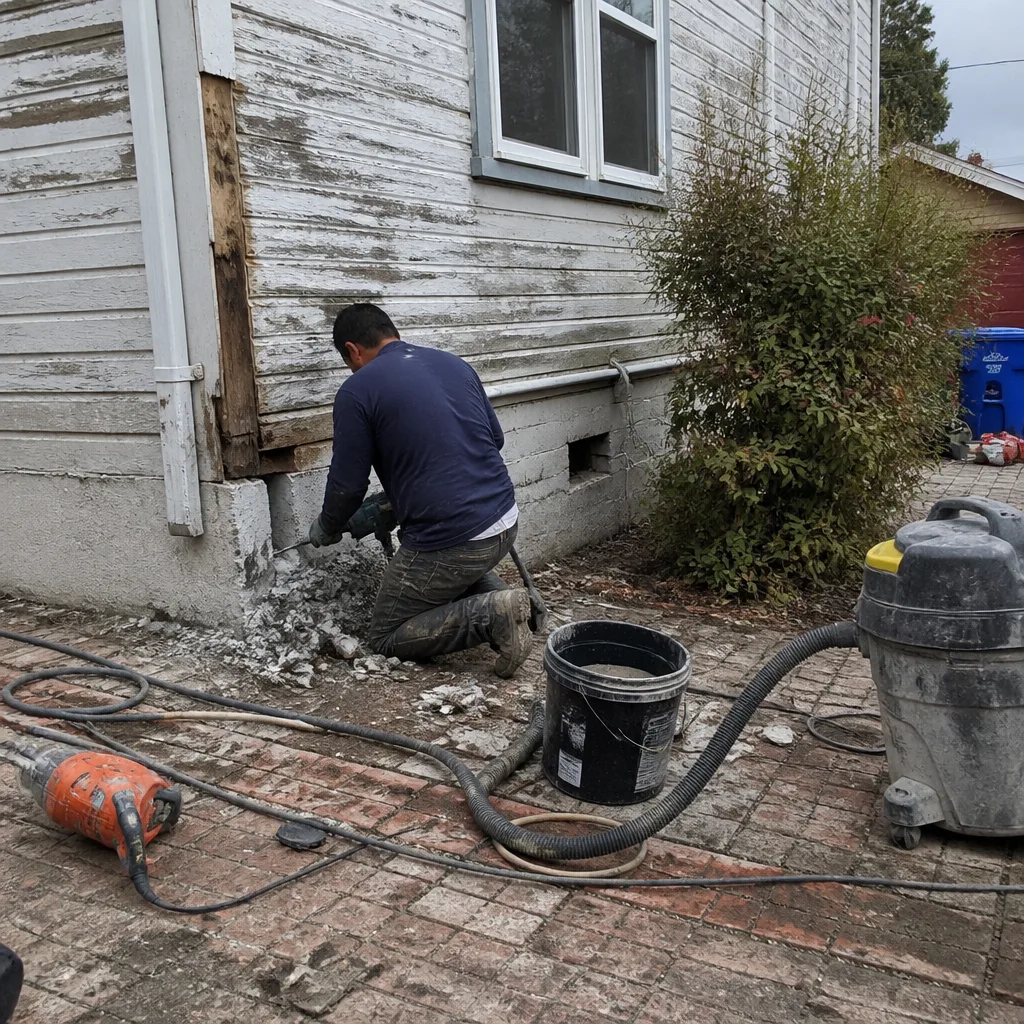 Before
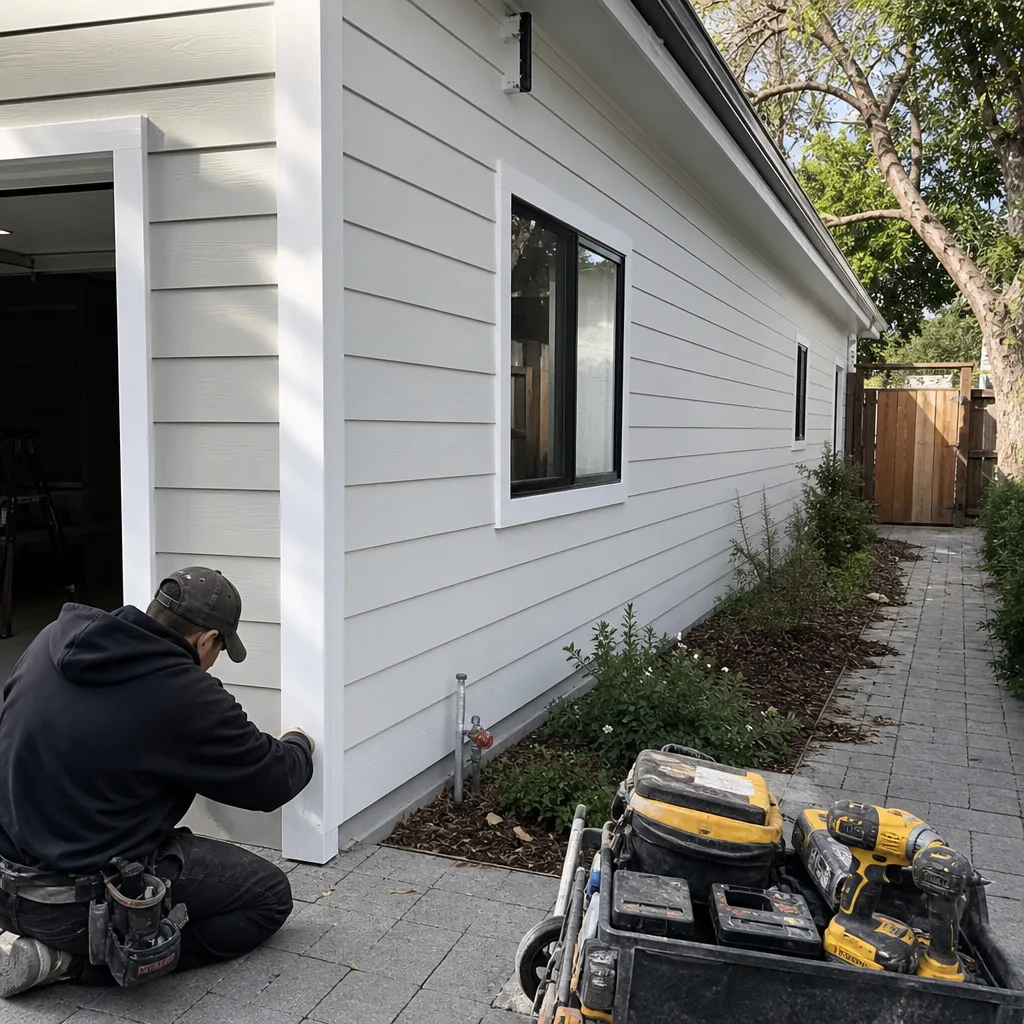 After
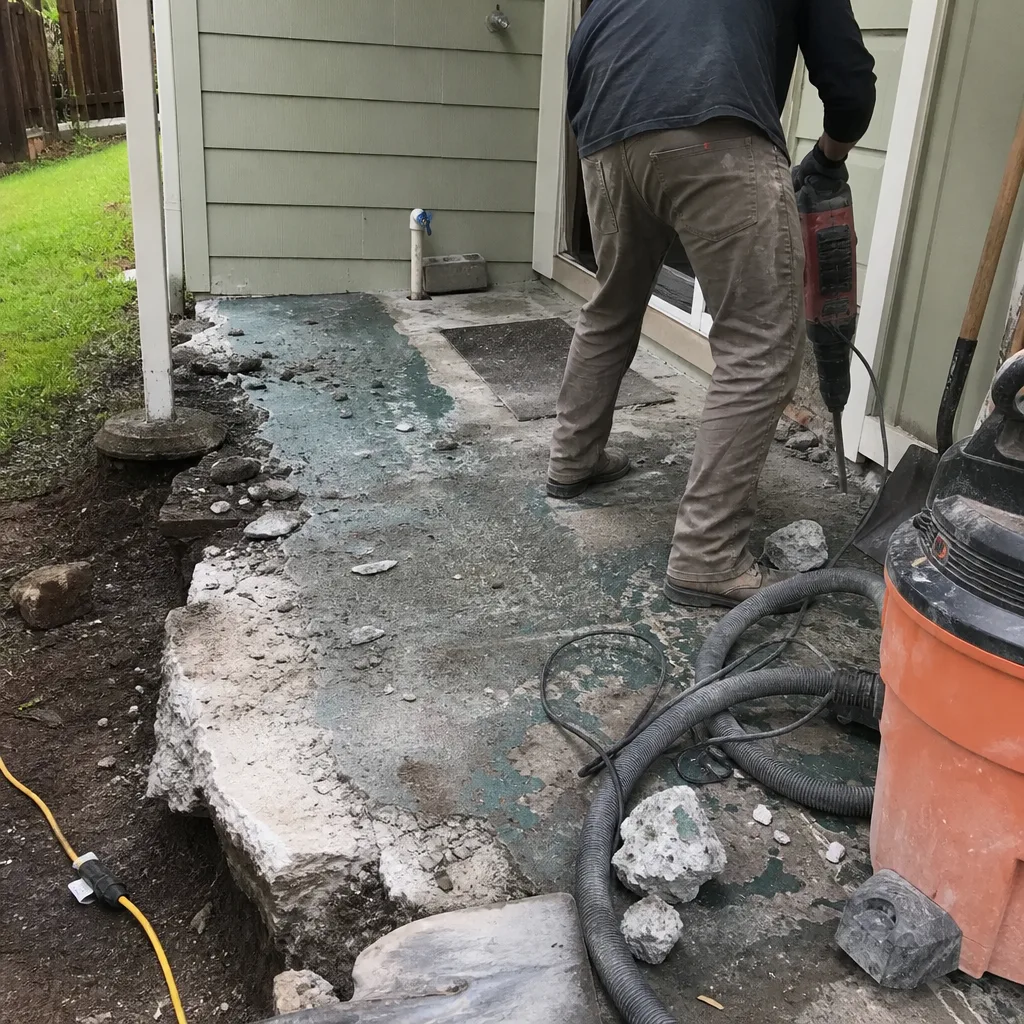 Before
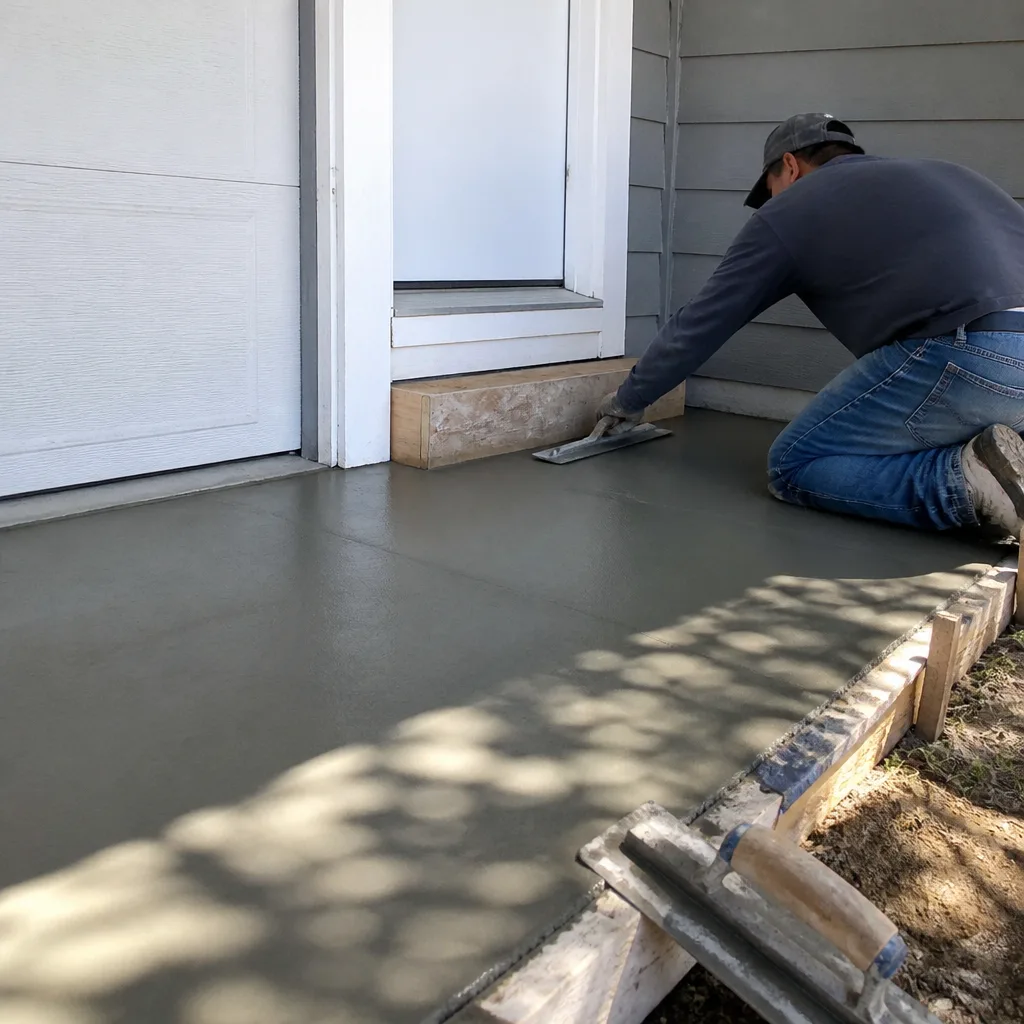 After
 Before
 After
When to Call a Professional
If you’re planning a San Mateo project that touches more than one trade, involves the building envelope, or requires permits, the professional conversation should happen before you start assembling bids from specialty contractors. A kitchen remodel, bathroom renovation, roof replacement with any structural discovery, window replacement on an older home, or any ADU project warrants a B-licensed general contractor from the start. Starting with the right classification saves you the costly mid-project discovery that this guide and our Seasonal Construction Care for San Mateo resources exist to prevent. San Mateo Construction offers free estimates in San Mateo – call (855) 901-7266 to discuss your project scope and get a written proposal structured for single-point accountability.
Frequently Asked Questions
Look up the contractor on the California Contractors State License Board website using their license number or business name. Confirm the license is Active, the classification matches your project scope (B General Building for multi-trade work), the bond is current, and workers’ compensation insurance is listed if they employ workers. This check takes five minutes and filters out most of the problem bids in the San Mateo market.
A complete San Mateo bid includes a line-item scope of work with material specifications by brand and model, permit fee estimates, a discovery allowance, subcontractor identification by trade, said payment schedule, and a written change-order process. A bid that’s just a bottom-line number with a few bullet points is not a bid, it’s a placeholder. Call (855) 901-7266 if you’d like to see what a fully documented proposal looks like.
A full kitchen remodel in San Mateo, including permits, material lead times, demolition, rough work, inspections, and finishes, typically runs 10 to 16 weeks from signed contract to final inspection. The largest single variable is cabinetry lead time, which runs 4 to 12 weeks depending on the manufacturer and finish. Material selections made early in the process keep the schedule from slipping.
Yes, if you’re moving plumbing, altering electrical, changing the floor plan, or touching load-bearing structure, a permit is required in San Mateo. Cosmetic replacement of fixtures in their existing locations may not require a permit, but any contractor who tells you a remodel with scope changes doesn’t need one is either wrong or proposing unpermitted work. Unpermitted work becomes your problem when you sell the house.
A C-39 license authorizes roofing work only: shingles, underlayment, flashing, and direct roof decking. A B General Building license authorizes work across multiple trades, including structural framing and building envelope scope. If your roofing project reveals structural damage, a C-39 roofer cannot legally perform the repair, and a B-licensed general contractor is the correct party. For projects that touch the roofline and the interior below it, the broader license is the right tool.
San Mateo remodeling costs vary dramatically by scope. A single bathroom with mid-range materials might run $30,000 to $60,000. A full kitchen often lands between $70,000 and $130,000 depending on cabinetry lines, appliances, and structural changes. Whole-home renovations and ADUs range from $200,000 to over $400,000. The only way to get an accurate number for your house is a detailed scope review. Estimates are free at (855) 901-7266.
The Bottom Line
Hiring a contractor in San Mateo comes down to four decisions, made in order. First, know whether you need a B General Building license or a specialty C-classification, and verify that license on the CSLB registry. Second, interview contractors with questions that reveal how they handle scope gaps and subcontractor accountability, not just how long they’ve been in business. Third, structure the contract so one party is clearly accountable when scopes conflict, with a written change-order process and material specifications by brand and model. Fourth, set a payment schedule tied to completed milestones, never to dates. Get these four things right in San Mateo’s renovation market and the project has a structural integrity to it that no amount of careful material selection can substitute for. For more guides & resources on managing your project, explore our blog. Get them wrong and every other decision gets harder from there.
Written by the team at San Mateo Construction, serving San Mateo since 2018.