
Last updated October 31, 2026
 Kitchen remodeling
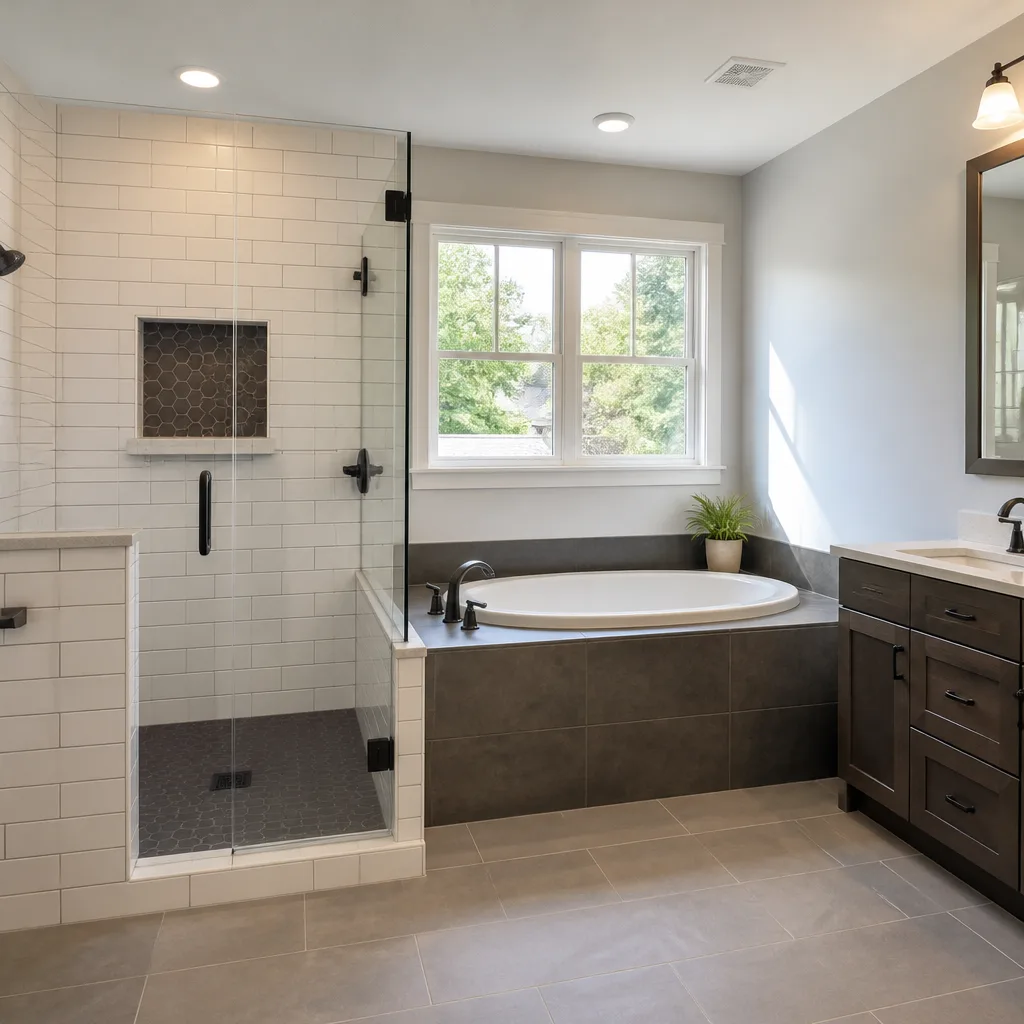 Bathroom remodeling
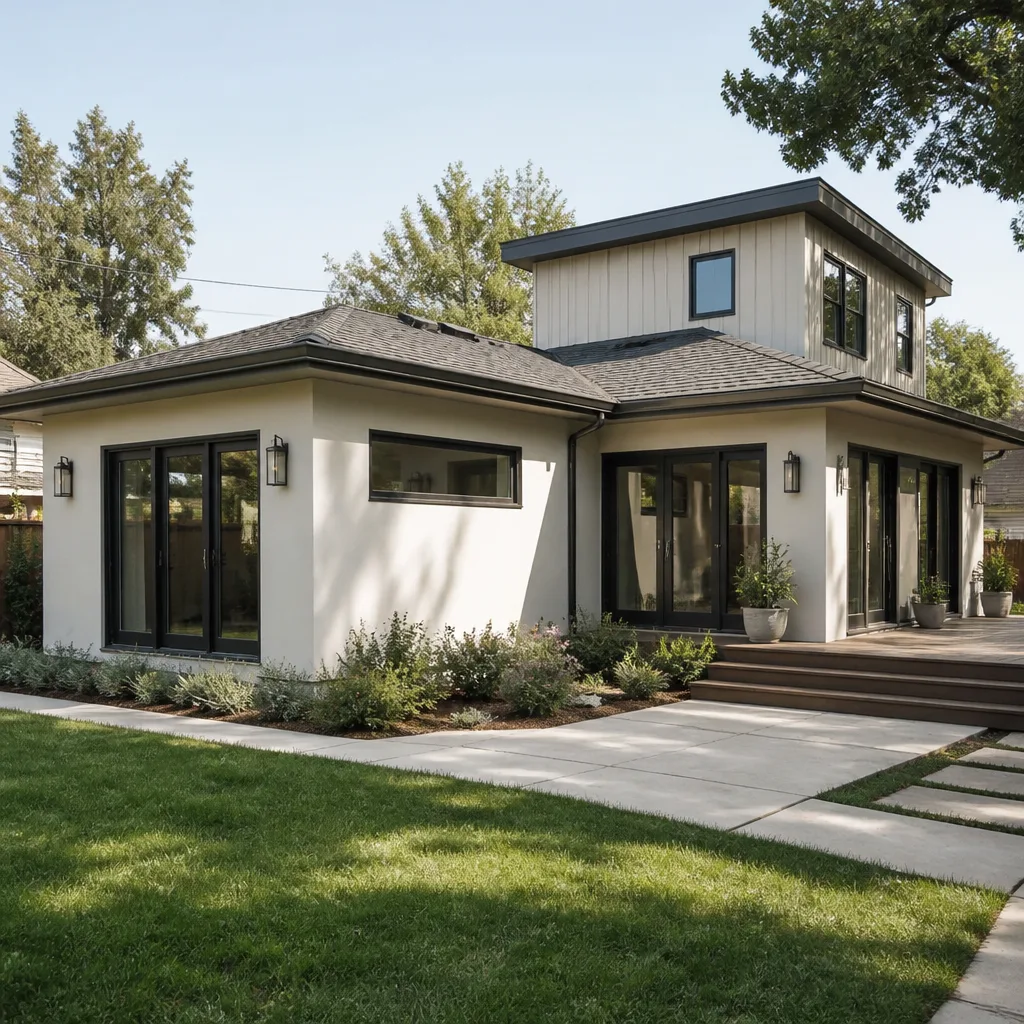 Home additions & ADU
 Roofing
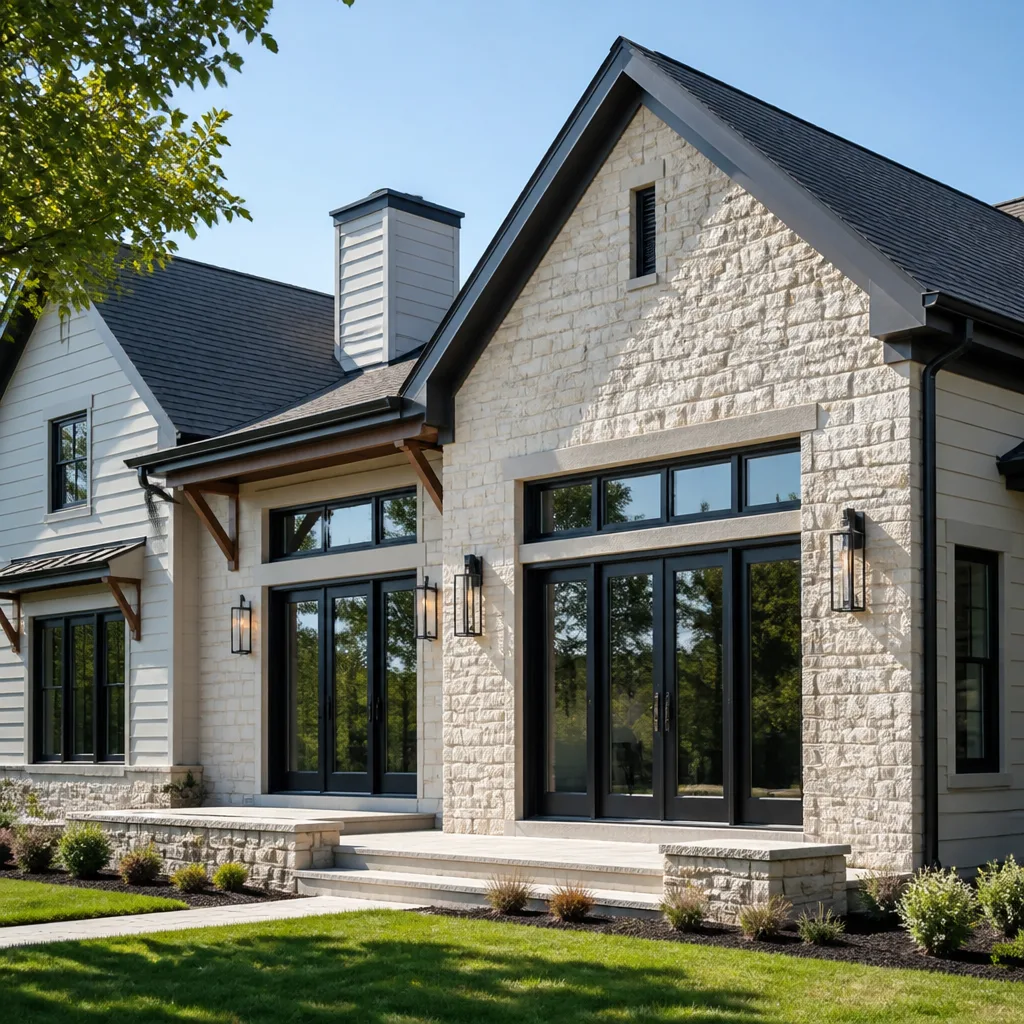 Windows & doors
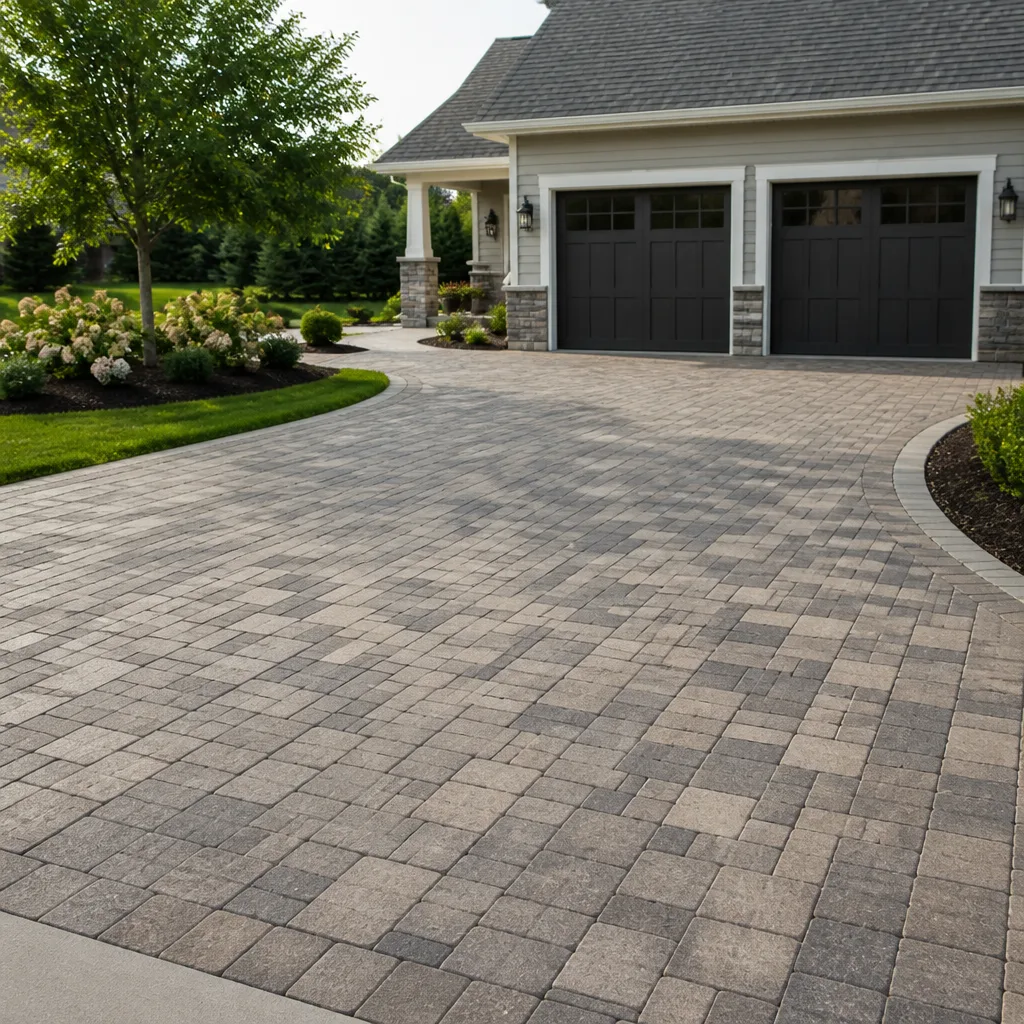 Driveway & pavers
 Fence
Free written scope consultation - allowances, timeline, and change-order rules on paper before a single trade is scheduled
Construction Permits, Codes & Inspections in CA: What You Need to Know
Unpermitted work is the single most common deal-killer in San Mateo real estate transactions. We’ve watched it happen dozens of times: a buyer makes an offer, escrow opens, the lender orders an appraisal, and someone notices the primary bathroom was renovated without a permit. The deal stalls. The seller drops the price by $40,000. Or the sale collapses entirely. And in nearly every case, the seller did the work years earlier because a well-meaning friend or a handyman told them a permit “wasn’t required for that.” This guide exists so you never end up in that position. You’ll learn exactly which projects trigger permits in California and specifically in San Mateo County, how the local permit process actually works, what inspections cost, what happens when unpermitted work gets discovered, and how to handle ADU permitting under the state laws that took effect in 2020.
Quick Answer
In California, most construction work that alters a building’s structure, electrical system, plumbing, or mechanical systems requires a permit from your local building department. In San Mateo County, a full kitchen remodel typically requires four separate permits: building, electrical, plumbing, and mechanical. Permits protect you financially because they create a paper trail that proves the work was done to code, which matters when you sell, refinance, or file an insurance claim.
Styles & brands we work with
Table of Contents
- Which Projects Require a Permit in San Mateo County (and Which Don’t)
- The Four Types of Permits: Building, Electrical, Plumbing, and Mechanical
- Navigating the San Mateo County Permit Portal: Timeline, Plan Checks, and Express Permits
- What Permits Actually Cost in San Mateo County
- When Unpermitted Work Is Discovered During a Sale: Your Legal Exposure
- ADU Permit Pathways in California: What Changed in 2020 and What San Mateo Adds
- California Building Codes and Inspections: What Actually Happens
- Common Mistakes to Avoid
- When to Call a Professional
- Frequently Asked Questions
Which Projects Require a Permit in San Mateo County (and Which Don’t)
California’s building code (Title 24 of the California Code of Regulations, specifically the California Building Code or CBC) sets the baseline. Every city and county then layers local amendments on top. San Mateo County follows this same pattern, and several of its incorporated cities, including the City of San Mateo, have their own building departments with specific interpretations.
The general rule is straightforward: if you are altering structure, changing electrical wiring, moving plumbing lines, or modifying mechanical systems, you need a permit. Cosmetic work does not require one. But the line between “cosmetic” and “structural” surprises homeowners constantly.
Work that requires a permit in San Mateo:
- Any wall removal, even a non-load-bearing partition, if it changes the building’s layout
- Window replacement when the opening size changes (same-size replacement windows are exempt)
- Roof replacement if you’re changing the roofing material type (composition shingle to tile, for example)
- Water heater replacement (this is a mechanical and plumbing permit)
- Electrical panel upgrades from 100 amp to 200 amp (electrical permit)
- Adding or relocating any electrical outlet, switch, or light fixture
- Moving a sink, toilet, tub, or shower drain line
- Adding a new gas line for a stove, dryer, or outdoor grill
- Converting a garage to living space, a bedroom addition, or a bathroom addition
- Any deck that attaches to the house or is over 30 inches above grade
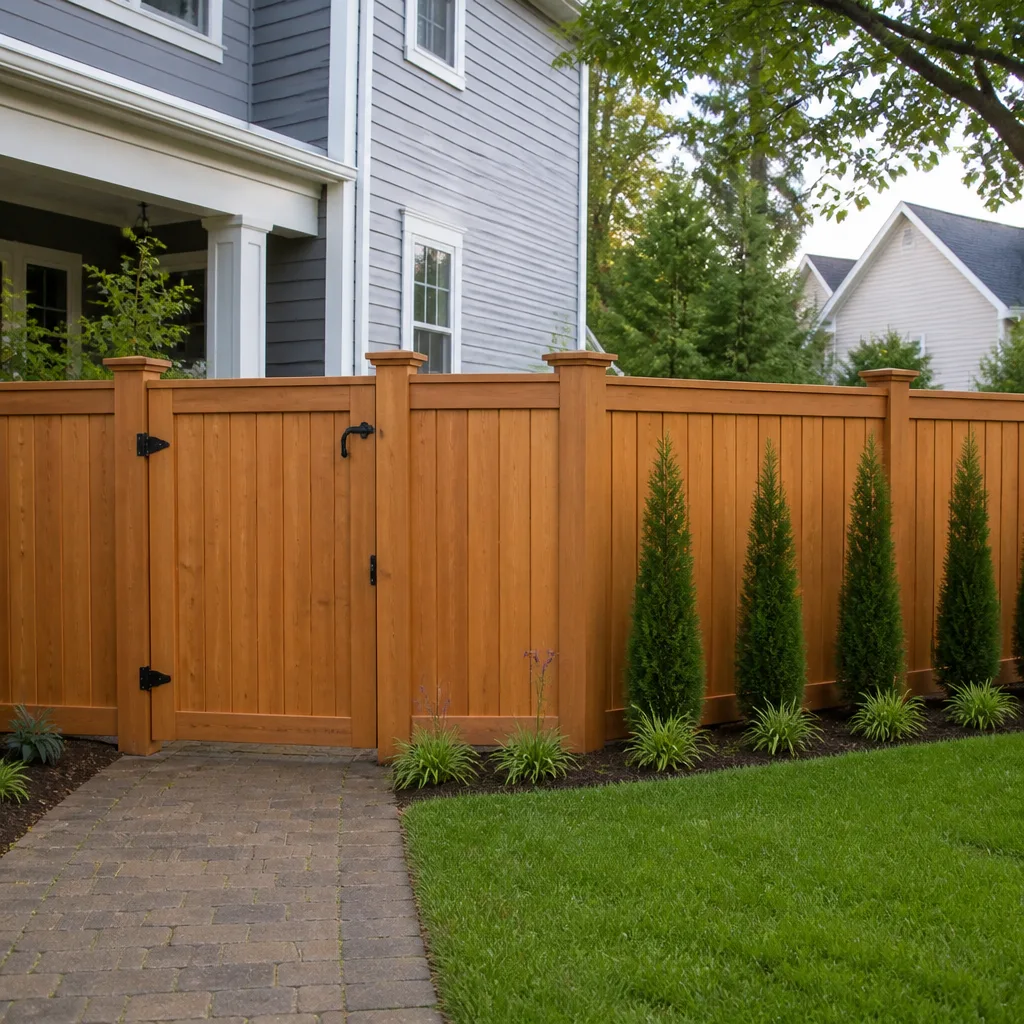
- New fences over 7 feet tall, or any fence in a front yard setback
- Replacing a furnace or installing an air conditioning system
- Cutting new door or window openings in exterior walls
- Adding a skylight or solar panels (solar has its own streamlined pathway, but still requires permitting)
Work that does NOT require a permit in San Mateo:
- Painting interior or exterior surfaces
- Replacing flooring (carpet, hardwood, tile, vinyl) without altering the subfloor
- Replacing cabinet doors and drawer fronts without moving the cabinet boxes
- Installing new countertops on existing cabinets
- Replacing a faucet, toilet, or sink in the same location
- Replacing light fixtures or switches without adding new wiring
- Caulking, weatherstripping, and minor drywall patching
- Replacing a fence in the same location with the same height and material
- Cosmetic tile work that doesn’t change the waterproofing membrane or wall structure
The countertops point trips people up constantly. Swapping laminate for quartz like Cambria or Caesarstone in a remodel does not need a permit if the cabinet bases stay put. But if you’re moving the sink location, adding a pot filler, or running new electrical for an island, you’ve crossed into permit territory.
One other nuance worth knowing: San Mateo County enforces California’s energy efficiency standards through the permit process. When you apply for a permit that touches the building envelope (windows, insulation, roofing), the reviewer will check compliance with Title 24 energy requirements. This is why a same-size window replacement can still get flagged if the new window’s solar heat gain coefficient doesn’t meet current standards.
The Four Types of Permits: Building, Electrical, Plumbing, and Mechanical
Homeowners often think of “a permit” as one thing. In practice, California building departments issue four distinct permit types, and a project that touches multiple systems triggers multiple permits. A full kitchen remodel in San Mateo typically requires all four.
- Building permit. Covers anything structural: walls, framing, foundations, shear panels, windows, doors, roofing, drywall, flooring systems. If you’re changing the building’s physical structure, this permit applies. The building permit is also the umbrella under which plan checks happen for structural calculations, energy compliance, and life-safety code review.
- Electrical permit. Covers any new or modified wiring, circuits, panels, outlets, switches, light fixtures, and hardwired appliances. In a kitchen remodel, this covers the new dedicated circuits for the refrigerator, the GFCI outlets near the sink, the under-cabinet lighting, and any new appliance circuits. San Mateo County follows the California Electrical Code (CEC), which is based on the National Electrical Code with California amendments.
- Plumbing permit. Covers any modification to water supply lines, drain lines, waste lines, gas lines, and venting. If you move a sink from one wall to another, that’s a plumbing permit. If you add a pot filler above the range, that’s also a plumbing permit because you’re tying into the existing supply lines. In a full remodel, moving a sink, adding a dishwasher, or relocating a washer-dryer hookup all trigger this permit.
- Mechanical permit. Covers heating, ventilation, air conditioning, and exhaust systems. A kitchen remodel triggers a mechanical permit when you install a range hood that vents to the exterior, add a new HVAC register, or replace the furnace. Bathroom remodels trigger one when you install a new exhaust fan. Water heaters, furnaces, and whole-house fans all live under this category.
Why does this matter for you? Because a contractor who tells you “we’re pulling one permit” for a full kitchen remodel is either being loose with language or cutting corners. Each permit carries its own inspection cycles. A kitchen remodel with all four permits will typically see at least eight separate inspections before final sign-off: framing inspection (building), rough electrical (electrical), rough plumbing (plumbing), rough mechanical (mechanical), insulation inspection (building), drywall inspection (building), final electrical, final plumbing, final mechanical, and final building. It sounds like a lot. It is. And it’s the system working correctly.
At San Mateo Construction, as a general contractor, we coordinate all four permit types under one contract. That’s the single biggest advantage of working with a GC instead of hiring four separate trades: each trade would pull their own permit, schedule their own inspections, and no one person would be accountable for making sure the inspections happen in the right order. The city doesn’t care who schedules the inspection; it only cares that the work passes.
Navigating the San Mateo County Permit Portal: Timeline, Plan Checks, and Express Permits
If your project falls within the City of San Mateo, you’ll work with the city’s building division, which uses an online portal for permit applications, plan submittals, inspection scheduling, and fee payment. Other cities in the county (Burlingame, Foster City, San Carlos, Belmont, Redwood City) have their own systems, and unincorporated areas go through San Mateo County’s building department directly. The process is similar across all of them.
Express permits vs. plan check permits
Some projects qualify for an “express” or “over-the-counter” permit, which means no plan review is required and you can get your permit the same day or within a few days. Express permits in San Mateo typically cover:
- Water heater replacements (same location, same type)
- Furnace or AC replacement (same unit type and location)
- Electrical panel upgrades (200 amp or less, no service relocation)
- Re-roofing with the same material type (composition shingle over composition shingle)
- Same-size window replacements
- Fence replacement where the location, height, and material don’t change
Projects that trigger a plan check include any work that changes the building’s footprint, alters structural elements, or modifies more than 50% of a building’s exterior surface. A full kitchen remodel that moves walls, changes plumbing locations, and rewires circuits will almost always require a plan check. An ADU always requires a plan check.
Realistic timeline expectations
Here’s what we tell our clients in San Mateo, based on hundreds of permit applications over the years:
- Express permit: 2 to 7 business days from application to issuance. Same-day issuance is possible if you submit in the morning with a complete application.
- Plan check for a remodel: 2 to 6 weeks for the first review cycle. If the reviewer returns comments, each resubmittal adds another 1 to 3 weeks.
- ADU plan check: 4 to 8 weeks under the streamlined state review process, but complex lots or hillside parcels in San Mateo can extend this to 12 weeks or more.
- Inspections: Once work begins, individual inspection requests in San Mateo typically get scheduled within 1 to 3 business days.
- Total for a full kitchen or bathroom remodel: Permit issuance takes 4 to 8 weeks before work starts; inspections run throughout the construction period, which for a kitchen is typically 8 to 12 weeks.
One thing we’ve learned from working in San Mateo specifically: the city’s building department is thorough, and they will review structural calculations and energy compliance closely. A plan set that might sail through in a smaller jurisdiction will get comments here. This isn’t bureaucracy for its own sake. San Mateo sits in a high-seismic zone, and the city is serious about shear wall calculations, hold-down specifications, and foundation anchorage requirements. If you’re doing structural work, budget for a structural engineer’s review and calculation package. That $2,000 to $5,000 engineering cost is money well-spent because it prevents plan check comments later.
What Permits Actually Cost in San Mateo County
Permit fees in San Mateo County are calculated based on the valuation of the work, not a flat rate. The city or county assigns a valuation to your project based on the scope described in your application, then applies a fee schedule to that valuation. The details vary by jurisdiction, but here’s the practical reality based on our recent projects:
- Water heater replacement: $90 to $180 total
- Electrical panel upgrade: $250 to $600
- Re-roof (composition shingle, 2,000 sq ft home): $900 to $1,800
- Kitchen remodel (all four permits, no structural changes): $2,500 to $5,500
- Bathroom remodel (building, plumbing, electrical, mechanical): $1,800 to $4,000
- Bedroom or bathroom addition (400 sq ft): $6,000 to $12,000
- ADU (500-800 sq ft): $10,000 to $25,000 including school district fees and impact fees, depending on the specific San Mateo jurisdiction
These numbers include the building permit fee, the plan check fee, and the inspection fees. They do not include any required school district impact fees for additions, utility connection fees, or the cost of preparing plans and engineering calculations. Those are separate line items.
We always recommend getting a written line-item breakdown from your contractor that separates permit fees from labor and materials, as outlined in our General Contractor Maintenance Checklist for San Mateo Homeowners. It keeps the paperwork honest and gives you a clear picture of what the city is charging versus what the construction actually costs.
When Unpermitted Work Is Discovered During a Sale: Your Legal Exposure
Here’s the scenario we see too often in San Mateo: a homeowner lists their house. The buyer’s agent asks for the permit history during due diligence. Either the seller disclosure form reveals unpermitted work, or the buyer’s inspector flags a remodeled bathroom that doesn’t match the assessor’s record. Now the seller has a problem.
The legal exposure depends on what was done and when:
- Seller disclosure obligations: California law requires sellers to disclose all known material facts about the property, including unpermitted work. Failing to disclose is fraud. Some sellers genuinely don’t know the previous owner did unpermitted work, and that’s a different situation than actively concealing it.
- Lender requirements: Most conventional lenders will not fund a loan on a property with significant unpermitted work. If the appraiser notes an unpermitted addition or bathroom, the lender may require the work to be permitted before closing. This can delay escrow by months.
- Insurance implications: If your house burns down and the fire started in unpermitted wiring, your insurance company can deny the claim. We’ve seen this happen. The insurance adjuster checks permit records.
- County assessor: Unpermitted additions don’t show up on the tax roll. When the county discovers them (usually through a permit application for other work), they can retroactively assess taxes on the added square footage for up to four years plus penalties.
How retroactive permits work (and when they don’t)
Retroactive permits are possible in San Mateo County, but they’re not a rubber stamp. The process works like this:
- The homeowner submits a permit application marked as retroactive, disclosing that the work was already completed.
- The building department requires the work to be inspected in its current condition. If the inspector can’t see inside the walls (because the drywall is up), they may require portions to be opened up for inspection.
- If the work meets current code, the permit gets issued and the project is “legalized.”
- If the work does not meet current code, the homeowner must bring it up to code before the permit is issued. That can mean rewiring, adding shear walls, or replacing plumbing.
- Fees for retroactive permits are typically 2 to 3 times the standard fee, as a penalty for bypassing the process.
The critical limitation: retroactive permits only work if the work was done in a way that can be brought into compliance. A room addition built without a foundation will never pass. A bathroom with drain lines that don’t slope correctly will require demolition and re-plumbing, which is essentially rebuilding the bathroom. This is why we tell anyone planning a remodel to do it with permits from day one. The cost of a permit is a fraction of the cost of legalizing unpermitted work after the fact.
This is also where a full-scope home renovation contractor earns their fee. If you’re dealing with a house that has unpermitted work, you need someone who can assess what’s salvageable, what needs to be opened up, and what needs to be rebuilt entirely. That assessment happens before you commit to a purchase, not after.
ADU Permit Pathways in California: What Changed in 2020 and What San Mateo Adds
Accessory Dwelling Unit (ADU) permitting in California changed dramatically over the past decade, and the 2020 changes were the most significant. Here’s what you need to know if you’re considering an ADU on your San Mateo property.
State-level changes since 2020:
- Local agencies must approve or deny ADU applications within 60 days. If the agency doesn’t respond within 60 days, the application is deemed approved. This is a hard deadline that forces local building departments to prioritize ADU reviews.
- Minimum lot size requirements are prohibited. Cities cannot require a minimum lot size for an ADU. If you have a single-family home, you can build an ADU, period.
- Owner-occupancy requirements are eliminated. You no longer need to live in the main house to rent out the ADU.
- Setback requirements are capped. ADUs can be built within 4 feet of side and rear property lines, regardless of what the local zoning says for the primary dwelling.
- Impact fees are waived or reduced. For ADUs under 750 square feet, cities cannot charge impact fees at all. For larger ADUs, fees must be proportional to the ADU’s size relative to the primary dwelling.
- Junior ADUs (JADUs) are permitted by right. A JADU is a conversion of existing space within the home (typically a bedroom) into a small independent unit with its own entrance and a small kitchen. No square footage is added, so permitting is simpler.
What San Mateo adds on top of state law:
San Mateo County and the city of San Mateo have their own ADU ordinances that layer on top of state law. The key local provisions include:
- Height limits: Detached ADUs in the City of San Mateo are typically limited to 16 feet in height, though 18 feet is allowed under certain conditions (proximity to transit, lofted floor plans, or garages with living space above).
- Parking requirements: State law says cities cannot require additional parking for ADUs, but San Mateo does enforce existing street parking restrictions. If your property is in a residential parking permit zone, the ADU tenants won’t automatically qualify for street parking permits.
- Architectural review: San Mateo requires ADUs to be visually compatible with the primary dwelling in terms of roof pitch, exterior materials, and window proportions. This is stricter than many neighboring jurisdictions.
- Utility connection fees: San Mateo’s municipal utility (water and sewer) charges connection fees for new ADUs. These range from $4,000 to $12,000 depending on the meter size and sewer line capacity.
If you’re considering a prefab or manufactured ADU, manufacturers like Abodu and Mighty Buildings have pre-approved plan sets that can streamline the review process in many California jurisdictions. The plans still need local review for site-specific issues (foundation design, utility connections, grading), but the architectural review portion moves faster because the unit design is pre-validated.
California Building Codes and Inspections: What Actually Happens
California uses the California Building Standards Code (Title 24), which is based on the International Building Code with California-specific amendments. The critical chapters for homeowners are:
- Building Code (CBC): Structural requirements, fire resistance, egress, seismic design
- Residential Code (CRC): Specific requirements for one- and two-family dwellings
- Electrical Code (CEC): Wiring standards, panel requirements, GFCI/AFCI requirements
- Plumbing Code (CPC): Drain, waste, vent, and water supply requirements
- Mechanical Code (CMC): HVAC, exhaust, and ventilation requirements
- Energy Code (Title 24, Part 6): Insulation, window efficiency, HVAC efficiency, lighting
San Mateo sits in Seismic Design Category D, which is the second-highest category. This affects everything from foundation anchor bolt spacing to shear wall nailing schedules to the hardware connecting the roof to the walls. If you’re doing structural work, your plans will need to show these details, and the inspector will verify them on-site before the walls get covered.
What an inspection actually looks like
Inspections happen at specific milestones during construction. The inspector arrives, reviews the permitted plans, walks the site, checks the specific items required at that inspection stage, and either passes the work or issues a correction notice. Corrections must be fixed and re-inspected before work can continue. Here are the typical inspection points for a remodel:
- Foundation inspection: If new footings or foundation work is involved, the inspector checks rebar placement, concrete forms, and anchor bolt locations before concrete is poured.
- Framing inspection: After walls, floors, and roof framing are complete but before insulation and drywall, the inspector verifies lumber sizes, nailing patterns, shear wall construction, and structural connections.
- Rough electrical: After wiring is run but before walls are closed, the inspector checks circuit sizing, box fill, grounding, and AFCI/GFCI requirements.
- Rough plumbing: After pipes are installed but before walls are closed, the inspector checks for proper slope on drain lines, venting configuration, and water supply line sizing. A water or air pressure test is typically required at this stage.
- Rough mechanical: After ductwork and exhaust venting are installed, the inspector verifies duct sizing, exhaust termination, and combustion air requirements for gas appliances.
- Insulation inspection: Before drywall, the inspector checks insulation R-values and installation quality against the Title 24 energy calculations.
- Final inspections: After all finishes are complete, the inspector does a final walk on each permit (building, electrical, plumbing, mechanical) to verify that fixtures work, panels are labeled, and the space meets code for its intended use.
If you’re remodeling a kitchen and choosing fixtures, this is where brands matter in a practical way. A Kohler or Moen faucet has a documented flow rate that matches California’s water efficiency standards. A no-name import faucet may not. The inspector will check that bathroom faucets flow at 1.2 gallons per minute or less and kitchen faucets at 1.8 gpm or less. If your faucet doesn’t meet the standard, you fail the final plumbing inspection and have to replace it. This is a small example of why the fixture brands you choose have real, code-level implications, not just aesthetic ones.
Common Mistakes to Avoid
- Believing “no permit needed” from anyone who isn’t the building department. Friends, neighbors, handymen, and even contractors get this wrong. Call the city of San Mateo’s building division directly or check the online permit portal. If there’s any doubt, get an answer in writing.
- Pulling a permit as an owner-builder without understanding the liability. In California, if you pull an owner-builder permit and then have someone else do the work, you become legally responsible for their workers’ compensation coverage. If a worker gets injured and your policy doesn’t cover it, you are personally liable. This is a major reason to work with a licensed contractor who pulls permits under their own license.
- Not budgeting for permit fees in your remodel budget. We see homeowners allocate $50,000 for a kitchen remodel and then get surprised by $3,500 in permit fees. The fees are predictable if you ask for them up front. Our written estimates always separate permit fees as a line item so there’s no surprise.
- Starting work before the permit is issued. Yes, this happens. Contractors sometimes start demo while waiting for permit approval. If the building department finds out, you’re looking at a stop-work order, potential double permit fees, and a file note that makes future permit applications harder. Wait for the issued permit.
- Failing to keep permit records. When the project is done, keep the permit card, the signed inspection records, and the certificate of final approval. These documents are worth actual money when you sell or refinance. We deliver a complete closeout package to every client, including all inspection records.
- Assuming an ADU will be fast because of the 60-day rule. The 60-day timeline applies to the local agency’s review, but it doesn’t include the time it takes to prepare plans, get engineering, or respond to plan check comments. Budget 6 to 9 months from “we’re thinking about an ADU” to “we have a permit.”
- Skipping the Title 24 energy calculation until the end. Title 24 compliance is verified during plan check, not after construction. If your plans don’t include a Title 24 energy report, the plan review stops. Get the energy calculation done as part of your plan set, not as an afterthought.
When to Call a Professional
If your project involves structural changes, moving plumbing or electrical systems, or any work that requires a plan check, that’s the threshold where you need a licensed contractor. The permit process in San Mateo is navigable for simple things like a water heater replacement, but a kitchen remodel that triggers four permits, a plan check, and eight inspections is a different animal. You need someone who knows the reviewers, understands what gets commented on, and can keep the inspection schedule moving. We also recommend bringing in a professional if you’re buying or selling a house with unpermitted work. The assessment of what needs to be opened up, what can be legalized as-is, and what the cost implications are is something you can’t Google your way through. San Mateo Construction offers free estimates in San Mateo, and we’re happy to walk through your specific project scope, flag what will require a permit, and give you a realistic timeline and budget. Call (855) 901-7266 to schedule a consultation.
Frequently Asked Questions
No, replacing countertops on existing cabinets does not require a permit, as long as you’re not moving plumbing or electrical. But if you’re relocating the sink, adding a new island with power, or moving the cooktop, those changes trigger plumbing and electrical permits respectively.
For express permits covering simple replacements (water heater, panel upgrade, same-type roof), expect 2 to 7 business days. For a remodel requiring plan check, expect 4 to 8 weeks for the first review cycle, plus 1 to 3 weeks for each resubmittal. ADU permits in San Mateo typically take 4 to 12 weeks depending on the site complexity.
You must disclose it on the seller disclosure form; failure to disclose is fraud. The buyer’s lender may refuse to fund the loan until the work is permitted, which can delay or kill the sale. You may also face retroactive tax assessments from the county if the work added square footage.
Yes, in most cases. The San Mateo building department will inspect the work in its current condition, which may require opening walls or ceilings to expose the work. If it meets current code, the permit gets issued at 2 to 3 times the standard fee. If it doesn’t meet code, you’ll need to bring it into compliance first.
Yes, if the deck is attached to the house or is more than 30 inches above grade. Freestanding decks under 30 inches high that meet setback requirements are exempt. Decks in San Mateo require structural calculations showing the connection to the house can resist seismic forces.
Yes. A bathroom remodel that moves plumbing and electrical will trigger plumbing and electrical permits regardless of size. The permit fees are $1,800 to $4,000, which is a small fraction of the total remodel cost. The alternative is a bathroom that shows up as unpermitted in a future sale, which will cost you far more than the permit ever would have. Call (855) 901-7266 for an exact quote on your project, including permit fees, estimates are free.
The Bottom Line
Construction permits in California are not a bureaucratic obstacle. They’re the system that protects your biggest financial asset. In San Mateo specifically, the permit process is thorough because the city takes seismic safety seriously, and that thoroughness works in your favor when you sell, refinance, or file an insurance claim. The key takeaways: know which projects require permits and which don’t, work with a licensed contractor who pulls permits under their own license, budget for permit fees as a line item, keep every inspection record, and never take “no permit needed” advice from anyone who isn’t the building department. If you’re planning a remodel in San Mateo, start with a conversation about permits, not about countertops, and explore more guides & resources to keep your project on track. The permits determine what’s possible, what it costs, and how long it takes.
Written by the team at San Mateo Construction, serving San Mateo since 2018.
See the difference
 Before
 After
 Before
 After
 Before
 After