
Last updated October 31, 2026
 Home additions & ADU
 Kitchen remodeling
 Bathroom remodeling
 Roofing
 Windows & doors
 Driveway & pavers
 Fence
Free written scope consultation - allowances, timeline, and change-order rules on paper before a single trade is scheduled
General Contractor Maintenance Checklist for San Mateo Homeowners
San Mateo homes fail in predictable ways. After years of walking through 1950s ranchers in Aragon, 1970s split-levels in Shoreview, and 1980s condos downtown, we can tell you the same story every time: rusted flashing painted over instead of replaced, window weep holes packed with decades of salt-air debris, and deck posts sitting directly on soil because somebody skipped a $12 post base. This guide is built for San Mateo’s marine microclimate, not a generic four-seasons template. You’ll learn which tasks matter most for this specific housing stock, which ones you can do yourself without voiding a warranty, and which ones need a licensed contractor before they become structural problems. We’ll also cover how to document your maintenance so when you sell, the buyer’s inspector doesn’t turn deferred upkeep into a price reduction.
Styles & brands we work with
Quick Answer
A San Mateo home maintenance routine should prioritize exterior water management, salt-air corrosion prevention, and drainage around the foundation. The most effective schedule is: inspect and clean gutters and downspouts every October before winter rains, clean window weep holes twice a year when marine layer moisture peaks in June and again in October, pressure-test exterior caulk joints each September when dry-season shrinkage opens cracks, and flush your water heater annually regardless of age. Most of this takes one Saturday every other month. The tasks you should never DIY in California are electrical panel work, water heater replacement, and any roof repair involving structural decking.
Table of Contents
- Month-by-Month Maintenance Calendar for San Mateo
- Exterior Systems: Roof, Gutters, Siding, and Paint
- Windows and Doors: Weep Holes, Flashing, and Weather Seals
- Plumbing Systems in 1950s-1980s San Mateo Homes
- Foundation, Drainage, and Hardscape
- Documenting Maintenance for Resale Leverage
- Triage Framework: What Can Wait 12 Months
- Common Mistakes to Avoid
- When to Call a Professional
- Frequently Asked Questions
Month-by-Month Maintenance Calendar for San Mateo
San Mateo does not get a hard freeze and does not get a true summer. What it gets is a long dry season from May through October, followed by a wet season from November through April. The marine layer rolls in most summer mornings and burns off by afternoon. That means your maintenance calendar should not look like one written for Sacramento or Denver. Here is the monthly sequence we recommend to homeowners throughout San Mateo, from the flats near Hillsdale to the hills above Baywood.
January – February
Peak rain months. This is not the time for major exterior work, but it is the time to watch your house under stress. After a heavy storm, walk the perimeter and look for water staining on interior ceilings, especially near chimneys and at roof-to-wall transitions. Check the crawlspace access for standing water. Test your sump pump if you have one. If you see a wet spot on a ceiling, mark the edge with painter’s tape and check it again after 48 hours. A stain that grows means an active leak and you need a roofer. A stain that stays static and dries means the source was a one-time event, but it still needs repair before next winter.
March – April
The rains taper but the soil is saturated. This is when drainage problems reveal themselves. Walk around the foundation after a rain and look for water pooling within five feet of the structure. Check downspout extensions and splash blocks. If gutters overflowed during winter, the debris is still there. Book gutter cleaning for late March or early April if you did not do it in October. The end of the wet season is also the best time to assess any paint failures because peeling paint is most visible when wood is swollen with moisture. Make a list of all exterior wood surfaces that need scraping, priming, and repainting before the dry season arrives.
May – June
Marine layer season begins in earnest. In San Mateo, June is actually gray most mornings, sometimes until 3 p.m. Humidity sits high while temperatures stay moderate. This is when window weep holes clog, because airborne salt and dust settle into the tracks and turn into a paste. Every June, you should clean every weep hole on every window and sliding door. Use a thin wire, a pipe cleaner, or compressed air. A clogged weep hole means water sits in the track and eventually migrates into the wall cavity. In aluminum-frame windows from the 1960s and 1970s, that water corrodes the frame from the inside. Also inspect exterior caulk joints in June. The transition from wet to dry season is when caulk that failed over winter becomes obvious.
July – August
The driest months of the year. San Mateo averages less than a quarter inch of rain in July and August combined. Wood framing that soaked up moisture all winter now contracts. This is when caulk joints crack, deck boards cup, and doors that closed fine in March suddenly stick or swing free. July is the right time to recaulk exterior joints around windows, doors, and trim. It is also the time to check deck hardware: tighten bolts on railing posts, replace any rusted lag screws, and check that stringers are still sound. If you have an older wood deck with posts set in concrete, inspect the post bases for rot. Water sits at the concrete-to-wood junction all winter, and by August it is dry enough to see the damage clearly.
September – October
This is the most important maintenance window of the year in San Mateo because you are preparing for the first real rain. In September, complete any exterior painting, caulking, or flashing repair. Paint does not cure in wet weather, so you have a narrow window here. In October, clean gutters and downspouts thoroughly, even if you have gutter guards. Guards catch pine needles and eucalyptus leaves but fine debris still gets through. Eucalyptus trees are common in the hills above San Mateo and their leaves are waxy, acidic, and clog downspouts faster than anything. Test every downspout with a garden hose. Walk the roof surface if you can do so safely from a ladder or have a professional do it. Look for lifted shingles, cracked pipe boots, failing valley metal, and any flashing that has separated from the wall. At least half the leak calls we get in San Mateo each year could have been prevented with an October roof inspection.
November – December
First real storms hit. Check the weather stripping on all exterior doors. Check that the garage door seal at the bottom is still intact. If the forecast calls for several days of rain, clear the storm drains at the curb near your house if leaves have accumulated. Once winter storms start, any exterior repair becomes a waiting game. Focus on interior mechanical systems: replace HVAC filters, test the furnace, and check carbon monoxide detectors. If you have a gas furnace, schedule a combustion safety check before heavy use. San Mateo homes built before 1990 often have furnaces in interior closets that rely on indoor combustion air, and if you have sealed your house for energy efficiency, you may have created a backdraft risk.
Exterior Systems: Roof, Gutters, Siding, and Paint
San Mateo’s housing stock is dominated by homes built between 1945 and 1985. Those homes have specific exterior failure patterns. The most common: composition shingle roofs installed over original skip sheathing, painted flashing that was never replaced when the roof was done, and siding where the original redwood or cedar has been patched with whatever was on hand. None of these are cosmetic issues when they fail.
Roof
A typical composition shingle roof in San Mateo lasts 20 to 25 years if the attic ventilation is adequate. Most attics we inspect are not adequately ventilated. In a marine climate, the bigger threat is not heat but trapped moisture. When warm interior air meets a cool roof deck at night, condensation forms. That condensation sits on the underside of the sheathing and rots it from above. If you see dark staining on roof sheathing from inside the attic, or if the sheathing feels soft when you probe it, you have a ventilation problem as much as a roofing problem. At the roofline, check the flashing at every penetration: plumbing vents, furnace vents, skylights, and chimneys. In San Mateo, we see more failures at the roof-to-wall transition on two-story homes than we see on the main field of the roof. The step flashing behind stucco or siding at that junction is a common leak point. If the flashing is rusted or the siding is pulling away from the wall there, do not paint over it. Paint over rusted flashing is a temporary disguise that hides a leak until the ceiling below shows the damage. Replace it.
For homeowners considering a reroof, San Mateo Construction works with the major manufacturers that dominate the Bay Area market: GAF, CertainTeed, and Owens Corning. The choice between them is less important than the installation details: underlayment type, valley detailing, and flashing replacement. When we scope a reroof for a San Mateo home, we replace all roof penetrations and flashing as part of the project, not as an afterthought. The full scope of a reroof is one reason some San Mateo homeowners choose a General Contractor in San Mateo over a roofing-only subcontractor: the same crew that opens the walls can properly cap them.
Gutters and Downspouts
Gutters in San Mateo fail in two ways: they clog, or they sag and separate at the seams. Both are easy to spot if you look. In the hills, eucalyptus and oak trees drop enough debris every fall to clog a downspout in a single season. Even with gutter guards, the fine material washes through and settles in the downspout elbows. When gutters overflow, water pours over the fascia and down the exterior wall. Over time, that water rots the fascia board, wets the wall cavity, and can reach the foundation. On a stucco home, the first sign is usually a horizontal crack at the base of the wall where water has been sitting. On a wood-sided home, you will see paint peeling at the bottom of the wall first. Clean gutters twice a year in San Mateo: once in late October and once in late March. More often if you have overhanging trees.
Siding and Exterior Cladding
San Mateo has a mix of original wood siding, stucco, and increasingly, fiber cement retrofit. James Hardie siding has become the default replacement choice in San Mateo because it handles moisture cycling better than wood and does not rot at the bottom edge the way old redwood tends to. The weak point on any siding system is the joint where it meets trim, windows, and the foundation. At the foundation line, there should be a gap of at least four inches between soil and the bottom edge of the siding. In older San Mateo homes, we often find that years of landscaping have raised the grade, burying the bottom of the siding in dirt. That is an active rot condition. Pull the dirt back, install a proper grade transition, and replace any siding that has already started to soften.
Windows and Doors: Weep Holes, Flashing, and Weather Seals
Most San Mateo homes still have their original single-pane aluminum windows unless a previous owner upgraded. Those windows were installed in the 1960s through 1980s and they are nearing the end of their service life. The good news is that they fail slowly and the failure is visible. The bad news is that most homeowners never look.
Weep Holes
Every sliding window and sliding glass door has weep holes: small slots at the bottom of the exterior track that let water drain out. In San Mateo’s salt air, those holes clog within a few years. The first sign is water pooling in the track after a rain. The second sign is a dark stain on the wall below the window. The third sign is the frame itself starting to corrode, which on aluminum windows shows up as white powder and pitting. Clean weep holes twice a year with a thin wire or a pipe cleaner. If the frame is already corroded through, the window needs replacement. When San Mateo homeowners upgrade, the conversation usually comes down to PGT windows for impact-rated options or Therma-Tru doors at the entry. San Mateo Construction carries both window and door lines so the homeowner chooses the performance tier, not whichever brand a subcontractor happens to prefer.
Exterior Door Seals
Entry doors in San Mateo take a beating from salt air. The bottom sweep is the first thing to go, especially on doors that face west and catch the afternoon wind off the ocean. A failed sweep lets in cold air, dust, and in wet months, water. Replace the sweep when it becomes brittle or no longer makes contact with the threshold. If the door itself is older and the frame has settled, the gap may not be fixable with a new sweep alone. In that case, a pre-hung door replacement with new weather stripping and an adjustable sill makes more sense than chasing the gap. Therma-Tru is our standard recommendation for entry doors in San Mateo because the frames are built for moisture exposure. The choice between fiberglass and steel comes down to sun exposure: steel handles a salty marine environment well but heats up on a west-facing elevation, so fiberglass is usually the better call on the sunset side of the house.
Plumbing Systems in 1950s-1980s San Mateo Homes
This is the section most generic maintenance checklists skip, because it is specific to the housing stock in San Mateo and the mid-Peninsula. Homes built here between about 1945 and 1985 have a specific set of plumbing vulnerabilities. If you own one of these homes, this should be your highest-priority section.
Galvanized supply lines. Homes built in the 1950s and 1960s in San Mateo were commonly plumbed with galvanized steel pipe. That pipe corrodes from the inside out. The first sign is low water pressure that gets worse over time. The second sign is rust-colored water when you run a tap that has been off for a few hours. The third sign is a pinhole leak, often in an exterior wall. Once galvanized pipe starts failing, it does not patch well. The repair is repiping the affected sections or the whole house. In our experience, most San Mateo homeowners repipe in phases: the exposed pipe in the crawlspace first, then the wall sections during a remodel. If you are planning a Home Remodeling in San Mateo and you know you have galvanized supply lines behind the walls you are opening, that is the time to replace them. Patching them back in is false economy.
Cast iron drain lines. Many San Mateo homes from this era also have cast iron drain pipe under the slab or in the crawlspace. Cast iron lasts 50 to 70 years in our soil, and many homes are now past that mark. The failure is usually at the bottom of the pipe where standing water has eroded the iron from the inside. If you have slow drains that snaking does not fix, or if you smell sewer gas in the crawlspace, have a plumber run a camera. The fix can be pipe lining in some cases, but often it means replacing the section of failed line. This is invasive work that usually falls under the scope of our General Contractor services, not a handyman.
Knob-and-tube remnants. Not a plumbing issue, but worth noting here because it shows up in the same 1950s-1960s homes. San Mateo is not as dense with knob-and-tube as older parts of San Francisco or Oakland, but we still find live remnants in attics and basements of homes here. If you have original cloth-insulated wiring and you are doing any remodel that opens walls, have an electrician assess it. Insurance companies in California increasingly decline to write policies on homes with live knob-and-tube. Before you invest in that kitchen remodel, know what is in the walls so the scope does not balloon mid-project.
Water Heater
Whatever your water heater’s age, flush it once a year. San Mateo’s water comes from Hetch Hetchy via the San Francisco Public Utilities Commission, and it is relatively soft compared to well water in other parts of California. That means sediment builds more slowly, but it still builds. A water heater that has never been flushed will eventually fail at the bottom seam, and the failure mode is usually a slow leak that rots out the platform or the surrounding framing before anyone notices. If you have not flushed your heater in years, do not start now by aggressively flushing a cold tank. Hire a plumber to assess it first. Ancient sediment can block the drain valve, and forcing it can turn a maintenance task into a replacement.
Foundation, Drainage, and Hardscape
San Mateo sits on a mix of alluvial soil, bay mud, and hillside fill depending on where you are. The flats near Highway 101 were historically tidal marsh. The hills above Alameda de las Pulgas are mainly serpentine and sedimentary rock. Both conditions create foundation challenges, but they are different challenges. Homes on the flatlands are more likely to see foundation settlement due to soil consolidation, especially if the home was built before 1970 when fill compaction standards were looser. Homes in the hills are more likely to see drainage problems because water moves downhill toward the structure.
Drainage and Grading
The single most important thing you can do for your foundation is keep water moving away from it. That means gutters with downspout extensions that discharge at least five feet from the foundation, soil that slopes away from the house at about a quarter inch per foot for the first ten feet, and no planter beds built up against the walls. On hillside homes in San Mateo, also check that terraced retaining walls have working drainage behind them. A retaining wall without weeps or a gravel drain will eventually saturate and push outward. The fix is usually excavation and drainage installation, which is why drainage corrections on hillside properties often turn into full hardscape projects. For those, San Mateo Construction designs with Belgard, Unilock, and Techo-Bloc paver systems that include proper base drainage. The paver is the easy part. The drainage layer underneath is what keeps the wall standing.
Decks and Balconies
San Mateo’s older homes often have wood decks and balconies built without the detailing that current code requires. The most common failure we see: deck posts sitting directly on concrete with no metal post base, creating a permanent wick for moisture into the end grain of the post. The second most common: deck ledger boards attached directly to the house without flashing, so water running down the wall gets behind the ledger and rots the rim joist. Both of these are structural, not cosmetic. If you have a deck that is over ten years old, pull up a board at the edge and inspect the joists and the attachment hardware. If the ledger is soft or the post bases are rotted, get a contractor to look at it. In San Mateo, the wet-dry cycling accelerates deck rot. A deck can look fine from the top and be structurally compromised underneath.
Documenting Maintenance for Resale Leverage
Here is the part of home maintenance nobody talks about until they are in escrow. In San Mateo, the buyer’s inspection report drives the negotiation. A well-maintained house with no paper trail still looks like a house with deferred maintenance if the inspector flags ten items that all read as “unable to verify.” A house with a maintenance log, receipts, and photos does not just sell for more; it sells faster and the inspection period is shorter. Buyers in San Mateo are sophisticated. Many of them work in tech, finance, or healthcare, and they read inspection reports closely. When they see a documented history of annual gutter cleaning, water heater flushing, and a re-roof with permits pulled, they negotiate differently.
What to Keep
- Receipts for every major system. Roof, water heater, HVAC, and any electrical or plumbing work. Include the contractor’s name, the date, and the permit number if one was pulled.
- A maintenance log. Even a simple spreadsheet with dates and tasks is better than nothing. “Cleaned gutters October 2024” takes five seconds to write down and reads well in an inspection response.
- Photos of work in progress. If you had flashing replaced, take a photo before the siding goes back on. That photo is proof the repair was done right, not just done.
- Warranty documentation. Many manufacturers require proof of maintenance for warranty claims. James Hardie siding, for example, requires installation per their published specs. If you have a claim later, you need the paperwork.
What Inspectors in San Mateo Look For
San Mateo home inspectors are thorough, and they see the same houses over and over. The items that come up most often in our area: rusted furnace vent pipes on roofs, water heater strapping that does not meet California seismic code, ungrounded three-prong outlets in pre-1970 homes, crawlspace moisture, and unpermitted additions. The common thread: all of these are easier to fix proactively than in escrow. A water heater replacement that costs $2,400 before you list looks better than a $2,400 credit to the buyer, because the buyer also knows they will be scheduling the work after closing. When you maintain your home with a proper paper trail, you are not just protecting the house. You are protecting your asking price.
Triage Framework: What Can Wait 12 Months
Not every item on your maintenance list carries the same urgency. The key distinction is between items that cascade and items that stay contained. Here is the framework we use with San Mateo homeowners when they ask us where to put the next dollar.
Fix Now (Cascade Risk)
- Roof leaks or failed flashing. Water intrusion that reaches structural framing is the most expensive problem in any San Mateo home. One winter of a small leak rots sheathing, soaks insulation, and starts mold in the wall cavity. A $400 flashing repair can prevent a $15,000 remediation.
- Drainage problems at the foundation. Water pooling near the foundation during rainy season will worsen every year. Soil erosion accelerates, and the foundation sees more movement. Fix the grade or the downspout extensions before winter.
- Galvanized pipe pinhole leaks. A small leak inside a wall can run for months before it becomes visible, by which time the framing is damaged and mold is established. If you see rust-colored water or dropping pressure, call a plumber now.
- Deck ledger attachment failure. A deck pulling away from the house is a structural hazard that gets worse with every load cycle. Do not wait on this one.
Schedule Within 12 Months (Contained Risk)
- Paint failure on exposed wood. Peeling paint on trim or siding looks bad and exposes wood to moisture, but the failure progresses slowly. You have until the next dry season to address it.
- Failed caulk joints. Recaulking is cheap and fast, but if you miss one dry season, the damage is usually limited to the immediate area. Fix it before the next wet season.
- Older water heater without a leak. If your water heater is 12 to 15 years old but working fine, you have time to budget for replacement. Annual flushing extends the window. Water heater failure in San Mateo is usually gradual, not sudden.
- Weep hole cleaning on windows. Clogged weep holes cause gradual damage. Clean them the next time you are at the window with a screwdriver in hand. Do not schedule a special trip.
Common Mistakes to Avoid
- Painting over rusted flashing instead of replacing it. Rusted flashing has already failed. Paint hides the rust for a season or two, but the leak continues behind the paint. In San Mateo’s salt air, painted-over flashing is a countdown to interior water damage.
- Cleaning gutters in spring instead of fall. The gutters need to be clean before the first winter storm, not after. An October gutter cleaning prevents the damage. A March cleaning just documents the damage that already happened.
- Ignoring weep holes because “the windows are old anyway.” Your old aluminum windows may be near the end of their life, but water from clogged weep holes rots the wall framing around the window, not just the window itself. That framing repair is much more expensive than the eventual window replacement.
- Flushing a water heater that has not been flushed in five-plus years. Sediment buildup can block the drain valve, and forcing it can create a bigger problem. If the heater is older and has never been flushed, have a professional assess it first.
- Adding soil and plants against the foundation without re-grading. In San Mateo, we see homeowners raise planter beds every spring to bury the previous season’s wear. Each inch of soil against the siding creates a moisture path into the wall. Keep a four-inch gap.
- Assuming a new roof fixes ventilation problems. A new shingle roof on an attic with no ventilation will fail early. The shingles bake from underneath and curl, and the sheathing rots. When you reroof, address ventilation at the same time.
- Doing electrical work without pulling a permit in California. Homeowners can legally change a light fixture or outlet, but new circuits, panel work, and any wiring in a remodel require a licensed contractor and a permit in San Mateo. Unpermitted electrical work becomes a disclosure problem when you sell.
When to Call a Professional
Some maintenance tasks are DIY-appropriate. Any homeowner in San Mateo can clean gutters, clean weep holes, replace a door sweep, or check the crawlspace for standing water. But the moment you are dealing with a structural system, water intrusion, or anything governed by California building code, the equation changes. Roof repairs that involve the decking or flashing belong to a licensed roofer. Water heater replacement in California requires a permit and a licensed contractor, because the earthquake strapping requirements are specific and inspectors check them. Electrical panel work and any new circuit belong to an electrician. Deck structural repairs where the ledger or posts are involved should have a contractor’s eyes on them. If you are not sure whether a job is a maintenance task or a construction project, the safest route is to call a licensed contractor and ask. The estimate is usually free, and the answer is usually clear. San Mateo Construction offers free estimates in San Mateo. Call (855) 901-7266 to schedule yours.
Frequently Asked Questions
Twice a year: once in late October before winter rains begin, and once in late March after the rainy season ends. If you have oak or eucalyptus trees overhanging the roof, you may need a third cleaning in mid-winter. Clogged gutters are the single most preventable cause of water damage in San Mateo homes.
A visual home maintenance inspection in San Mateo typically runs $200 to $500 depending on the size of the home and whether you want written documentation. Some contractors, including San Mateo Construction, include a maintenance assessment as part of a free remodeling estimate. If you are planning a larger renovation, a Home Renovation in San Mateo often starts with this kind of walkthrough anyway. Call (855) 901-7266 for an exact quote, estimates are free.
No. Water heater replacement in California requires a permit from the local building department and must be installed to current seismic strapping and venting code. A homeowner who replaces their own heater risks a failed inspection, an unsafe installation, and a disclosure problem when selling. Always use a licensed contractor.
In our experience, the most common issue is rusted flashing at roof-to-wall transitions that previous owners painted over instead of replacing. The paint buys a season or two, but the leak continues behind the wall. By the time the interior stain appears, the framing is often already damaged. Flashing replacement is cheap relative to the cost of interior remediation.
Look at the exposed pipe in your crawlspace or under your sinks. Galvanized pipe is gray and has threaded joints; copper is orange-brown and has soldered joints. If you see galvanized pipe and your home was built before 1970, plan on replacing the supply lines, especially if you notice low water pressure or rust-colored water.
No. Deferred maintenance becomes a larger scope in the remodel. A small roof leak that runs for two winters before your kitchen remodel creates framing repair, mold remediation, and insulation replacement that would not have been part of the kitchen scope. Maintenance now does not make the remodel cost more; it prevents the remodel from being interrupted by surprises. If you are planning a remodel and want to know what condition your home’s systems are in first, call (855) 901-7266 and we will walk the property with you.
The Bottom Line
San Mateo homes reward consistent attention to water management. The marine air, the wet-dry cycle, and the aging housing stock create a predictable set of failure modes, and a checklist calibrated to this specific climate beats a generic seasonal guide every time. Clean your gutters in October, your weep holes in June, and your caulk joints in July. Watch the galvanized pipe, the cast iron drains, and the deck post bases. Document everything you do, because when you sell, the paper trail is worth more than the work itself in negotiation. Most of this is an hour or two a month. The expensive problems almost always come from the small thing that was visible for two years and never got touched. San Mateo Construction is based in San Mateo and serves homeowners across the city, from the flats to the hills. If you want a professional assessment of your home’s condition, call (855) 901-7266 for a free estimate.
Written by the team at San Mateo Construction, serving San Mateo since 2018. Explore more guides & resources on our blog.
For more on how we approach whole-home projects, start at the San Mateo Construction home page.
See the difference
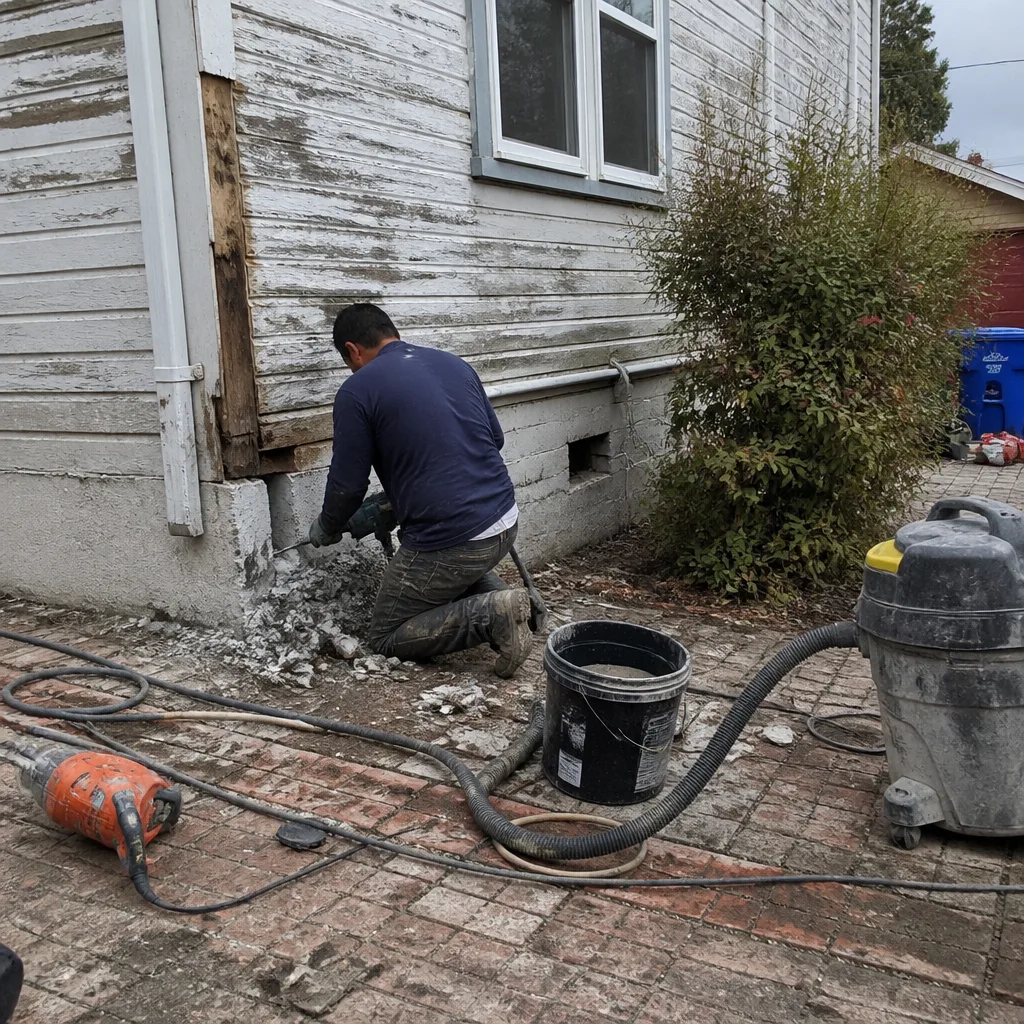 Before
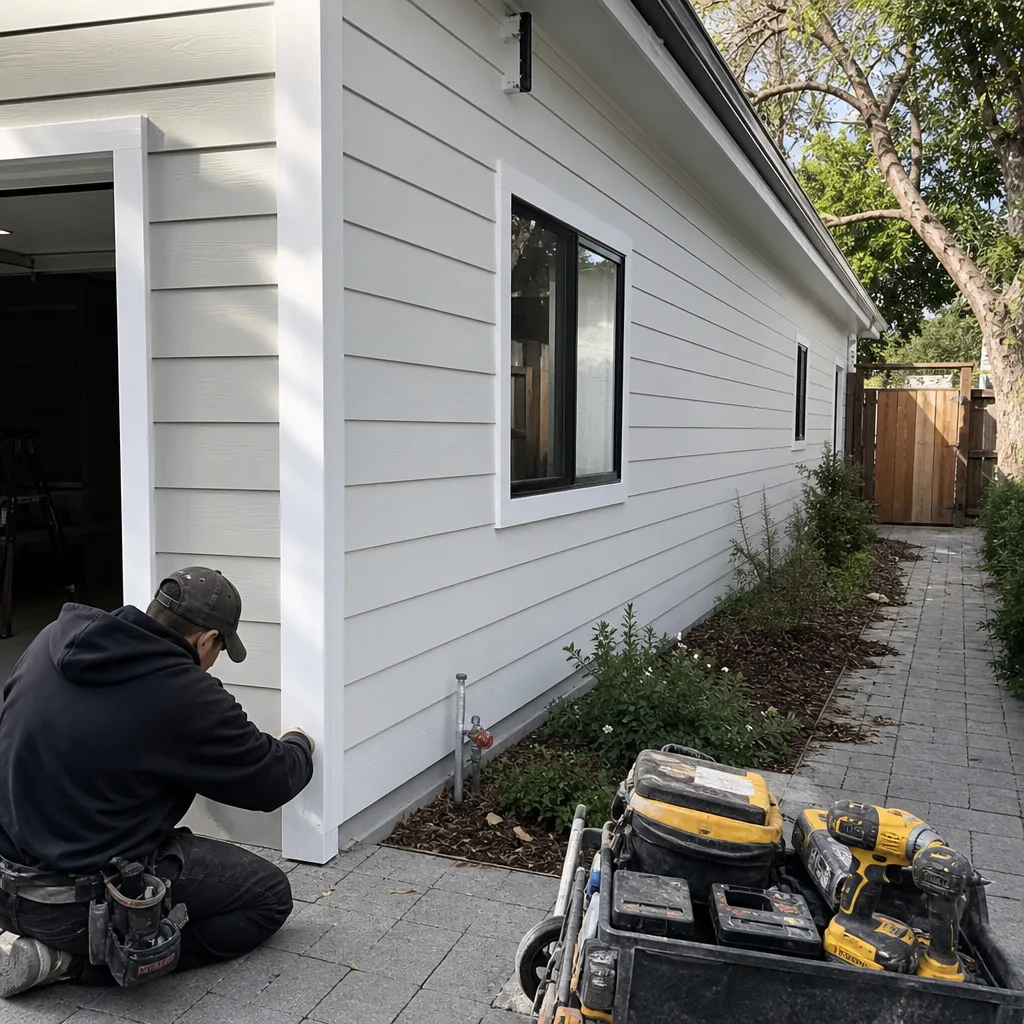 After
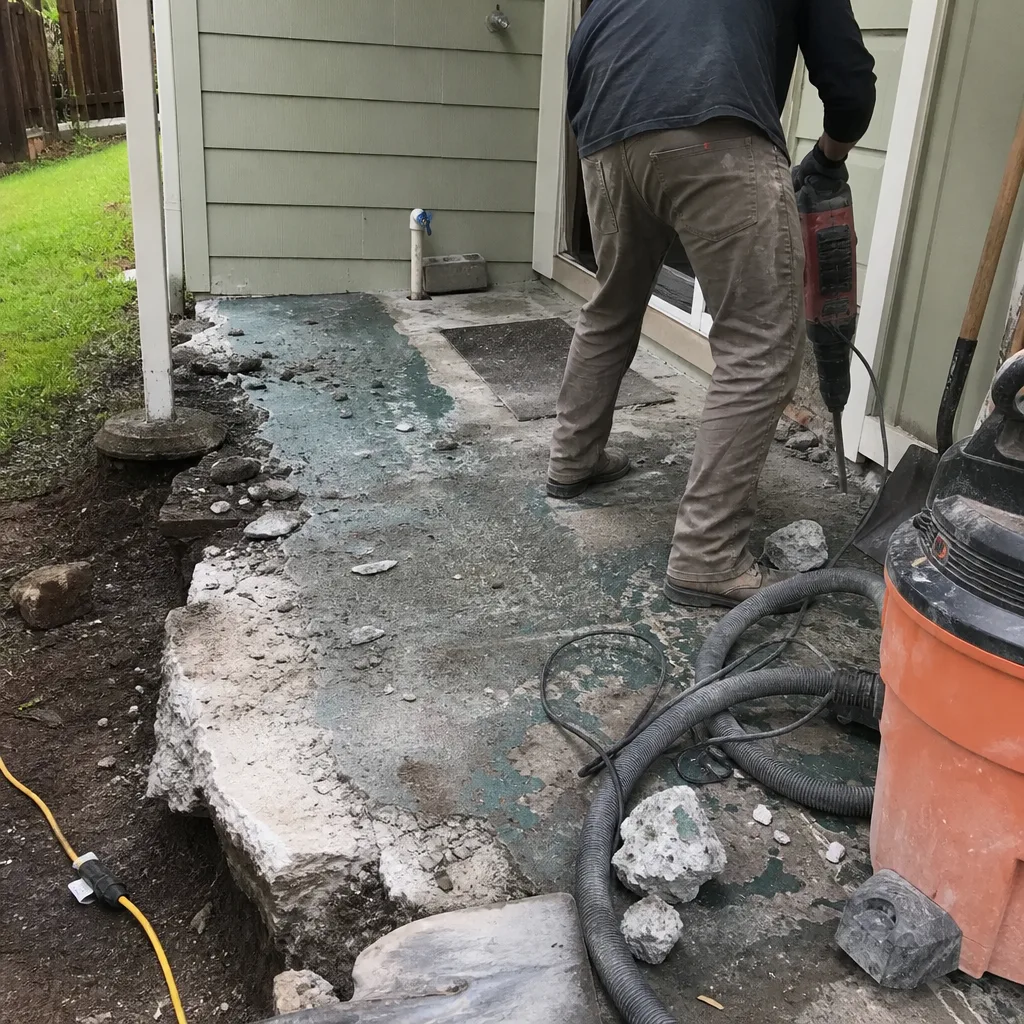 Before
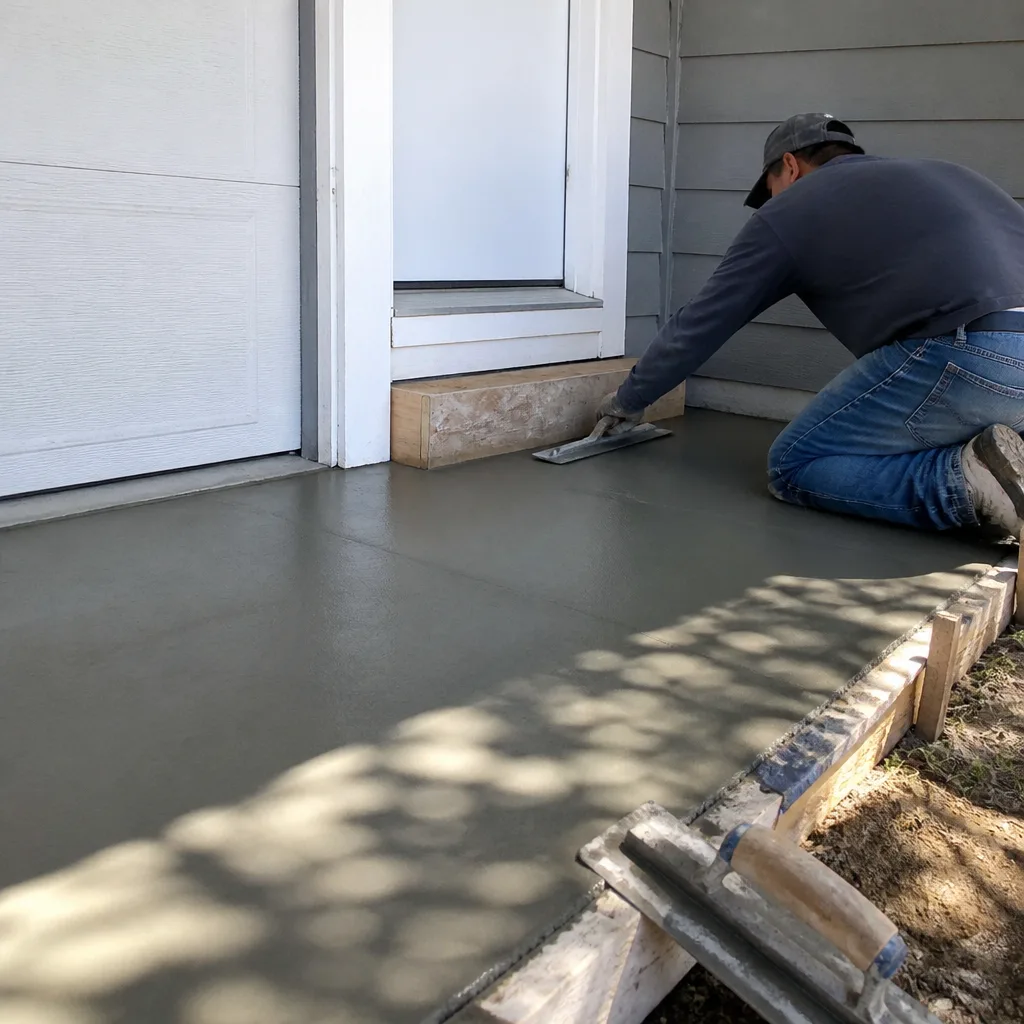 After
 Before
 After