

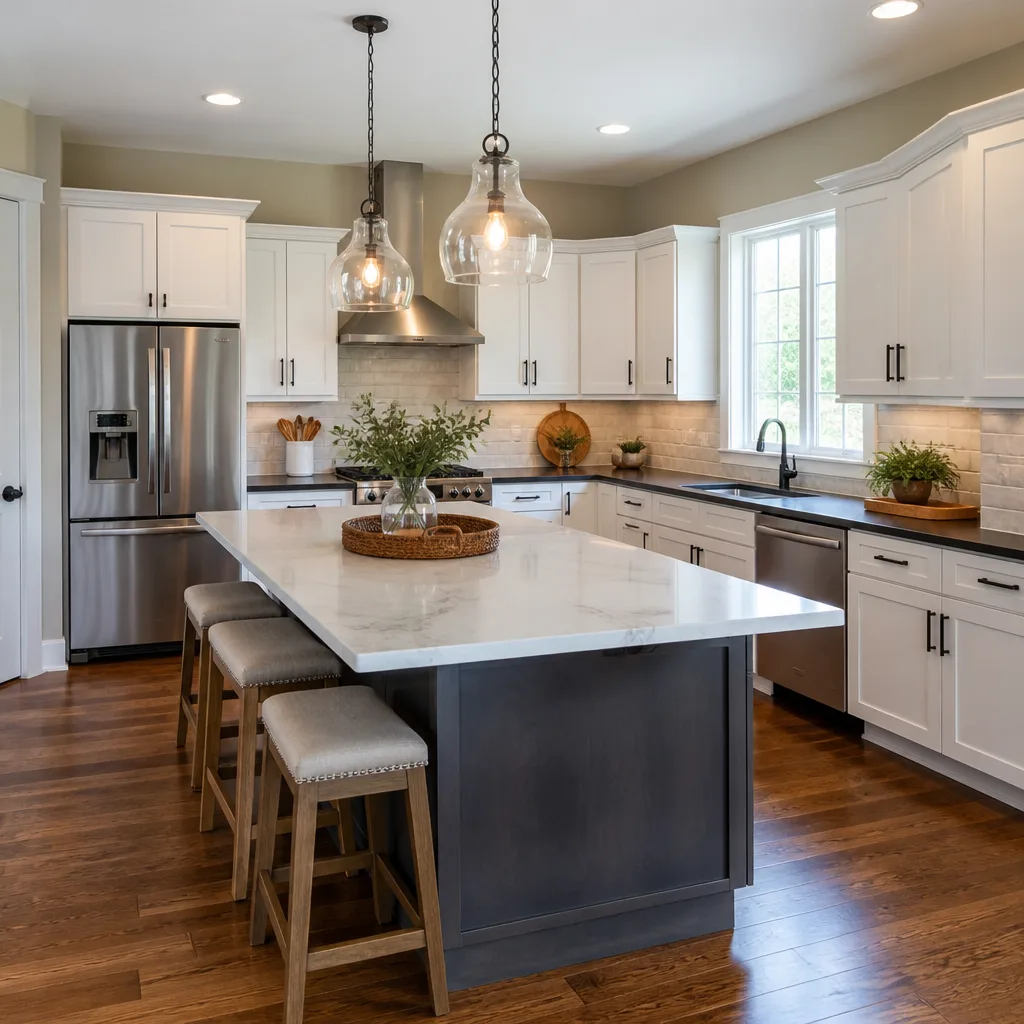
 Kitchen remodeling
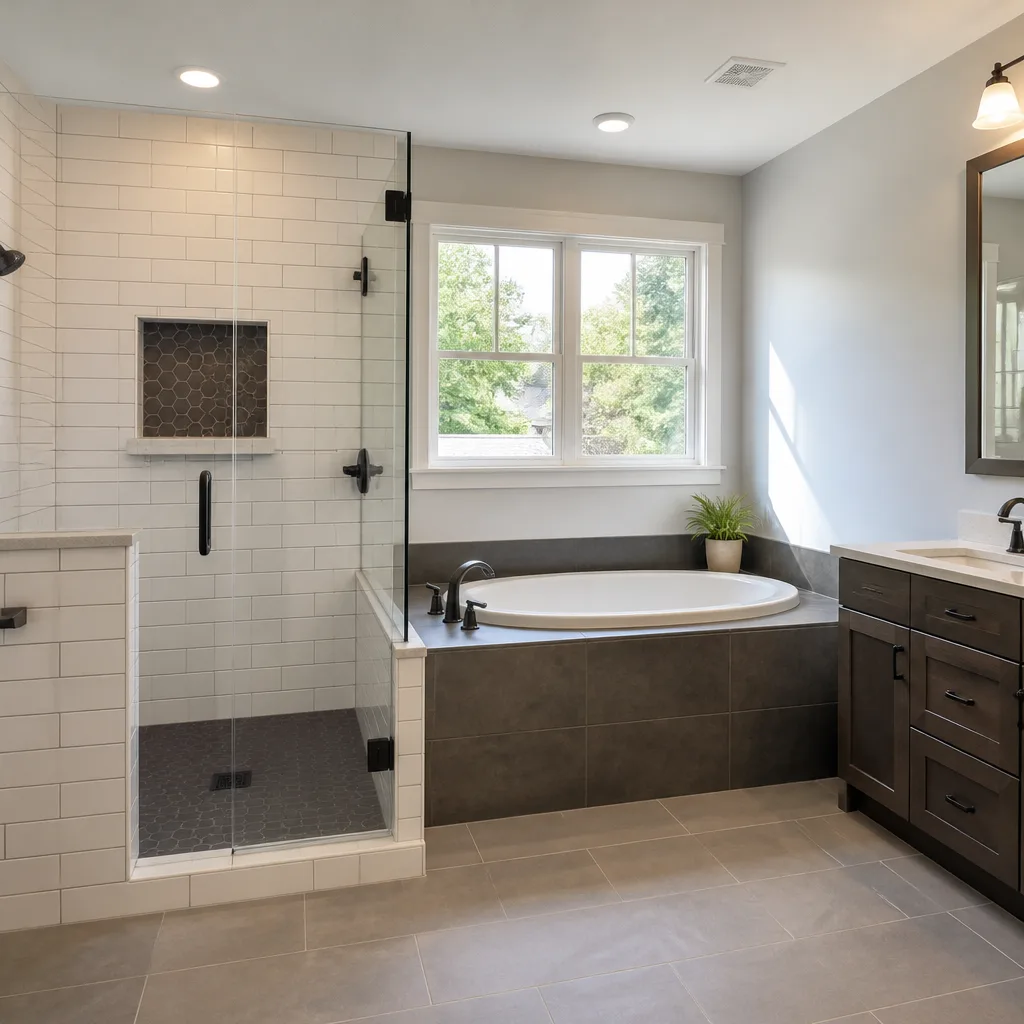 Bathroom remodeling
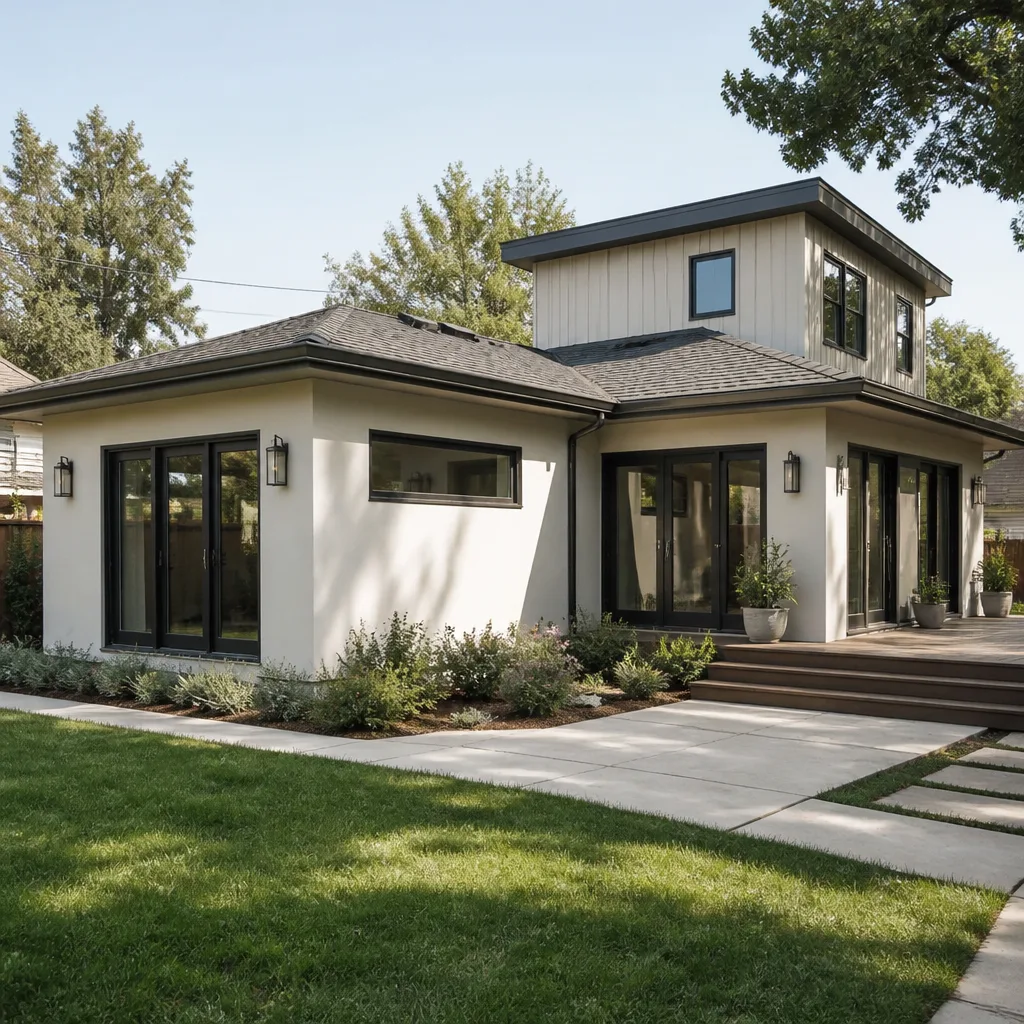 Home additions & ADU
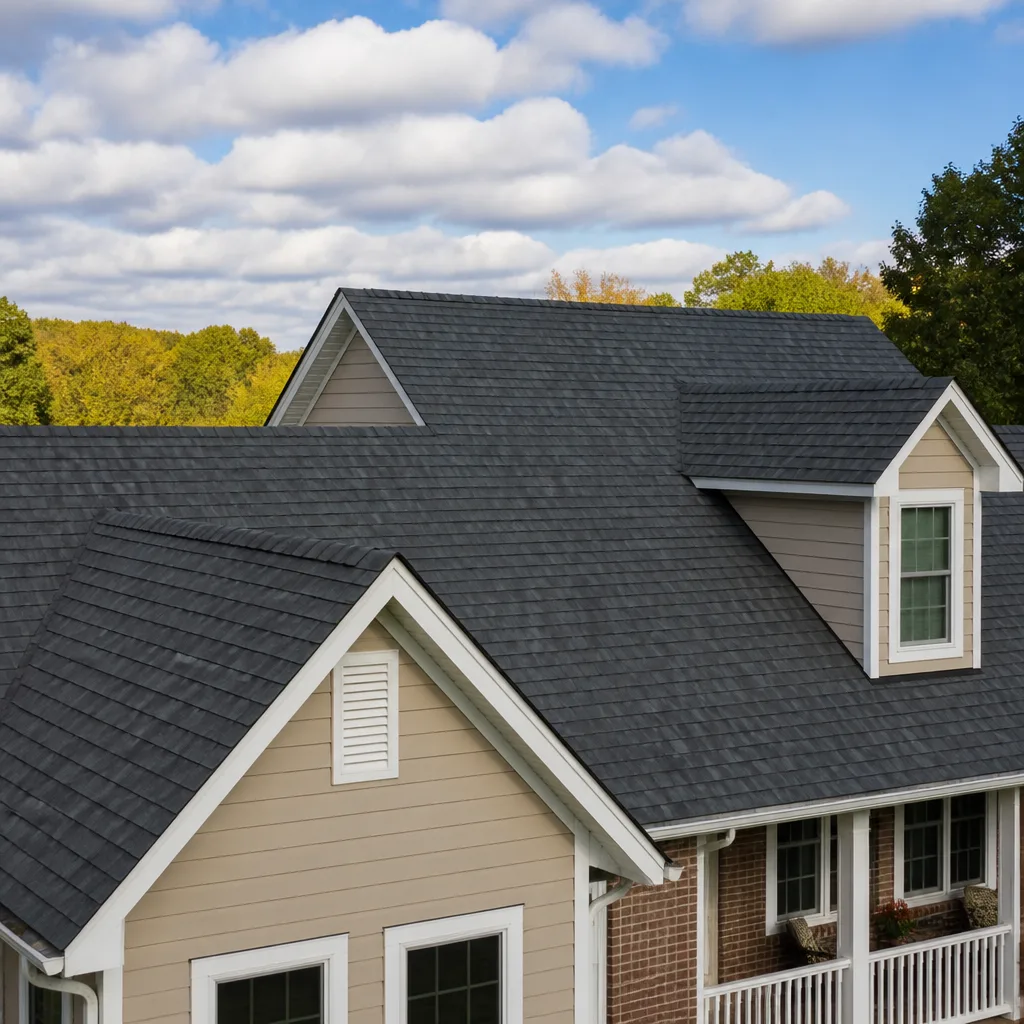 Roofing
 Windows & doors
 Driveway & pavers
 Fence
Free written scope consultation - allowances, timeline, and change-order rules on paper before a single trade is scheduled
Dvele Construction in Highland, CA | San Mateo Construction
We provide independent Dvele construction service across Highland, from panel seam re-detailing to full reroofs and additions. The one thing that makes our Dvele work here different is Chapter 7A: Highland sits in a high-fire-severity zone at the base of the San Bernardino Mountains, so any Dvele shell that wasn’t upgraded for ember resistance and Class A roofing will fail permit review on foothill lots—unlike Dvele in San Bernardino on flatter ground. We know exactly what Highland’s fire-hardening reviewers look for, and we document it from the first submittal. Call (855) 901-7266 to get your Dvele project checked against local requirements.
Need the short version? Dvele construction in Highland usually means one of three things: repairing factory panel seams that opened up after hot summers and Santa Ana winds, bringing roof and eave detailing up to Chapter 7A standards, or adding onto a Dvele shell that was never sited for Highland’s older ranch-lot foundations—similar to Dvele repair in Muscoy where wind exposure drives the same seam failures. We handle all three, and we’re not manufacturer-affiliated, so the advice you get is based on what actually holds up here, not on protecting a factory warranty.
Key takeaways:
- We’re an independent Dvele service provider, not authorized or affiliated with Dvele.
- Highland’s Chapter 7A fire zone changes what your Dvele roof, vents, and envelope need, and most factory-shipped assemblies don’t meet it out of the box.
- We match Dvele factory components with OEM-equivalent or better parts rated for Highland’s wind and fire exposure.
- Free estimates. Written line-item quotes. Call (855) 901-7266.
Why Highland Residents Choose Us for Dvele Service
We’ve spent years working on Dvele’s panelized and modular assemblies across the Inland Empire, so we know how the factory shells actually behave once they’re sited on Highland’s fire-hardened foothill lots. The marriage lines, flashing, and envelope details that look fine on a factory floor get tested hard here. Dry Santa Ana winds work seam flashing loose. Summer heat cycles crack factory caulk. And Chapter 7A review demands documentation most generic installers never prepared.
Noel Carrington, our owner, grew up helping his father pour concrete footings in San Mateo and went on to study construction technology at Skyline College before spending three decades on residential and light commercial jobs. He runs our crews the way he’d want a contractor on his own house: direct about what’s wrong, specific about what it takes to fix it, and honest about repair-versus-replace. When a Dvele panel seam can be re-detailed, we say so. When the core is moisture-compromised and replacement is the only defensible call, we say that too.
We’re not trying to sell you a brand. We’re trying to make your existing Dvele investment work in a climate the factory spec never accounted for. Dvele sales & service work of this depth isn’t something every Highland contractor can offer, and it’s why homeowners and agents call us when a Dvele home needs real attention.
Styles & brands we work with
Common Dvele Construction Problems We Solve in Highland
- Panel seam and flashing failures at the marriage line. Factory-sealed joints dry out and crack under Highland’s hot inland summers and dry Santa Ana winds. Once that seal breaks, ember-laden air and wind-driven rain get into the envelope. We re-detail the seams with corrosion-rated stainless fasteners and sealants that actually survive this wind exposure.
- Roof-to-wall and eave detailing that fails Chapter 7A. Dvele ships to a generic spec. Highland’s high-fire-severity review requires Class A assembly documentation, ember-resistant vent screening, and noncombustible edge closure. Missing any of those three means the permit stalls, usually at final inspection. We bring the documentation current before the first submittal.
- Foundation and set-block settling on older ranch lots. Much of Highland’s stock is mid-century ranch and post-war tract homes where the slabs weren’t engineered for a stiff factory module’s point loads. Settling produces uneven panel gaps that mimic structural failure. We assess the actual condition and correct the drainage or support that’s causing the movement, not just the cosmetic gap.
- Exterior finish and siding weathering. Factory paint and caulk lines break down fast on south- and west-facing elevations in Highland. The sun here is unrelenting, and wind-driven grit accelerates it. We reprep and recoat with products rated for high-UV inland climates, and replace siding boards or panel sections where the substrate has started to fail.
- Addition tie-ins to existing Highland homes. Older single-pane glazing and undersized electrical panels in the original house complicate any Dvele addition. You can’t add a factory-modern second unit to a 60-amp panel and expect it to pass. We scope the full system upgrade as part of the addition, so you’re not surprised by a failed inspection later.
Dvele Service in Highland: What Local Conditions Mean for Your Equipment
Highland’s foothill lots near the national forest boundary routinely require fire-hardening permits for roof and deck work – ember-resistant vents and noncombustible fencing – that the flatlands of San Bernardino never trigger, though Dvele in Redlands faces its own wind-driven seam challenges on different terrain. Any Dvele reroof or addition on those lots has to be documented against Chapter 7A from the first submittal, not patched in at final inspection. The building department reviews the whole assembly: roof covering class, edge closure, vent screens, decking, and the zone between the ground and the underside of the structure. On a Dvele shell, that means the factory roof cassette and eave details get the same scrutiny as the site-built portions, and if the factory documentation doesn’t match the requirements, the permit stops dead.
We saw exactly this on a foothill lot off the forest boundary in the 92346. A Dvele home’s factory roof cassette edge closure and standard vent screens had never been upgraded for Chapter 7A, and the dry Santa Ana wind had already worked the seam flashing loose. We re-detailed the roof-to-wall flashing, swapped in ember-resistant vent screening, and brought the Class A assembly documentation into the fire-hardening permit package so the reroof and a small addition could pass inspection together. That’s the kind of specificity you only get from someone who’s done the work on Highland’s foothill side, not from a flatland contractor who’s never pulled a fire-hardening permit. If your Dvele home sits anywhere near the national forest boundary, plan for this review before you plan for paint colors.
Dvele Models & Products We Service in Highland
We work on the full Dvele lineup: the self-powered modular home with the solar and battery-integrated shell, the panelized wall and roof cassette system, the prefabricated ADU package, and modular addition or second-unit shells. Each one has different seam geometry and flashing details, and each one ages differently under Highland’s sun and wind load.
On the parts side, we match Dvele’s factory panel and flashing components with OEM-equivalent or better where the original spec can’t survive Highland’s conditions. Ember-resistant vent screens replace the standard mesh. Corrosion-rated stainless fasteners replace shipped hardware that won’t hold through repeated wind cycles. We don’t stock every Dvele component locally, but we keep the common failure-point materials on hand for fast Highland turnaround, and anything we don’t carry gets ordered the day we inspect your job.
We’re honest about repair-versus-replace. A seam or flashing can usually be re-detailed. Once a panel core or roof cassette has moisture intrusion, replacement is the only call that protects the rest of the structure. We’ll tell you which one you’re looking at, with photos and a written quote.
See the difference
 Before
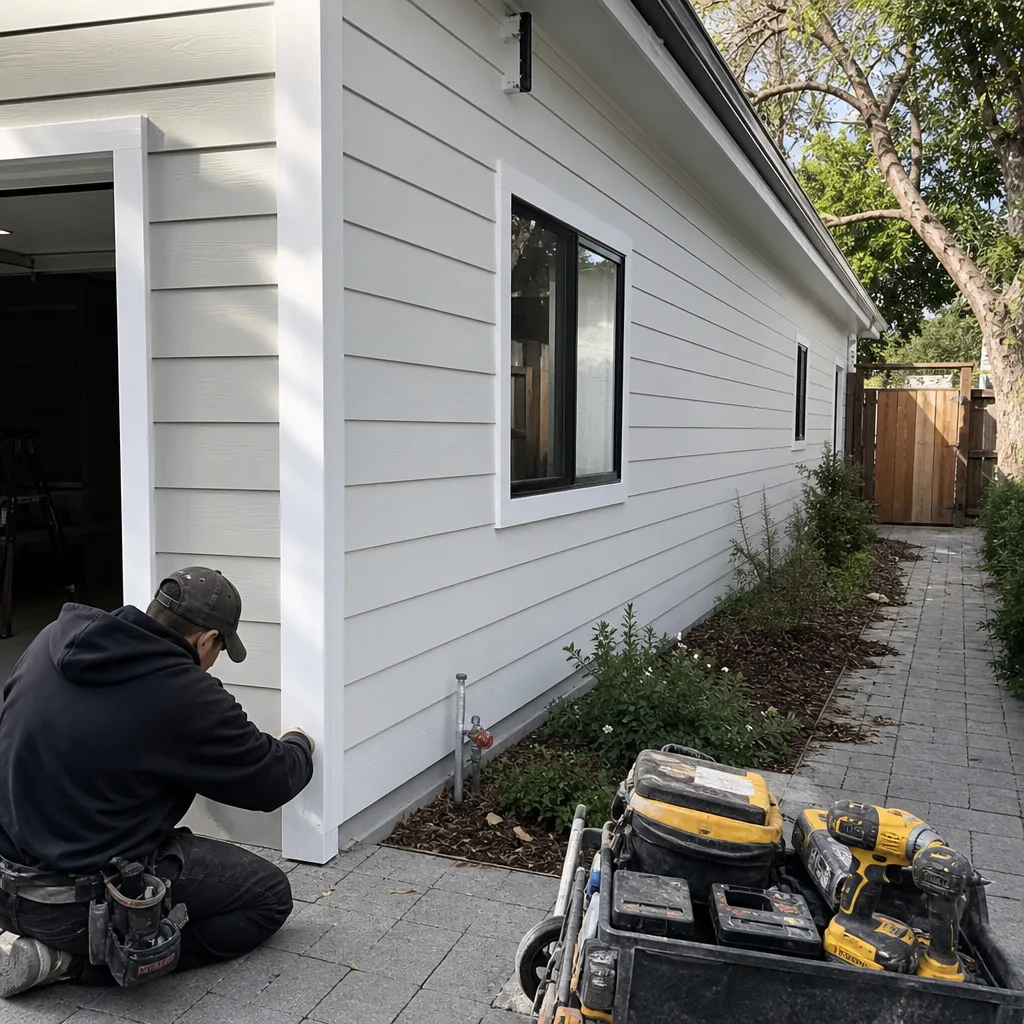 After
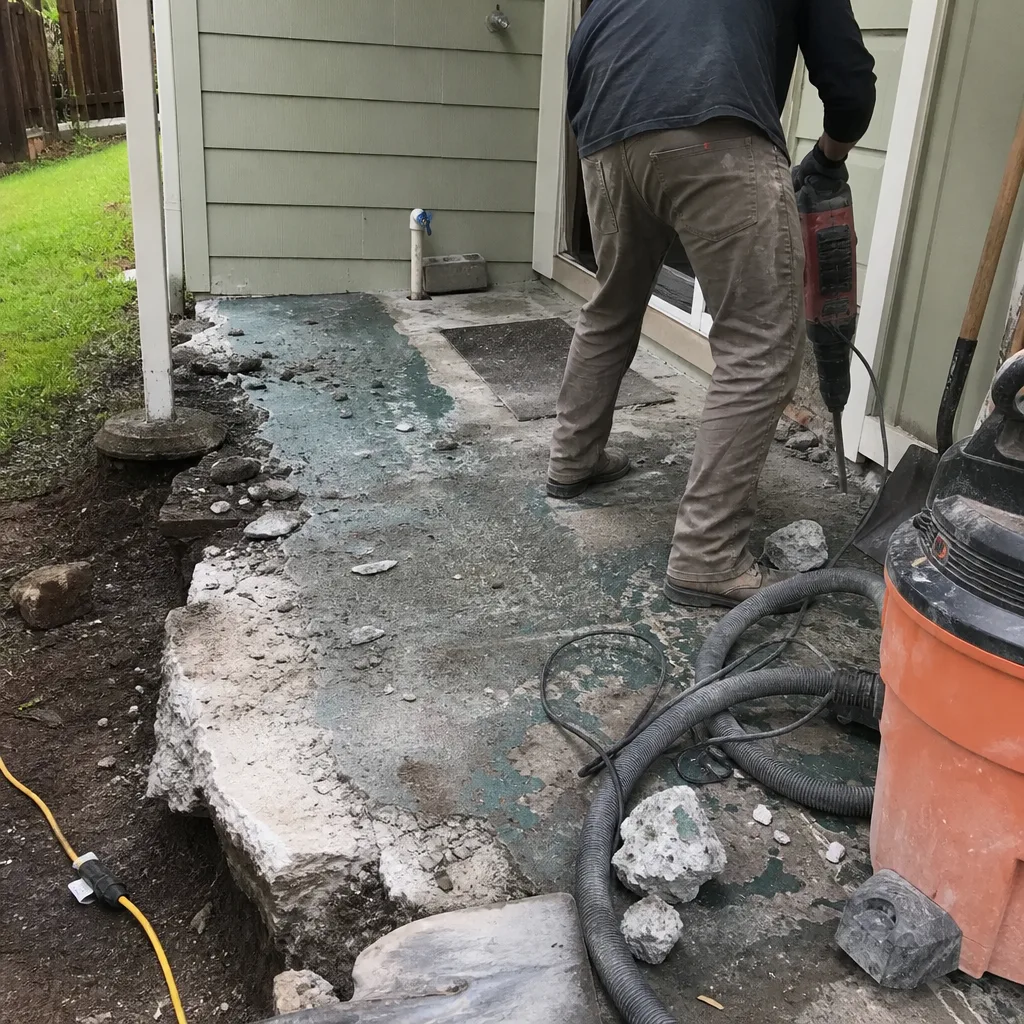 Before
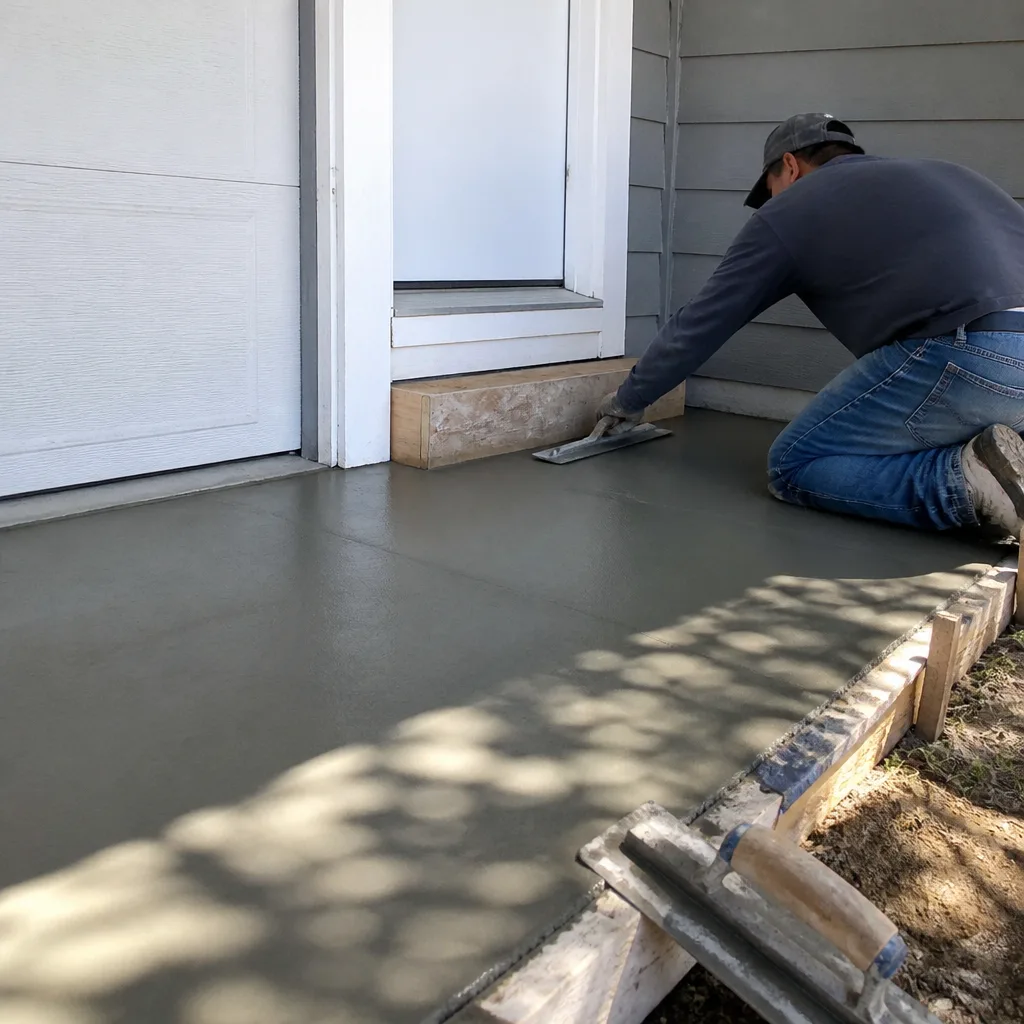 After
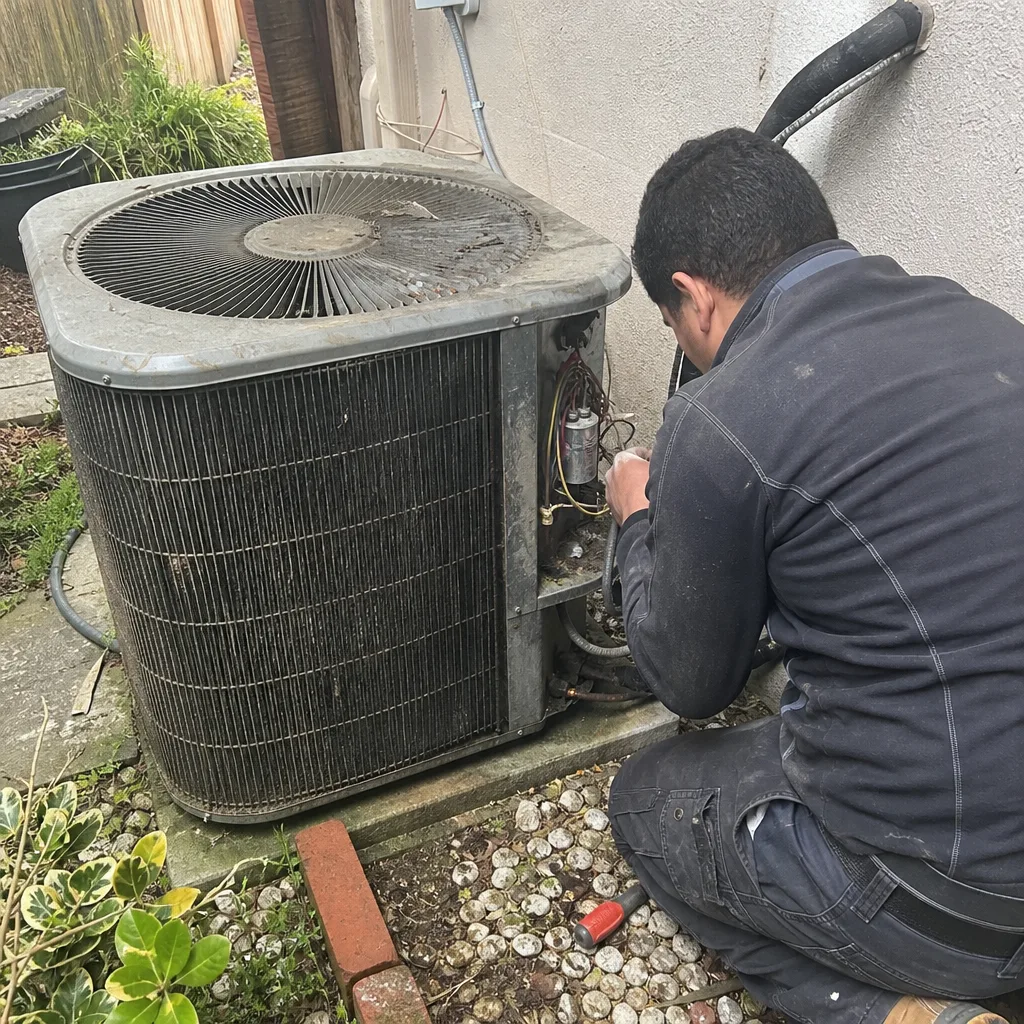 Before
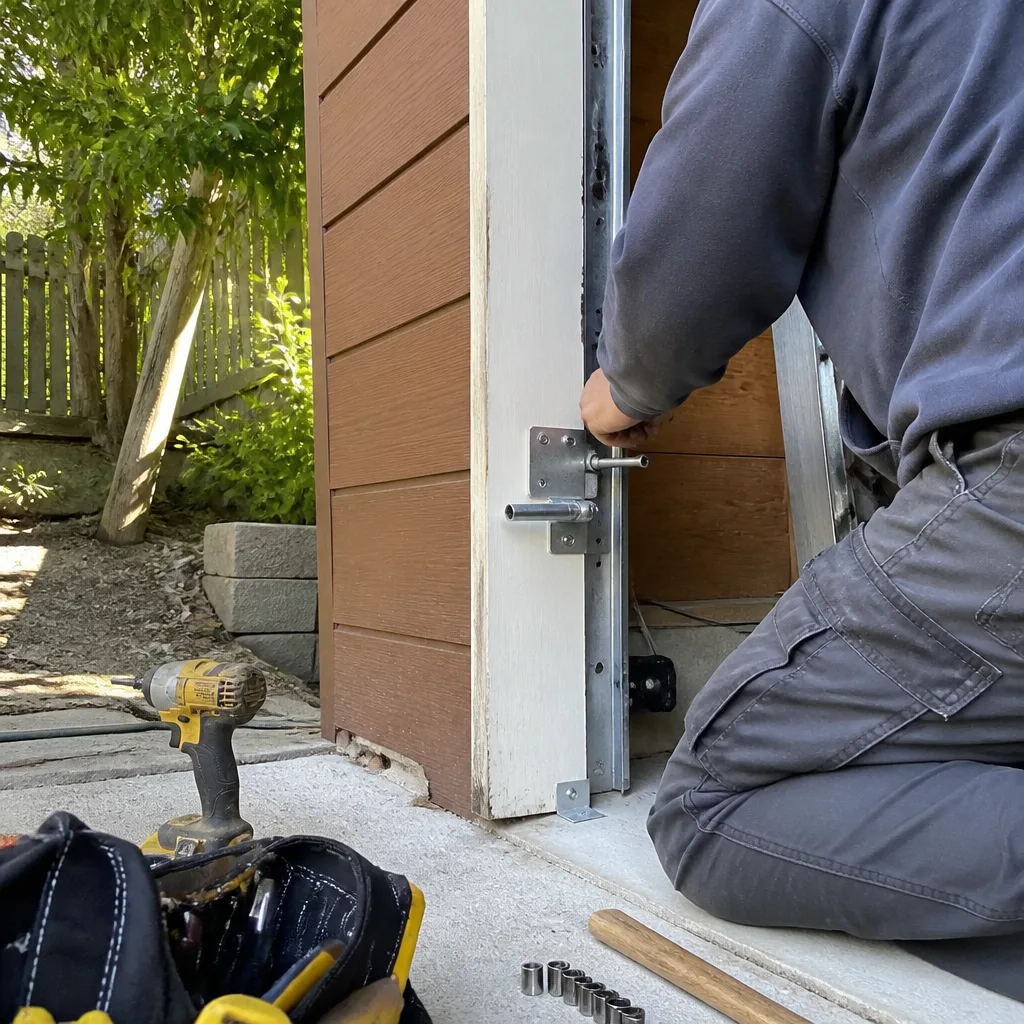 After
Dvele Service Pricing in Highland
Here’s what Dvele-related construction typically runs in Highland. These are working ranges for planning, not a bid. Your exact scope depends on the condition of your shell, the permit path (flatland versus Chapter 7A foothill), and the age of the existing house you’re tying into.
| Service | Typical Highland Range |
|---|---|
| Roof Replacement | $8,000 – $20,000 |
| Roof Repair | $400 – $1,800 |
| Metal Roof Installation | $15,000 – $40,000 |
| Home Addition | $45,000 – $130,000 |
| ADU Construction | $90,000 – $220,000 |
| Impact Window Installation | $8,000 – $25,000 |
What drives Dvele costs in Highland specifically: whether you’re on a foothill lot that triggers Chapter 7A documentation, whether the existing home’s panel and glazing need upgrading to support an addition, and whether we’re re-detailing seams or replacing compromised panel cores. A free estimate from us includes a written scope with line items, so you know exactly what you’re paying for and why. Call (855) 901-7266 to schedule yours.
Serving Highland, CA — Our Local Coverage Area
We’re based in the Highland area and know this community well. Use the map below to see our service coverage — if you’re nearby, we can almost certainly help.
FAQs – Dvele Construction in Highland
Yes, in most foothill cases. The factory roof cassette edge closure, eave detailing, and vent screens Dvele ships are built to a general California spec, not specifically to Chapter 7A, which is why Dvele service in Loma Linda also has to address the same upgrade gap for foothill-adjacent lots. Highland’s high-fire-severity review requires Class A assembly documentation, ember-resistant vent screens, and noncombustible edge closure. If those aren’t already on your home, the county will flag them the moment you pull a permit for any roof or addition work. We handle that upgrade as part of the project scope. Call (855) 901-7266 if you want us to check your specific lot against Chapter 7A before you file.
Yes, in most cases. When factory-sealed joints crack from heat cycling and wind flex, the seam can usually be re-detailed: clean out the failed sealant, reset the flashing with corrosion-rated stainless fasteners, and apply a sealant rated for high-UV inland climates. The bigger question is whether moisture already got behind the panel. We inspect for that before quoting, because if the panel core is compromised, re-sealing the surface just traps the problem inside. Call (855) 901-7266 to have us assess the seams on your Dvele home.
Yes, both matter for permit approval. Highland’s post-war tract and mid-century ranch homes often have undersized electrical panels and original single-pane windows. A Dvele addition increases load and changes the thermal envelope, so the county will require panel upgrades and may require glazing upgrades to meet current code. We scope that as part of the addition from the start, so the permit package reflects what will actually pass inspection, not just what you hoped to build. Call (855) 901-7266 for a free estimate that includes the full system picture.
For a Dvele shell on a foothill lot, a Class A assembly is a hard requirement, and the edge closure and vent screening matter as much as the covering itself. Ember-resistant vent screens and noncombustible edge treatment get as much reviewer scrutiny as the roof material. Concrete tile, certain metal profiles, and Class A rated composition shingles all work; what changes is the detailing around the factory cassette edges. We spec the full assembly, not just the surface. Call (855) 901-7266 to talk through what your specific lot requires.
We start by grading and downspout routing. Older Highland slabs were often poured without modern drainage detailing, and winter rains expose the problem fast. For Dvele shells, poor drainage causes set-block settling and panel gaps that look like structural failure. We correct the grade, route water away from the module’s point loads, and repair any slab erosion before we address the cosmetic panel gaps. If you’ve noticed gaps opening seasonally, call (855) 901-7266, and we’ll trace the water first.
Service Areas Near Highland
We serve Highland and the surrounding foothill communities across the 92346. If you’re in Highland service area coverage, we’re local and familiar with the Chapter 7A foothill review process. We also handle Dvele work in Dvele service in Riverside, where flatland conditions differ sharply from what Highland’s foothill lots demand. And for clients further west, Dvele service in El Cerrito Corona covers that side of the Inland Empire. If you’re between markets, call and we’ll tell you straight whether we can help.
Book Your Dvele Service in Highland Today
Tell me what you actually need, and we’ll figure out the right way to build it. If your Dvele shell is failing at the seams, failing Chapter 7A review, or you’re ready to plan an addition, call (855) 901-7266 for a free estimate. We inspect first, quote in writing, and never start work on a Dvele home in Highland without a clear permit path.
Written by Noel Carrington, Owner at San Mateo Construction, serving Highland and the Inland Empire.