
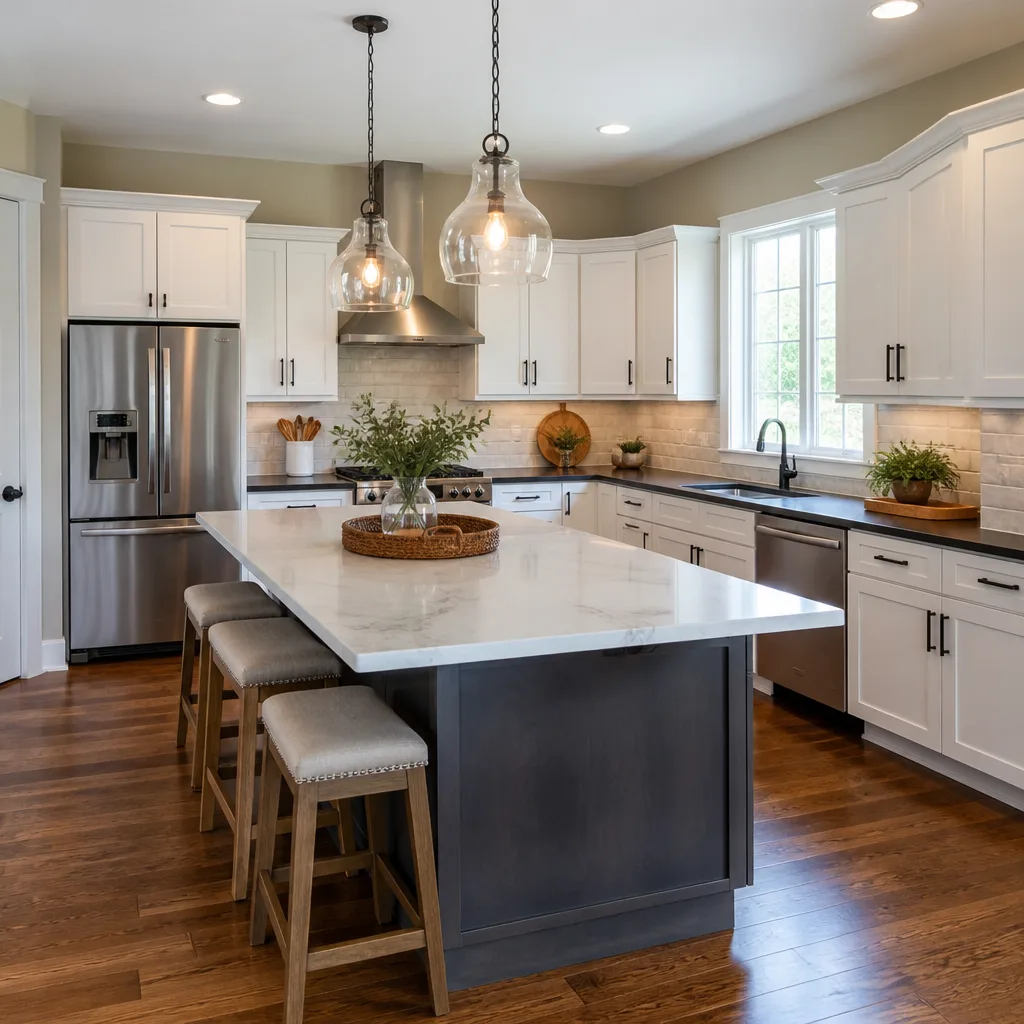
 Kitchen remodeling
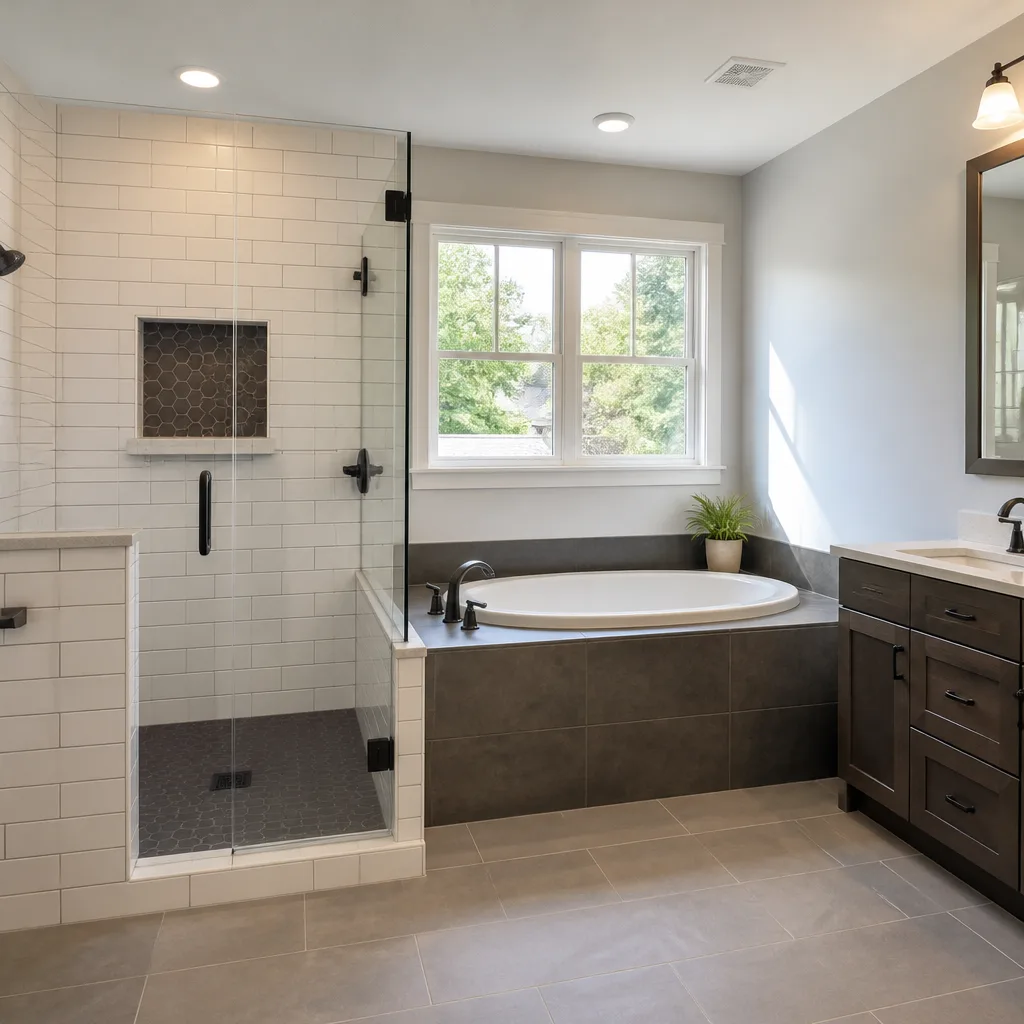 Bathroom remodeling
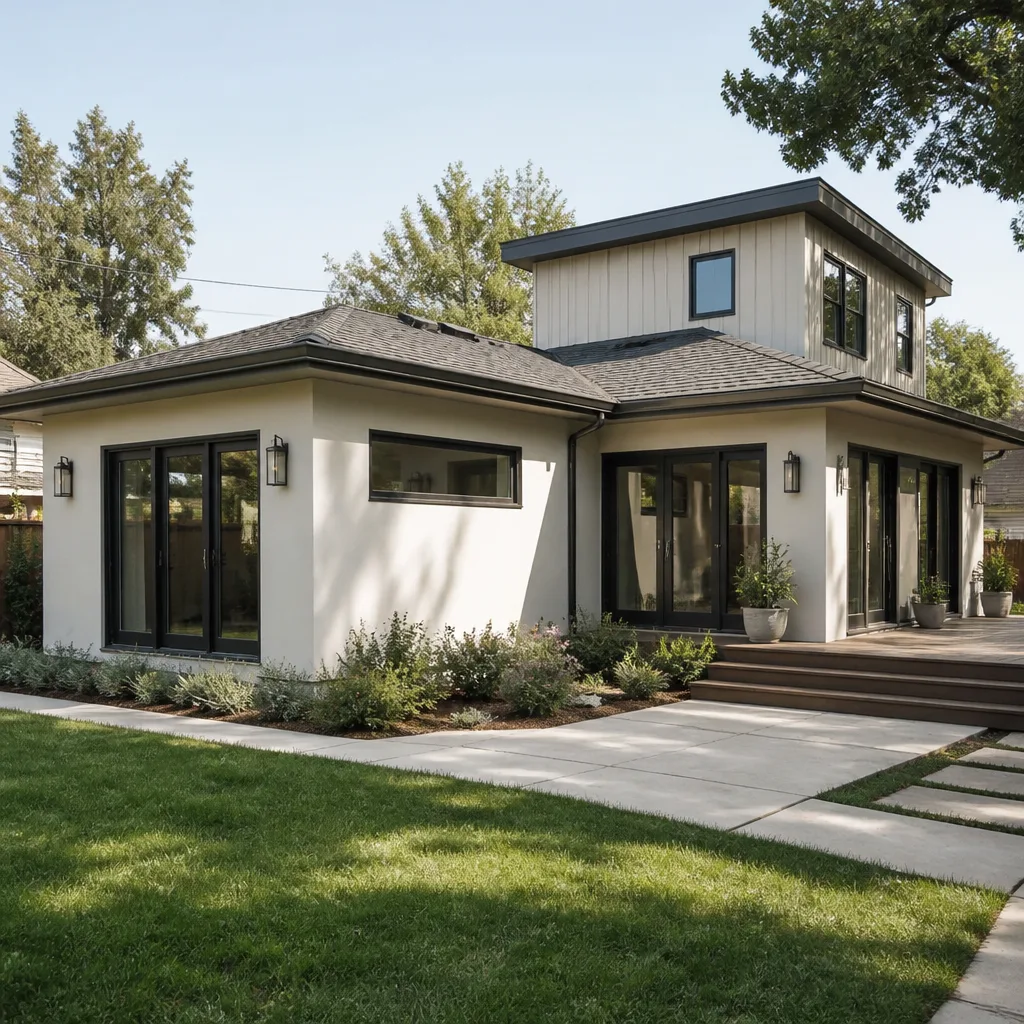 Home additions & ADU
 Roofing
 Windows & doors
 Driveway & pavers
 Fence
Free written scope consultation - allowances, timeline, and change-order rules on paper before a single trade is scheduled
Fast, Reliable Home Remodeling Across Mission District
Home remodeling in Mission District means working with buildings that are often 100 to 140 years old, in a seismic zone, under one of the strictest permitting regimes in California. Most remodels here cost between $9,000 for a small kitchen refresh and $130,000 for a full addition, but the real variable isn’t the finishes, it’s what’s hiding behind the walls. We’ve been doing whole-home work here long enough to know that a Mission District remodel is a code-compliance project as much as a design project. If you’re planning work on a Victorian or Edwardian row house, call (855) 901-7266 and we’ll walk the site with you before you commit to anything.
Noel Carrington leads our Mission District work. He’s the person you’ll see on the walkthrough, and the one who signs off on the structural drawings before they go to the city.
Why San Mateo Construction Is Mission District’s Preferred Home Remodeling Company
Most remodelers in San Francisco will tell you they know the Mission. Few of them have pulled permits for soft-story retrofits on Mission Street between 16th and 24th, then turned around and spec’d Cambria countertops and Kohler fixtures for the same project. That’s the difference. Home Remodeling with us means one general contractor handles the seismic work, the historic review, the finish carpentry, and the final inspection sign-off under one contract.
Mission District homeowners call us because we speak the language of the Department of Building Inspection. We know when a project will trigger the soft-story ordinance, when a historic review is required, and how to sequence the work so the kitchen doesn’t sit torn apart for six weeks while a structural engineer redoes the drawings. Our clients in the Inner Mission, the Valencia corridor, and around Dolores Park have told us the same thing: the permit and inspection process is the part they couldn’t have gotten through alone.
We’re not a franchise operation. When you call (855) 901-7266, you talk to someone who actually works in the field here.
Styles & brands we work with
Luxury Home Remodeling in Mission District
Luxury Home Remodeling in Mission District usually means a high-end kitchen or primary bath inside a building that was never designed for modern plumbing, electrical, or seismic loads. The finish work, things like Silestone or Caesarstone countertops, Grohe fixtures, custom KraftMaid cabinetry, is where the visible money goes. But the part that matters more is the structural engineering behind the tile and stone. In a pre-1906 wood-frame building, a luxury remodel that opens any load-bearing wall has to meet current seismic provisions, which often means a shear-wall upgrade behind the new finishes.
Seismic-Safe Finish Work
We’ve done luxury remodels in the Mission where the structural retrofit cost nearly as much as the cosmetic work. That’s not a surprise to us, and it shouldn’t be to you. A $45,000 Mission District kitchen remodel might include $6,000 to $10,000 of hidden structural framing and hardware that a contractor working in a newer building never has to think about.
High-End Materials, Old-Building Reality
You can have Cambria quartz, a 48-inch Wolf range, and a custom island in a 1908 Edwardian. It works. But the subfloor under that island may need to be rebuilt, and the wall behind the range hood may need shear bracing before the tile goes up. We plan for that from day one, so the permit doesn’t stall and the final inspection actually passes.
Full Home Remodel in Mission District
A Full Home Remodel in Mission District is a different animal from a full remodel anywhere else in the Bay Area. You’re not just redoing floors, kitchens, and baths. You’re dealing with brick foundations that may date to the 1880s, knob-and-tube wiring that’s been spliced for a century, clay sewer laterals that have cracked, and mandatory soft-story provisions that kick in the moment the city sees a structural change on a multi-unit wood-frame building. The job typically runs $45,000 to $130,000 depending on square footage and the structural condition we find once walls are open.
From Foundation to Finish
When we do a full remodel on a two-flat near 24th and Folsom, we’re often replacing the foundation anchorage, the shear walls, the roof sheathing, and the windows before a single cabinet is ordered. James Hardie siding on a converted Victorian can look sharp and actually perform well in the Mission’s fog-free summers and wet winters, but only if the wall behind it has been properly braced.
One Contract, One Inspection Calendar
Noel Carrington manages the whole sequence: the structural engineer, the DBI inspections, the historic review if the exterior is touched, and then the interior finish trades. You don’t chase down a framer who doesn’t talk to the plumber, and you don’t wonder whose insurance covers what. It’s one scope, one contract, one accountable team.
Trusted Brands We Service in Mission District
We stock and install materials from James Hardie, Plant Prefab, and Boxabl for Mission District projects, and we maintain direct accounts with the major cabinet, countertop, plumbing, and roofing manufacturers. That means when a homeowner on Guerrero Street wants a specific James Hardie siding profile for the rear addition, or a Plant Prefab ADU in the backyard of a rent-controlled building on Shotwell, we don’t have to explain why it’ll take three extra weeks to source it. We already know the regional distributors, the lead times, and the correct installation specs for San Francisco’s wind zone. That brand access matters more in the Mission than in most neighborhoods, because the building stock demands products that actually meet the load and exposure requirements the city enforces.
See the difference
 Before
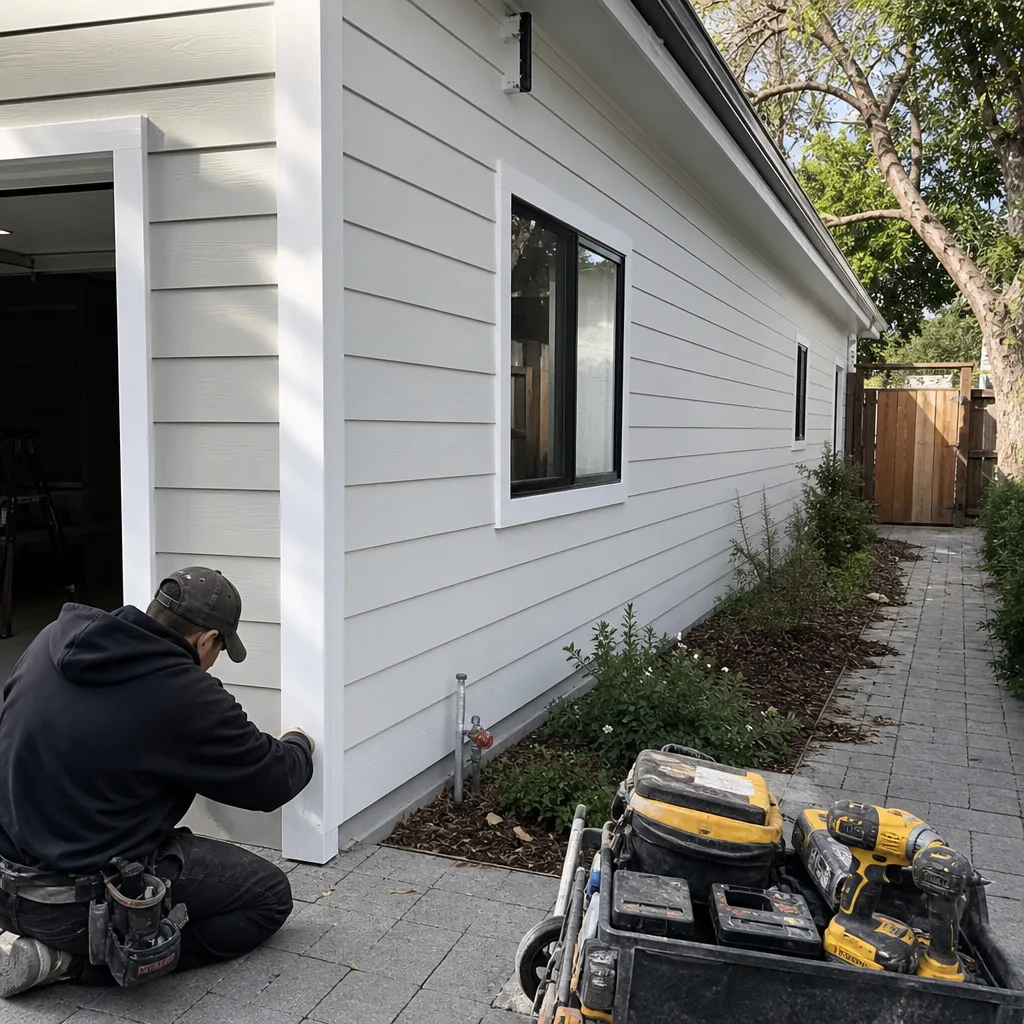 After
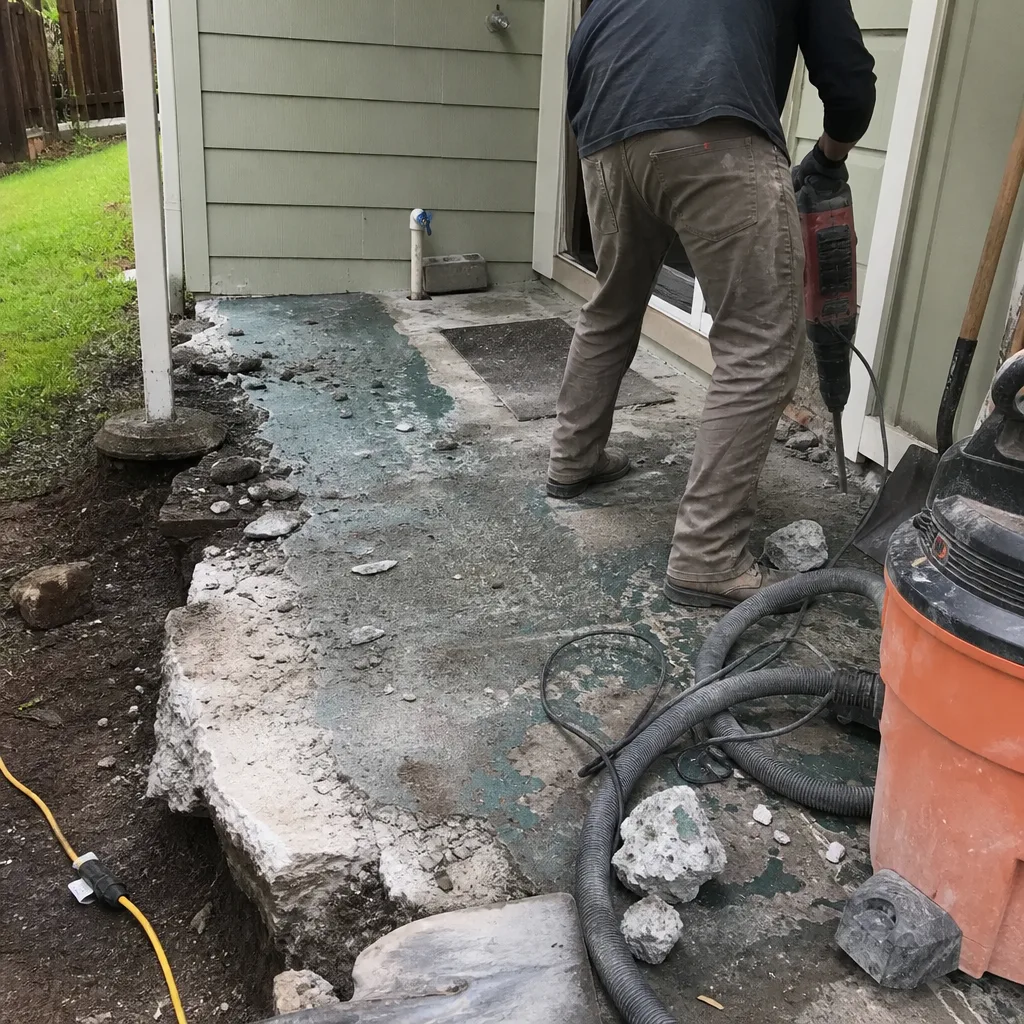 Before
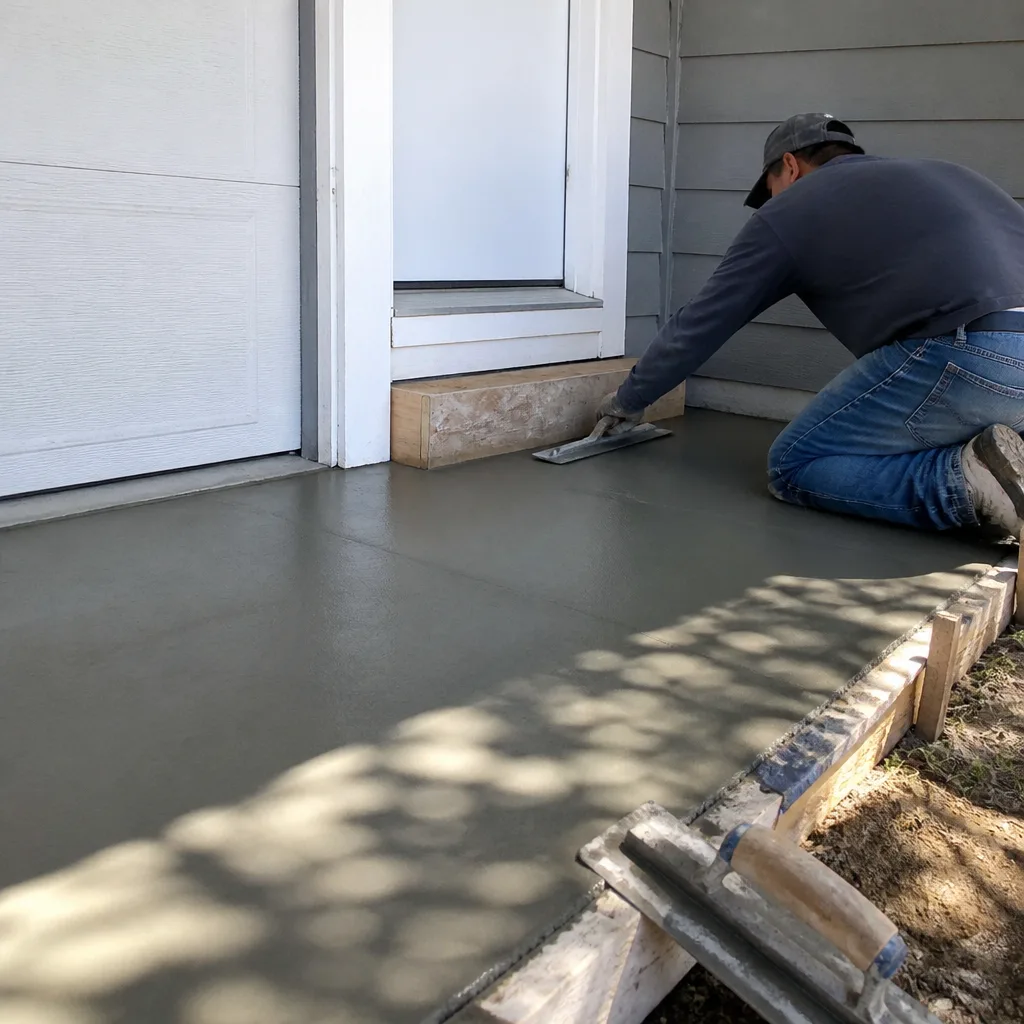 After
 Before
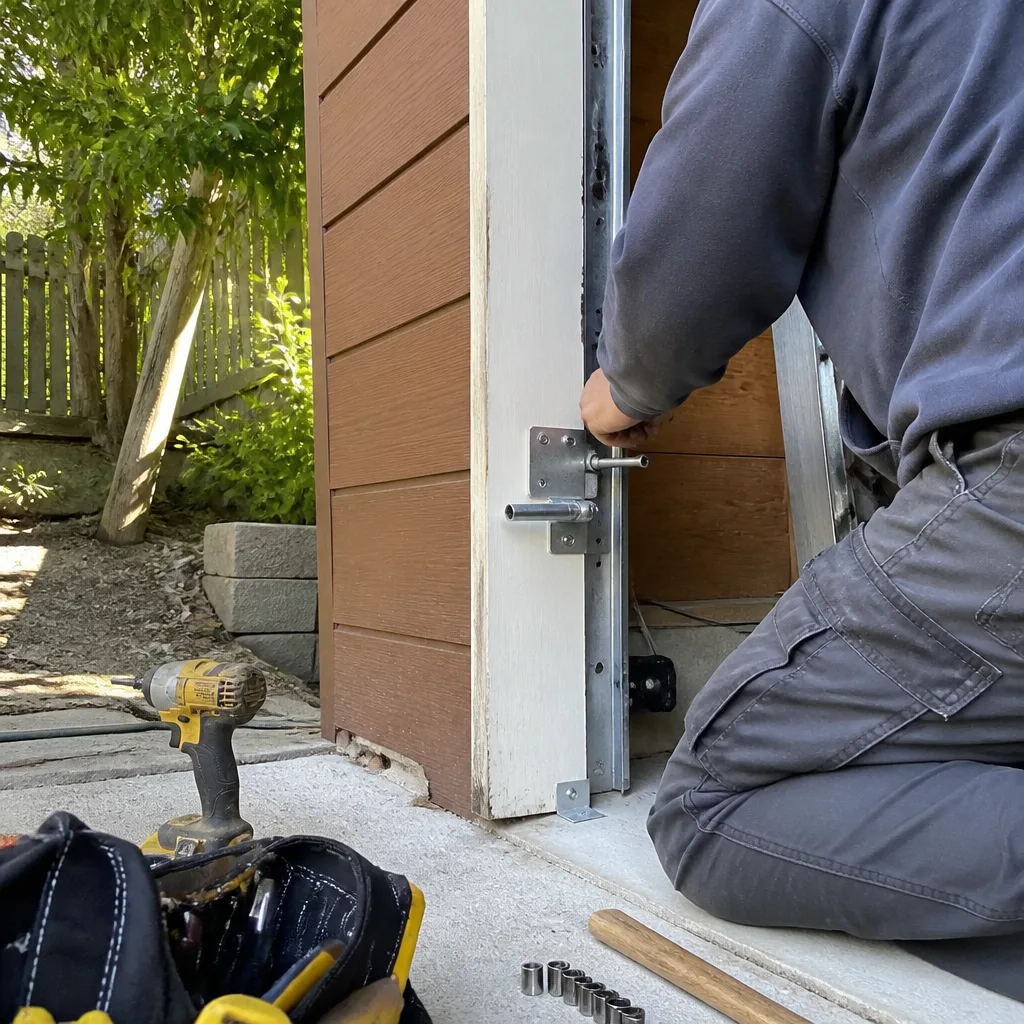 After
Common Home Remodeling Problems We See in Mission District Homes
- Soft-story conditions on ground-floor units. The Mission is full of two- and three-flat wood-frame buildings from the 1890s to 1920s with open storefronts or garage space on the ground floor. Remodeling that floor without a soft-story evaluation is the fastest way to fail a DBI inspection and get a stop-work order.
- Original brick foundations with no anchorage. We routinely find brick foundations with no bolts, no shear transfer, and crumbling mortar once the stucco comes off. The remodel can’t proceed without a retrofit, and the permit has to be amended mid-scope.
- Historic-preservation review triggered by exterior changes. The Mission has more intact Victorians and Edwardians per block than almost anywhere in California. Change a window, a roofline, or the front façade, and you may trigger Article 10 review. We know when that’s coming and we design around it.
- Undocumented or unrated structural hardware. Previous owners and unpermitted handymen have often added headers, posts, or connectors that don’t meet current seismic standards. We strip those out and replace them with engineered Simpson or equivalent hardware that the inspector will actually accept.
Pricing for Home Remodeling in Mission District, CA
Mission District remodeling costs run higher than the suburban average, and the reason is structural. A kitchen remodel that might cost $25,000 in a 1990s tract house can run $35,000 to $45,000 in a 1905 Edwardian on a zero-lot-line street, because the floors aren’t level, the walls aren’t plumb, and the city requires seismic work on any structural change. The numbers below reflect what we see in the 94110 in real bids.
| Project | Typical Mission District Range |
|---|---|
| Kitchen Remodel | $14,000 – $45,000 |
| Bathroom Remodel | $9,000 – $28,000 |
| Home Addition | $45,000 – $130,000 |
| ADU Construction | $90,000 – $220,000 |
| Cabinet Installation | $4,000 – $13,000 |
These ranges include permit fees, DBI inspection calendar management, and structural work where required. A cheaper bid that excludes seismic retrofit, historic review, or compliant hardware will cost more in the end, and may never pass final inspection. Call (855) 901-7266 for a line-item quote. Estimates are free.
We Also Serve Cities Near Mission District
Our crew works throughout Mission District and the surrounding neighborhoods, including San Francisco’s Noe Valley, Visitacion Valley, and Chinatown. We know the permitting offices, the typical building age, and the soil conditions in each area, because we’re in them every week.
Serving Mission District, CA — Our Local Coverage Area
We’re based in the Mission District area and know this community well. Use the map below to see our service coverage — if you’re nearby, we can almost certainly help.
FAQs About Home Remodeling in Mission District
No, not automatically. But if the work opens load-bearing walls, expands an opening, or changes the floor plan in a way that affects the lateral system, the Department of Building Inspection will likely require a seismic evaluation and retrofit of the affected area. In many Mission District Victorians and Edwardians, the original walls are unreinforced masonry or inadequately braced wood framing, so any structural alteration triggers the retrofit requirement. Call (855) 901-7266 and we’ll tell you whether your specific scope will trigger it, before you pull the permit.
New windows and roof modifications in Mission District must meet the wind-load provisions of the current San Francisco Building Code, which is based on the California Building Code with local amendments. For most Mission sites, that means components rated for Exposure B or C conditions depending on the block and building height. We spec PGT or Therma-Tru windows and GAF or Owens Corning roofing with the correct rating for your exact lot, and we include the documentation in the permit package.
Documented compliance means the structural upgrade, the permit, the inspection sign-offs and the engineering calculations all exist on paper. That paper is what your earthquake or homeowners insurance carrier will ask for if you file a claim after a seismic event. On one Victorian row house in the Inner Mission, our retrofit sign-off and kitchen rough-in inspection supported the owner’s earthquake insurance claim after a minor tremor. Without the documentation, the insurer would have had grounds to deny or reduce it.
Because so much of the Mission, especially the 94110 corridor, is made up of pre-1906 Victorians and Edwardians that are either individually listed or found in identifiable historic districts. Any exterior change, and sometimes interior changes that affect character-defining features, can trigger Article 10 or other historic-preservation review. The review isn’t optional, and it can add months if it isn’t started early. We’ve done enough of them to know which changes sail through and which ones get kicked back.
A compliant Mission District quote includes the seismic evaluation, shear-wall and anchor-bolt hardware, engineered drawings, permit fees, DBI inspection scheduling, and the documentation package for your insurance file. A cheap bid usually omits all of that, then requests a change order the week the inspector first walks the site. Call (855) 901-7266 for a free line-item estimate that shows exactly what’s included and what the structural work actually costs.
We’re San Mateo Construction. We’ve watched one too many Mission District remodels get red-tagged halfway through because nobody read the soft-story ordinance. If you want the work done once, done to code, and documented so it holds up with the city and your insurer, call (855) 901-7266 for a free estimate. We’ll bring a flashlight and a moisture meter, and we’ll tell you what your walls are actually hiding.
Written by Noel Carrington, Owner at San Mateo Construction, serving Mission District and greater San Francisco.