
How to Choose the Right Construction Company in San Mateo
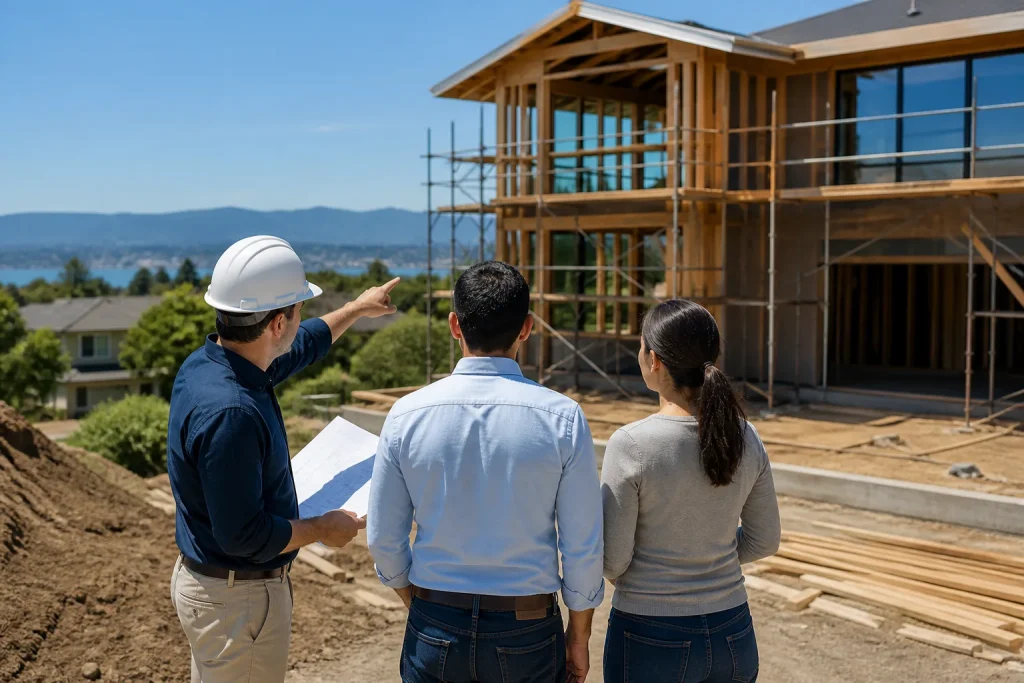
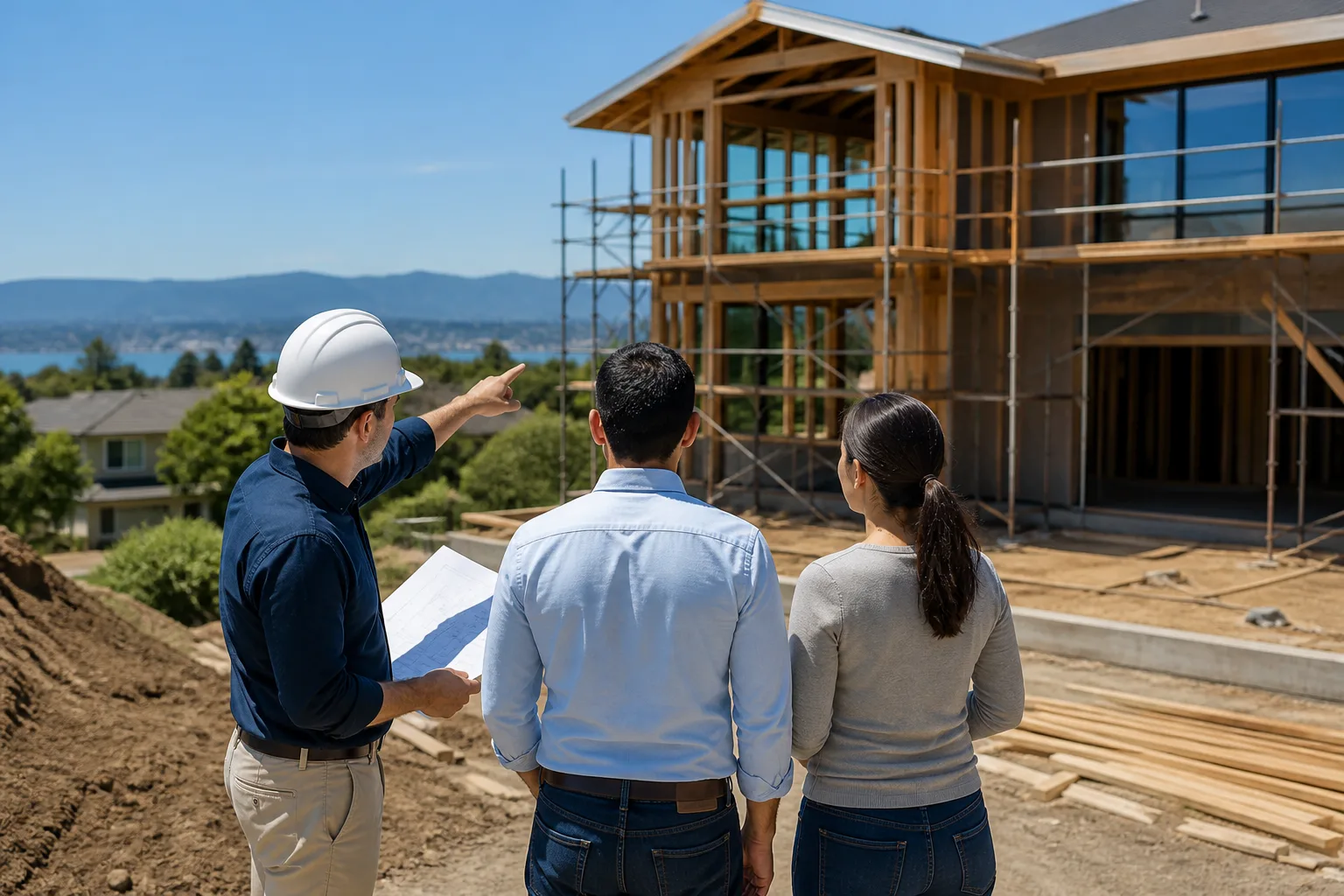
Choosing the right construction company in San Mateo comes down to one factor most homeowners never check: whether the contractor has actually navigated this city’s permit process on projects like yours. That’s it. Generic vetting advice (licenses, insurance, three bids) is table stakes – the real predictor of whether your project finishes on schedule is local experience with San Mateo’s building department, hillside soils, and mid-century housing stock. If you’d rather not spend weeks sorting through contractors, call (855) 901-7266 for a free estimate.
Why San Mateo Is a Different Animal for Construction
San Mateo’s building department has a reputation on the Peninsula for thorough plan checks. We’ve watched projects stall for two months because a contractor didn’t understand what the city would flag. The projects that draw the most scrutiny: soft-story retrofits on older two-story homes, any grading work on hillside lots, and ADU builds. Each has its own documentation trail, and each gets rejected at plan check when the paperwork is thin.
The mid-century homes that dominate neighborhoods like Aragon, Baywood, and San Mateo Park were built under codes that no longer apply. When your contractor opens walls, they’ll find things the permit office wants addressed before work can continue: knob-and-tube remnants, undersized footings, or shear walls that don’t meet current seismic standards. A general contractor who has done 20 projects in San Mateo already has templated responses for these conditions. A contractor from outside the area is learning on your timeline, and that’s expensive.
Soil matters too. Hillside lots in the San Mateo Highlands and near Sugarloaf sit on expansive clay that shifts with rain. Flatland areas near the Bay have their own compaction and drainage issues. Neither is impossible to build on, but both require a contractor who knows what the city’s inspectors will want to see before they sign off on a foundation pour. For more on how this impacts whole-home projects, see our General Contractor in San Mateo page.
What to ask: “How many projects like mine have you permitted in San Mateo in the last two years?” If they hesitate, keep looking.
Look Beyond the License: What Actually Predicts a Smooth Project
Every legitimate contractor in California holds a CSLB license. That’s the floor, not the ceiling. What separates a smooth project from a painful one is the contractor’s ecosystem: the suppliers they can access, the subcontractors they keep, and the process they use to keep trade work from colliding.
Start with brand access. A contractor locked into one cabinet line or one window manufacturer isn’t giving you choice – they’re giving you what their purchasing manager negotiated. Ask to see the brand list. A capable general contractor should be able to offer options within each category: cabinetry (KraftMaid or Wellborn), countertops (Cambria, Silestone, Caesarstone), plumbing (Kohler, Grohe, Toto, or Moen), roofing (GAF, CertainTeed, Owens Corning), windows and doors (PGT or Therma-Tru), siding (James Hardie), hardscape (Belgard, Unilock, Techo-Bloc), and fencing (Master Halco or Ameristar). They should help you weigh premium against value within the same category – Grohe fixtures in the primary bathroom, Delta in the guest bath, for example. That’s a curated selection process, not a sales pitch.
Then ask about subcontractors. The question isn’t “Do you use subs?” – everyone does. The question is whether the same electrical and plumbing subs show up job after job. Consistent subs mean the GC has working relationships, which means the subs prioritize the GC’s schedule and know the GC’s standard of work. Rotating through whoever’s available is how schedules slip and punch lists never close.
We’ve been building our Home Remodeling in San Mateo practice around a stable sub roster and a supplier list north of 50 brands for exactly this reason. It’s not flashy, but it’s what keeps a kitchen remodel from turning into a 10-month saga.
Remodeler, Design-Build Firm, or General Contractor: Which Do You Actually Need?
These three terms get used interchangeably, but they describe different scopes of work.
- Remodeler: Typically focused on interior finish work – kitchens, bathrooms, flooring, paint. They may not carry the licenses or crews for structural, roofing, or exterior scope. Fine for a single-room refresh. The wrong call for anything touching the building envelope.
- Design-build firm: Brings design and construction under one roof. Helpful if you need architectural drawings and don’t have a designer. But design-build shops often subcontract heavily, and you’re paying a premium for the convenience of one invoice.
- General contractor: Licensed to manage the full scope – structural, exterior, interior, and new construction. In California, a general contractor (B license) can self-perform up to two trades and sub out the rest. This is the model that gives a single point of accountability across multiple systems: re-roof, new windows, kitchen remodel, paver driveway, all under one contract.
The deciding factor isn’t the title – it’s the scope of work you’re planning. If your project touches the roofline and the foundation and several rooms between, you need a true general contractor. If it’s a powder room refresh, a competent remodeler is probably enough. For the in-between projects, see our Home Renovation in San Mateo page for more detail on what’s included.
One more thing: ask whether the contractor can also build an ADU. It’s a useful litmus test for capability. ADU construction requires concrete, framing, electrical, plumbing, and often a manufactured component. If a company claims whole-home capability but can’t touch an ADU, their “full scope” claim deserves a harder look. Modern manufacturers like Abodu, Dvele, Plant Prefab, and Boxabl have made prefab ADUs viable in a way they weren’t a decade ago, but you need a GC who knows how to manage that kind of build, not just a stick-built addition.
The Single-Source Contract: What Should Actually Be in Writing
Most contractor horror stories share one root cause: the contract was a signature page with a price and a vague “scope of work” attached. A single-source GC contract should do more than name a price. It should make accountability operational.
Here’s what to look for:
- Defined scope ownership: Who is responsible for what, in writing. If the roof leaks after a re-roof, the contract should make clear that the GC owns the fix, not the roofing sub. If the tile fails around the shower pan, the GC owns that too. One throat to choke, as we say in the trades.
- A named project manager: Not a phone tree. A person with a cell number who can answer questions about sub scheduling and material lead times. Ask for the name before you sign and confirm it’s in the contract.
- A documented escalation process: What happens when something goes wrong. How quickly the GC commits to responding, who you escalate to if the PM can’t resolve it, and what trigger clauses exist for delays or material substitutions.
- Material tier language: If you’ve selected Cambria countertops and Kohler fixtures, those brands should appear in the contract by name. “Owner will select from GC’s standard lines” isn’t a selection – it’s a blank check.
- Permit responsibility: The GC should pull the permits, schedule inspections, and be contractually responsible for closeout. If a contractor asks you to pull the permit as the homeowner, that’s a red flag for liability-shifting in California.
This is where single-source accountability matters most. When the same contractor manages exterior and interior scope – from a GAF roof to a tile shower with Schluter waterproofing – there’s no finger-pointing between trades. The right contract just codifies that.
How San Mateo Construction Approaches a Project
We carry relationships with 50-plus manufacturers across every home system, and that’s deliberate. When a client in Baywood needed exterior siding replacement plus a kitchen remodel under one contract, we specified James Hardie siding, PGT windows, KraftMaid cabinetry, and Cambria counters without juggling three separate vendors. One estimating process, one project schedule, one crew coordinator.
Not every project needs premium everything. That’s why we maintain value tiers within the same categories: Silestone alongside Cambria, Delta alongside Grohe, Owens Corning alongside CertainTeed. We help you choose based on where you see long-term value and where a practical alternative makes more sense. A Boral roof with Tamko underlayment might be exactly right for one San Mateo home, while another budget calls for Atlas shingles and CertainTeed underlayment. The point is having the option.
The ADU piece matters too, especially in San Mateo where detached units and garage conversions both pencil out depending on your lot. We pulled a prefab ADU through plan check for a client near Beresford Park last year, and the manufacturer partnership (Boxabl in that case) cut framing time significantly compared to stick-built. Traditional remodelers often won’t touch that scope. We build it into the same contract as the main house when it makes sense.
For the full picture of what we cover, start at the San Mateo Construction home page. It maps our exterior-to-interior scope honestly, without the brochure language.
When to call a pro: Any of this – permitting, brand selection, sub coordination, contract structure – becomes yours to manage the moment you hire a contractor without local depth. If you’re comparing bids and one number looks dramatically lower than the others, the cost is hiding somewhere: usually in unpermitted work, thinner materials, or a sub crew that changes monthly. That’s the moment to call a licensed general contractor who does this every day.
Related services in San Mateo: Home Remodeling in San Mateo covers kitchen, bath, and whole-home interior work. Home Renovation in San Mateo is for broader scope that touches structure, exterior, and building systems.
The Bottom Line
Choosing the right construction company in San Mateo comes down to three things straight: local permit experience, supplier depth across multiple categories, and a written contract with real accountability built in. San Mateo’s hillside soils, mid-century housing stock, and rigorous plan check process punish contractors who are learning the market on your dime. The right GC should be able to tell you exactly what the city will flag before they ever open a wall, and they should back that confidence with name-brand material options and a stable sub crew.
If you’re planning a remodel, renovation, or ADU in San Mateo and want one contractor from roofline to foundation, San Mateo Construction offers free estimates with honest recommendations on where to spend and where to save. Call (855) 901-7266 and we’ll walk your project together.
Frequently Asked Questions
In San Mateo, a mid-range kitchen remodel typically runs $45,000 – $85,000, a primary bathroom $25,000 – $50,000, and a detached ADU $250,000 – $400,000 depending on site conditions and finish level. Hillside work, seismic retrofitting, and plan check revisions all add cost, which is why a contractor with local permit experience can save you real money. Call (855) 901-7266 for a line-item quote specific to your address.
A kitchen or bathroom remodel in San Mateo usually takes 8 – 14 weeks once permits are issued. Plan check can add 6 – 10 weeks if the drawings aren’t dialed into what the building department expects, which is the single biggest avoidable delay. A local general contractor with templated San Mateo documentation can compress that timeline meaningfully. Call (855) 901-7266 and ask us about current plan check timelines.
Yes, for almost anything beyond cosmetic finish work like paint and countertop replacement. San Mateo requires permits for structural changes, window and door replacement, roofing, electrical panel upgrades, plumbing changes, and all ADU work. Working without a permit carries code violation risk at resale and lets your contractor avoid inspections. A legitimate general contractor pulls permits as standard practice.
Choosing on price alone without checking whether the contractor has actually built the same kind of project in San Mateo. The lowest bid here often comes from a contractor who hasn’t factored in hillside grading, plan check revisions, or the city’s soft-story retrofit requirements. Those costs surface mid-project. A slightly higher bid from a contractor with local depth usually comes out cheaper by the final invoice. Call (855) 901-7266 for an estimate that accounts for all of it upfront.
Written by the team at San Mateo Construction, serving San Mateo since 2018.
Need Construction Help?
Call San Mateo Construction — licensed & insured, here with fast after-hours help in San Mateo.
(855) 901-7266